
Opinion | Don’t expect Russia’s war on Ukraine to end in its fifth year
South China Morning Post
by Nikola MikovicFebruary 26, 2026
AI-Generated Deep Dive Summary
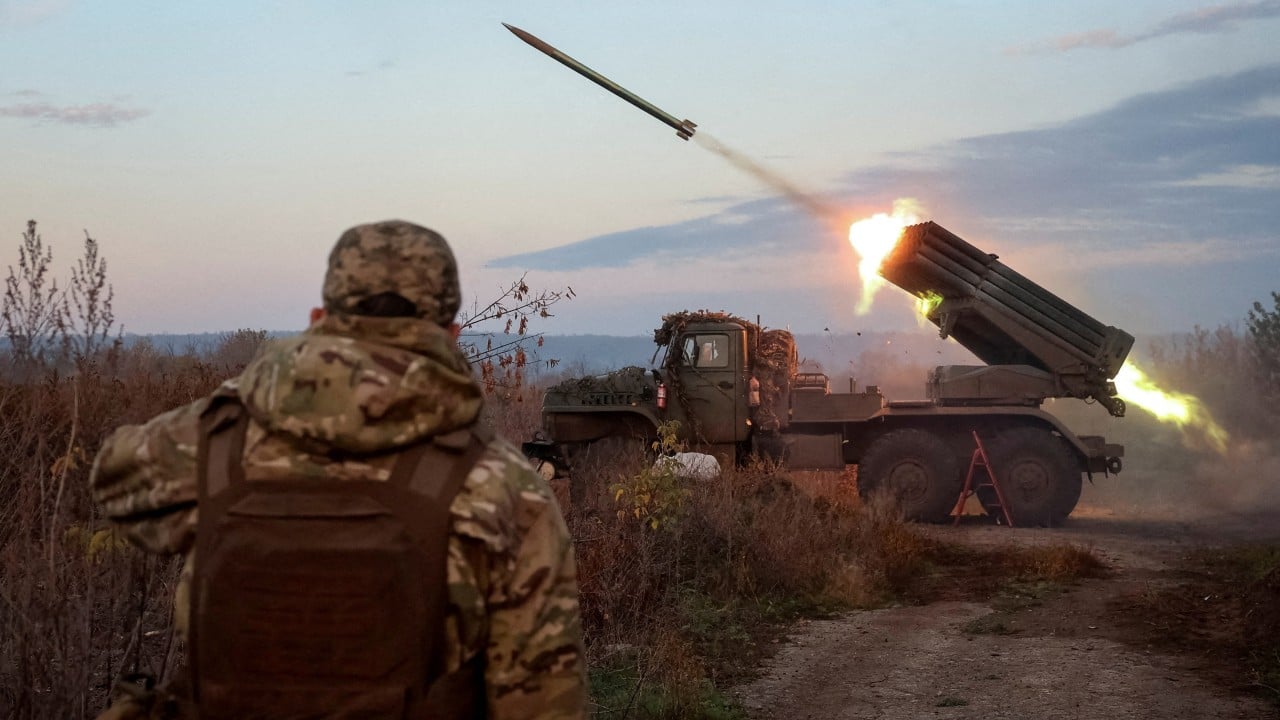
The ongoing conflict between Russia and Ukraine, now entering its fifth year, shows no signs of resolution any time soon. Despite numerous attempts at negotiation and failed peace agreements, both sides remain unwilling to compromise or make moves that could lead to a ceasefire or freeze on fighting. For Russia, ending the war in its favor has proven elusive, with its initial goals—territorial expansion and regime change in Ukraine—failing to materialize. Meanwhile, Ukraine continues to resist Russian demands, backed by Western nations like the EU and the U.S., which supply arms and funding, keeping Kyiv’s resolve strong.
Efforts to broker peace have been hampered by stark divisions. Early negotiations between Russia and Ukraine, facilitated by Belarus and Turkey in 2022, yielded no progress. The Minsk agreements of 2014 and 2015 aimed to pause hostilities in eastern Donbas but only shifted the conflict into a lower-intensity phase until 2022. Russia’s current strategy focuses on a “long-term peace” rather than short-term ceasefires, which it fears would allow Ukraine to regroup and strengthen its military position.
Russia’s prolonged war has turned into an attrition battle, with both sides suffering significant losses. By targeting well-fortified Ukrainian positions in Donbas, Russia is effectively wearing down its own resources while attempting to undermine Ukraine’s ability to counterattack. The Kremlin’s gamble to maintain control over occupied territories like Donetsk and Luhansk has instead prolonged the conflict, further isolating Russia on the global stage and eroding its influence in the post-Soviet region.
Western support for Ukraine remains a critical factor in keeping the conflict alive. Russia worries that any peace agreement or ceasefire could pave the way for foreign military intervention, as seen during NATO’s involvement in Kosovo in 1999. This fear drives Moscow to continue its “special military operation,” now entering its fifth year with no end in sight.
The stalemate matters globally because it underscores the risks of prolonged proxy wars and Great Power competition. As Russia doubles down on its aggressive stance, the conflict has become a protracted test of wills, reminiscent of the Vietnam War for its duration and impact on both sides. For readers tracking global stability, this ongoing impasse highlights the delicate balance of power in Eastern Europe and the potential for further escalation, with no clear resolution on the horizon.
Verticals
worldasia
Originally published on South China Morning Post on 2/26/2026