
Opinion | How India can lead the charge for inclusive AI
South China Morning Post
by Narendra ModiFebruary 25, 2026
AI-Generated Deep Dive Summary
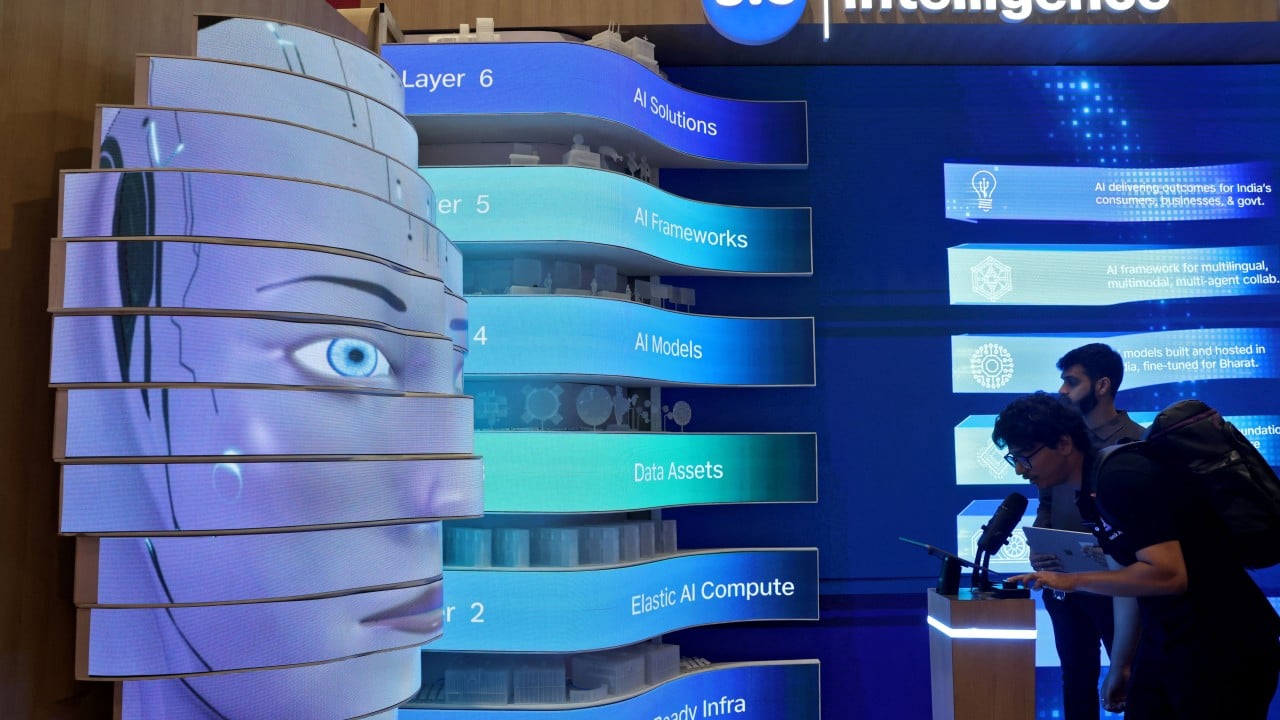
At the AI Impact Summit 2026 in New Delhi, India demonstrated its leadership in shaping an inclusive and human-centric approach to artificial intelligence. The summit, attended by representatives from over 100 nations, highlighted India’s commitment to ensuring that AI benefits everyone, particularly marginalized groups. Innovators showcased groundbreaking technologies, from AI-powered digital assistants like Sarlaben, which empowers dairy farmers, to Bharat VISTAAR, a platform providing critical information to farmers in multiple languages. These examples underscore how AI can be a force for empowerment when designed with inclusivity and accessibility in mind.
India’s focus on democratizing AI is particularly significant given the global conversation around the ethical and societal implications of this transformative technology. By prioritizing human well-being, India has set a precedent for other nations to follow. The summit also highlighted India’s unique strengths, including its scale, diversity, and ability to innovate at pace. This approach aligns with the principle of sarvajana hitaya, sarvajana sukhaya—ensuring that AI serves the welfare and happiness of all.
The summit was a defining moment in India’s development journey, marking the rise of a mass movement for AI innovation and adoption. Thousands of young people participated, underscoring the potential for AI to inspire future generations. The event not only showcased cutting-edge technologies but also emphasized the importance of ethical AI that addresses real-world challenges. From improving agricultural productivity to enhancing accessibility for people with disabilities, India’s examples demonstrate how AI can drive meaningful change.
For readers interested in global affairs and technology, India’s leadership in inclusive AI matters because it offers a blueprint for other nations to follow. As AI continues to reshape societies, ensuring its benefits are shared equitably is critical to fostering trust and adoption. India’s approach, rooted in accessibility and human-centricity, highlights the potential of AI to serve as a tool for social good on
Verticals
worldasia
Originally published on South China Morning Post on 2/25/2026