
Opinion | The 21st-century order has outgrown 20th-century institutions
South China Morning Post
by Wang HuiyaoFebruary 19, 2026
AI-Generated Deep Dive Summary
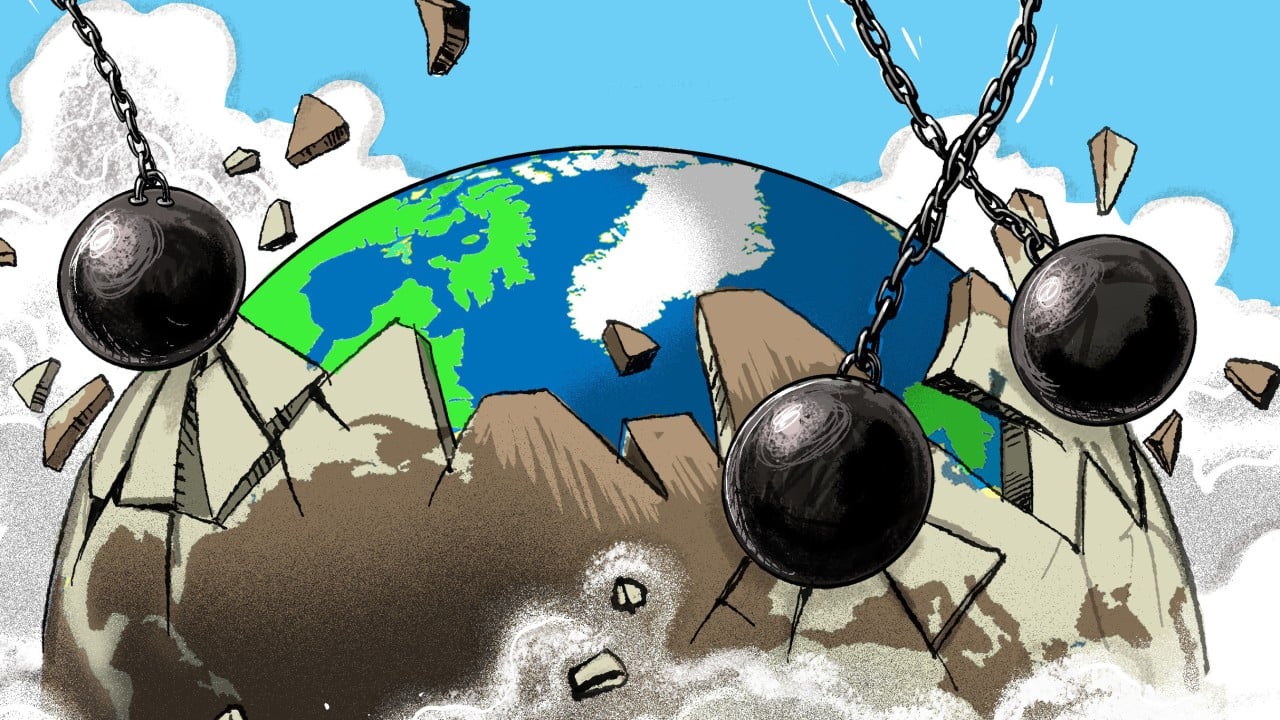
The global order is facing unprecedented challenges as it struggles to adapt to the complexities of the 21st century. The post-war institutions established in 1945, designed for a world shaped by bipolar rivalry and later sustained by American dominance, are increasingly seen as outdated and inadequate for addressing today’s interconnected yet fragmented world. The 2026 Munich Security Report describes this moment as one of “wrecking-ball politics,” where the old order is being dismantled at an accelerating pace. This shift is driven by a combination of rising populism in Western countries, which seeks to dismantle multilateral structures perceived as hindering national interests, and the growing realization that global governance has failed to keep up with the rapidly evolving challenges of the modern era.
Today’s global system is characterized by economic interdependence, environmental constraints, and political fragmentation. Unlike the mid-20th century world, which was shaped by steel, grain, and territorial sovereignty, today’s challenges are driven by data flows, artificial intelligence, cross-border platforms, atmospheric physics, and globally integrated capital markets. These complexities demand new frameworks that reflect contemporary realities, such as addressing climate change, digital fragmentation, supply-chain insecurity, debt distress, and geopolitical rivalry. The current institutions, however, remain anchored in the power dynamics of yesterday, making it difficult for them to effectively address these issues.
The old architecture was built on fading asymmetries of influence and supported by states that wholeheartedly endorsed Western-led principles. However, this confidence in a rules-based international order is waning, as global governance continues to operate predominantly within state-centric boundaries, while value creation and systemic risks increasingly transcend borders and sectors. This disconnect between the old order and the new realities poses significant risks to global stability and prosperity. As the world grapples with these challenges, it becomes
Verticals
worldasia
Originally published on South China Morning Post on 2/19/2026