
Opinion | Why the Fed credibility crisis will hit emerging markets harder
South China Morning Post
by Shanshan LiFebruary 22, 2026
AI-Generated Deep Dive Summary
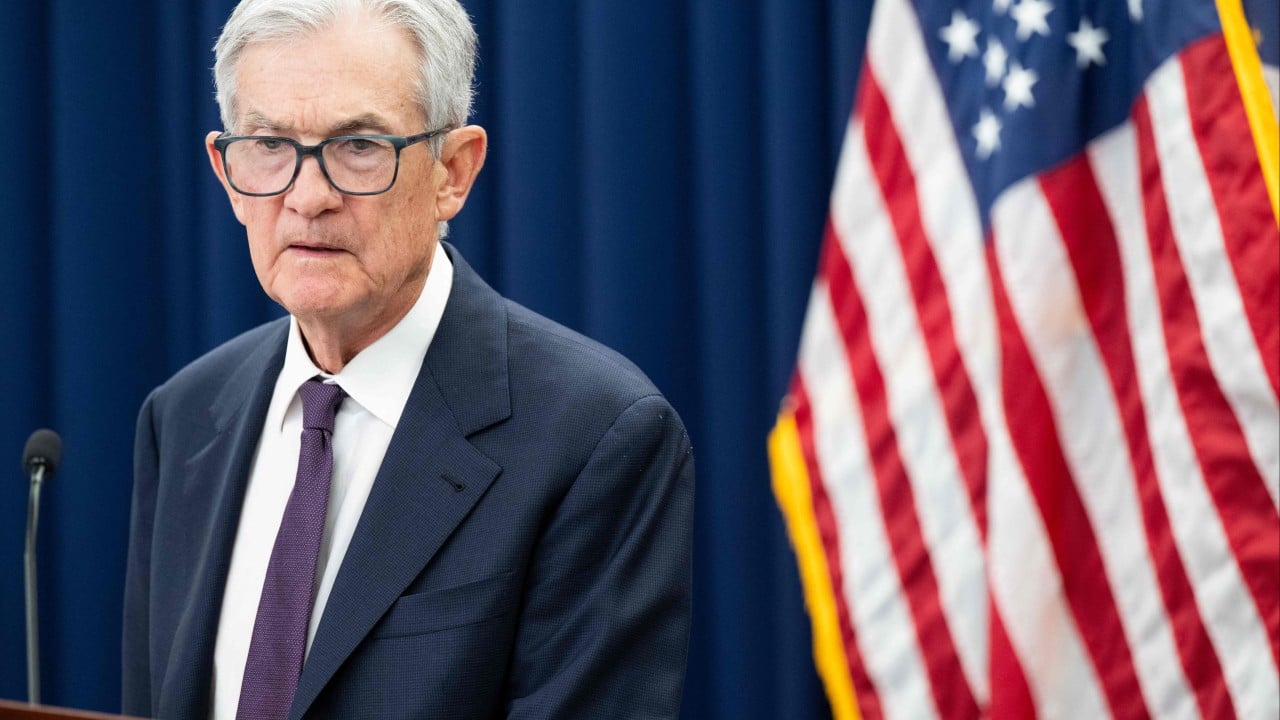
The US Federal Reserve’s credibility is under siege as political pressure in Washington threatens its independence, sending shockwaves through global financial systems. This crisis of confidence, driven by doubts over the Fed’s ability to maintain sound monetary policy, is particularly concerning for emerging markets in Asia, Latin America, and Africa, which are already grappling with inflation risks and volatile capital flows. The situation has led to a growing shift toward traditional safe assets like gold, with central banks and investors significantly increasing their holdings of the precious metal. However, this reliance on non-yielding assets like gold poses long-term challenges for global financial stability, as it reduces liquidity buffers and exacerbates inefficiencies in capital allocation.
The erosion of faith in the Fed has far-reaching implications. Central banks worldwide are re-evaluating their strategies, with many opting to hold more gold—a move that reflects a broader shift away from riskier assets. By 2025, gold is expected to make up nearly 30% of global official reserves, surpassing its historical average and solidifying its position as the second-largest reserve asset behind only the US dollar. While gold serves as a stabilizing force during periods of uncertainty, it lacks the flexibility provided by reserve currencies, which can act as a backstop for liquidity in times of crisis.
Emerging markets are particularly vulnerable to these developments. With thinner financial markets and lower gold holdings compared to developed nations, they face heightened risks from capital outflows and reduced access to affordable financing. This dynamic underscores the growing fragmentation within the global financial system, leaving developing economies more exposed to external shocks. The loss of confidence in the Fed’s leadership also raises concerns about inflation trajectories, as central banks may be less able or willing to implement effective policy responses.
The situation highlights the delicate balance between political influence and monetary policy independence, a tension that is likely to persist. As global investors and policymakers grapple with these challenges, emerging markets will need to adapt their strategies to navigate an increasingly uncertain financial landscape. The long-term consequences of this credibility crisis could reshape the global economic order, reinforcing the need for stronger international cooperation and more robust safeguards against systemic risks.
Verticals
worldasia
Originally published on South China Morning Post on 2/22/2026