
Panama’s golden frogs beat extinction
Popular Science
by Andrew PaulFebruary 25, 2026
AI-Generated Deep Dive Summary
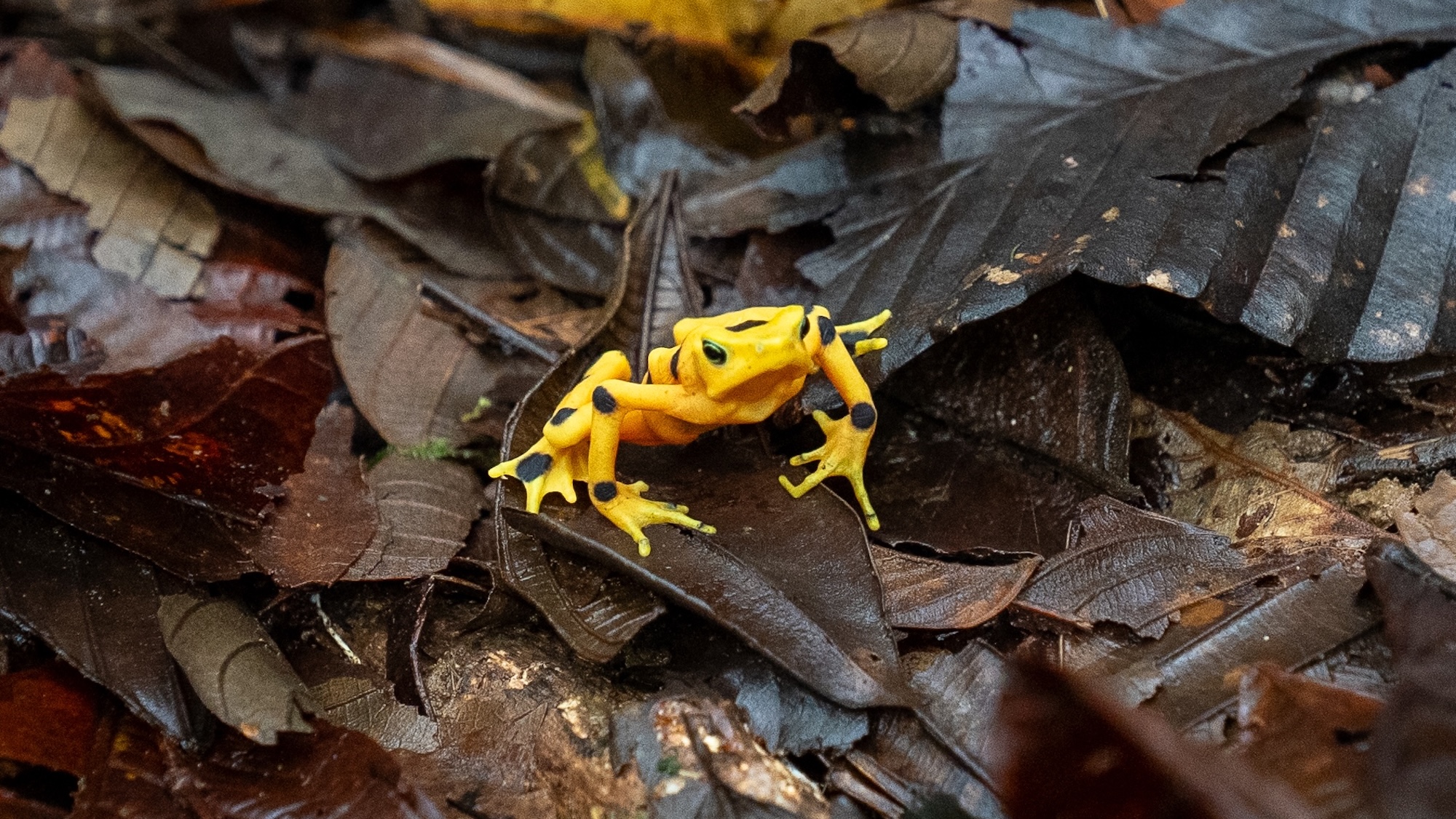
Panama’s golden frogs, once thought to be on the brink of extinction due to a deadly fungus, are making a remarkable comeback after nearly two decades of absence. Conservationists have successfully reintroduced a new generation of these tiny, vividly colored amphibians into their natural habitat. The story marks a significant milestone in efforts to combat the chytridiomycosis crisis, which has devastated global amphibian populations.
The decline began in the late 1980s when the invasive fungus *Batrachochytrium dendrobatidis* (Bd) arrived in Central America. By 2004, it had reached El Valle de Anton, Panama’s last stronghold for golden frogs (*Atelopus zeteki*). The disease disrupted the frogs’ electrolyte balance, leading to heart failure and death. By 2009, golden frogs had completely disappeared from the region.
For years, researchers at the Smithsonian-affiliated Panama Amphibian Rescue and Conservation Project (PARC) worked tirelessly to breed these critically endangered amphibians in controlled environments. The hard-won success of stable lab populations has now allowed them to move into the next phase: reintroducing golden frogs back into the wild. This process is challenging, as Bd still persists in many areas of Panama, affecting about 70% of the initial release group during their first 12 weeks of rewilding.
Despite these challenges, the surviving frogs provide valuable insights for conservation strategies. Researchers are identifying climate refuges—areas where the frogs can thrive while the fungus remains too weak to infect them. The lessons learned from this effort could have broader implications for saving other amphibian species globally
Verticals
sciencetech
Originally published on Popular Science on 2/25/2026