
Partial US government shutdown throws Congress into turmoil again
South China Morning Post
by Mark MagnierFebruary 14, 2026
AI-Generated Deep Dive Summary
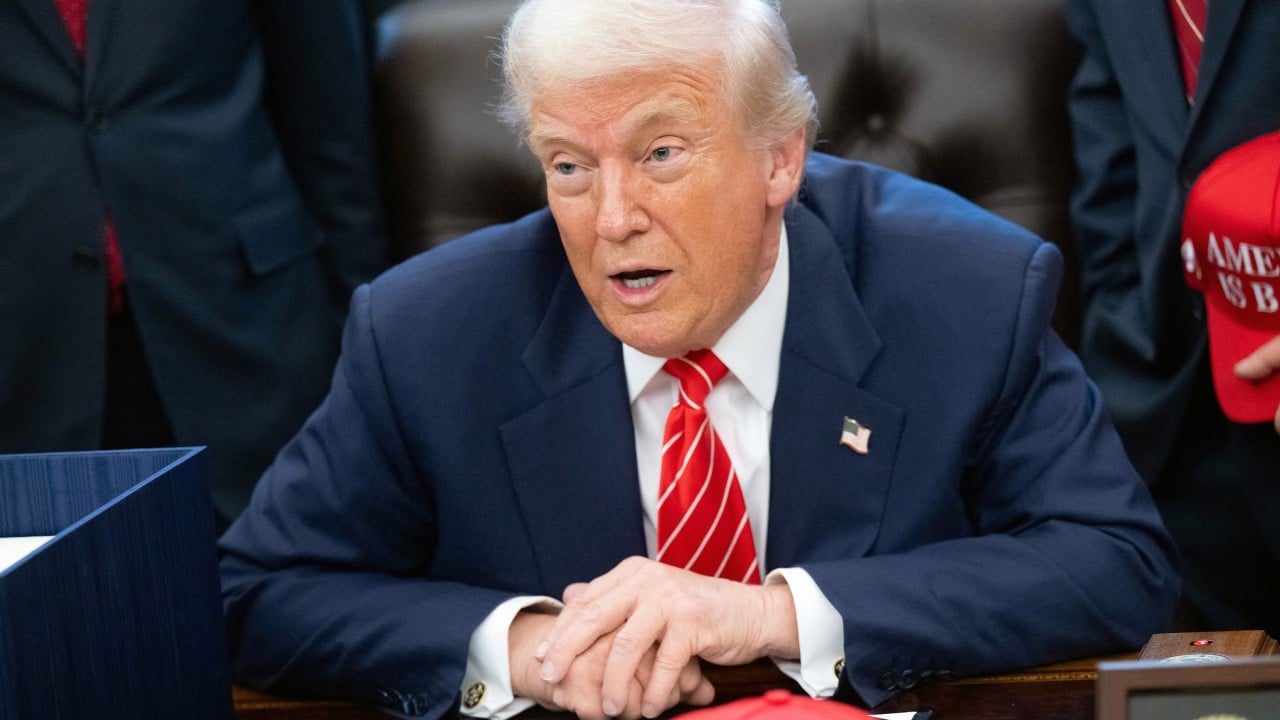
The U.S. government faced another partial shutdown on Saturday as funding for the Department of Homeland Security (DHS) expired, highlighting growing political divisions in Washington. This marks the second shutdown in just four months, underscoring the deepening dysfunction and partisanship in Congress. However, an unexpected twist emerged: despite being part of DHS, Immigration and Customs Enforcement (ICE) will continue to operate due to its independent funding source. This unprecedented move by President Donald Trump's administration has allocated resources to keep ICE functional, even as other parts of DHS are affected.
The shutdown began after lawmakers failed to reach a agreement on a spending bill, with disagreements over border security and immigration policies at the core of the impasse. While some federal agencies remain operational through alternative funding sources, many critical functions have been impacted. National parks, museums, and other government services are temporarily closed, affecting both citizens and visitors. Federal employees in affected departments face furloughs or uncertainty about their work status.
ICE's continued operation is seen as a strategic move by the Trump administration to maintain enforcement activities despite the broader shutdown. This decision has drawn criticism from opponents, who argue that it prioritizes immigration enforcement over public health, safety, and other essential services. Advocacy groups have raised concerns about the potential consequences for vulnerable populations, including asylum seekers and undocumented immigrants.
This situation reflects the ongoing gridlock in Washington and the challenges of governing under a deeply polarized political environment. The shutdown not only disrupts government operations but also raises questions about the broader implications for U.S. policies and international relations. As the world watches, the ability of the U.S. to resolve its internal conflicts will be closely monitored, given its global influence and role in shaping international dynamics.
For readers interested in global affairs, this shutdown highlights the fragile state of U.S. governance and its potential impact on international stability. The inability of Congress to pass a budget reflects not just domestic challenges but also concerns about the country's capacity to lead effectively on the world stage. As the shutdown continues, it will be important to monitor how it affects diplomatic efforts, economic relations, and global security initiatives
Verticals
worldasia
Originally published on South China Morning Post on 2/14/2026