
'Peaceful protest our right': Rahul Gandhi backs Youth Congress after chief's arrest, says 'proud of Babbar Sher comrades'
Times of India
by TOI NEWS DESKFebruary 24, 2026
AI-Generated Deep Dive Summary
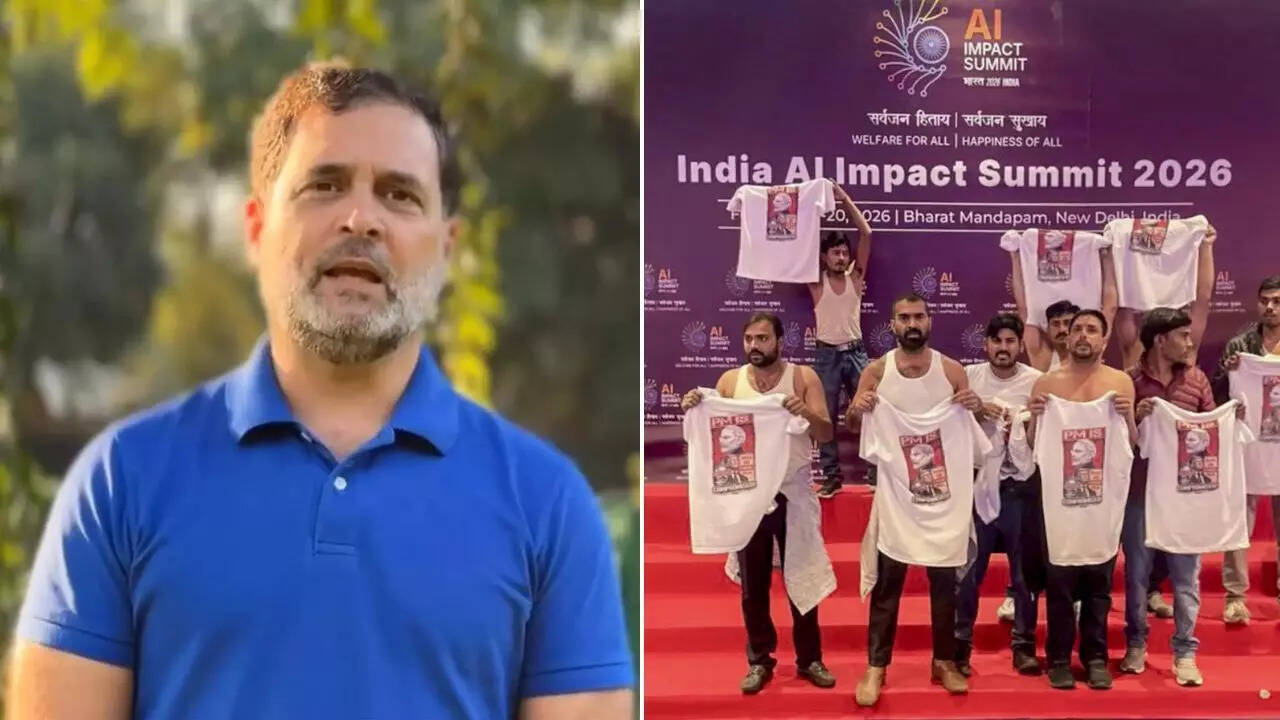
Rahul Gandhi has strongly supported the Indian Youth Congress (IYC) after its national president, Uday Bhanu Chib, was arrested for leading a protest during the AI Summit in New Delhi. The opposition leader praised the "Babbar Sher comrades" for their peaceful yet impactful demonstration, calling it a democratic right and part of India's historic heritage. He criticized the India-US trade agreement, arguing it compromises national interests and harms farmers and the textile industry. Gandhi emphasized that holding power accountable is an act of patriotism, not a crime, and reaffirmed his party’s solidarity with the protesters.
The protest occurred during the AI Summit on February 20, where IYC workers were detained for raising slogans against Prime Minister Narendra Modi. The group entered the venue wearing white T-shirts bearing messages like "India-US Trade Deal" and "Epstein Files," which led to heated exchanges with attendees before security intervened. Police allege that Chib masterminded the protest, orchestrating logistics and funding, and have transferred the case to the Delhi Police Crime Branch for further investigation.
Delhi Police sought seven days of custody for Chib, accusing him of having a "common intention" behind the demonstration. Gandhi condemned the arrest as evidence of "dictatorial tendencies and cowardice," arguing it reflects poorly on India’s commitment to free speech and democracy. The incident has sparked a political debate, with critics accusing the Congress of orchestrating a disruption during a global event, while supporters view it as a necessary challenge to government policies.
This controversy highlights tensions between peaceful dissent and government restrictions on public expression. As India grapples with balancing these values, the case underscores the broader struggle for democratic rights and accountability in South Asia. For global readers, it offers insights into India’s political dynamics and the ongoing debate over the limits of free speech in a democratic society.
Verticals
worldasia
Originally published on Times of India on 2/24/2026