
Pentagon Says Iran War Is ‘Not Iraq,’ but Won’t Rule Out Boots on the Ground
Foreign Policy
by John HaltiwangerMarch 2, 2026
AI-Generated Deep Dive Summary
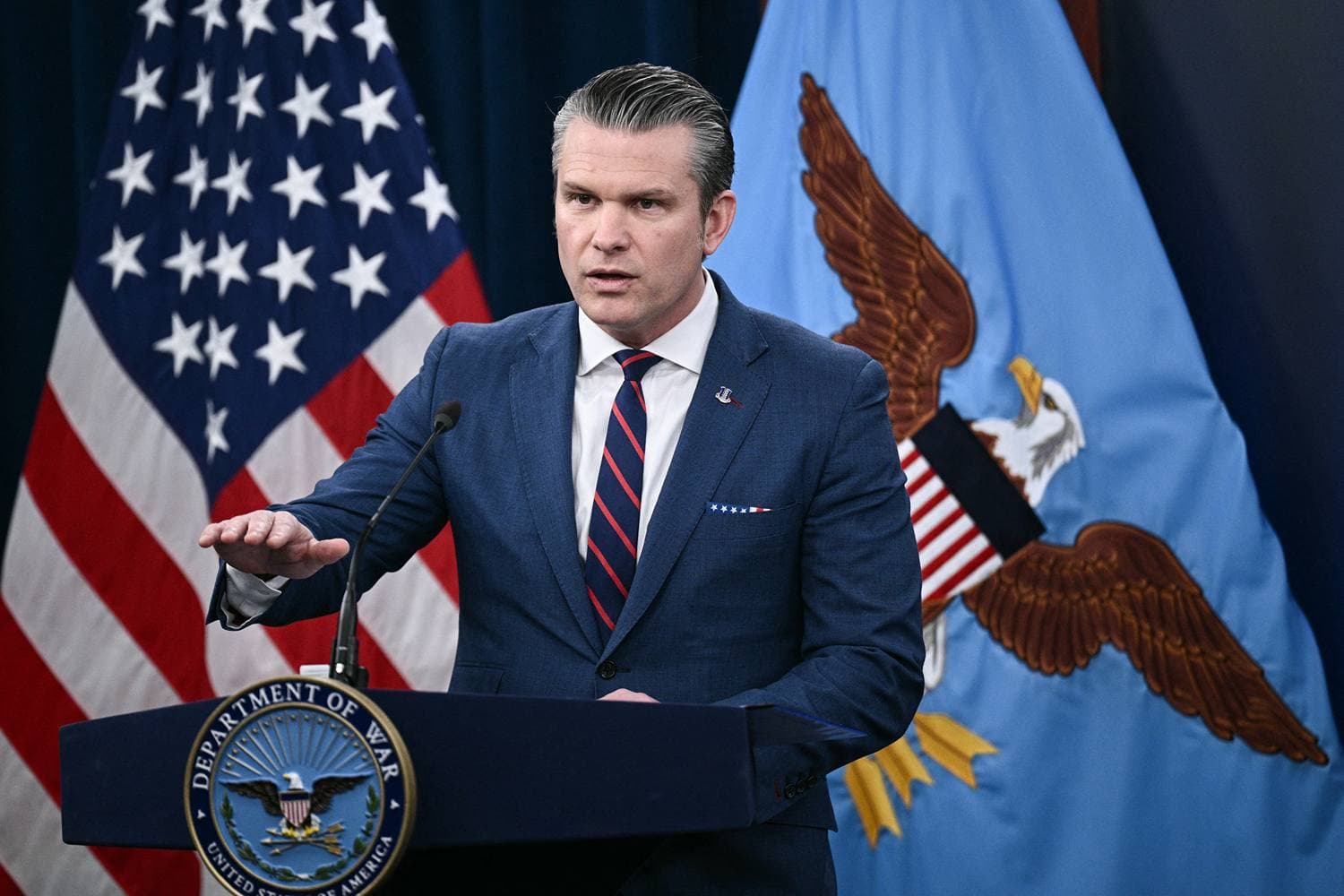
U.S. Defense Secretary Pete Hegseth delivered a strong defense of the ongoing U.S.-Iran conflict during a Pentagon briefing, rejecting comparisons to the long-running wars in Iraq and denying claims that the war aims include regime change. While he acknowledged that Iran has harbored animosity toward the United States for decades, he argued that the conflict is not endless or akin to the protracted wars in Afghanistan or Iraq. Instead, Hegseth framed the operation as a targeted effort to dismantle Iran's missile capabilities and nuclear ambitions, emphasizing that the U.S. response was necessary after years of Iranian aggression.
Hegseth also dismissed claims that Tehran was serious about diplomatic negotiations over its nuclear program, asserting that Iran was merely stalling to rebuild its military capacity. However, he faced criticism for inaccurately claiming that Iran initiated the current conflict and overstating the extent of U.S.-Iranian tensions. Despite these contradictions, Hegseth reaffirmed President Trump's message, calling it "their moment" for Iranians to take control of their government—a clear nod to regime change rhetoric despite his earlier denial. This stance has drawn sharp rebukes from critics who argue that Trump's actions undermine his own campaign promises to avoid endless wars and nation-building conflicts.
The briefing comes amid growing scrutiny of Trump's decision to escalate military operations, particularly given his past vows to avoid "forever wars." While Hegseth framed the conflict as a decisive and limited engagement, experts warn that the situation could spiral into prolonged instability in the Middle East. The Pentagon chief also hinted at broader goals, including ensuring regional security and countering Iranian influence in the region, though he stopped short of explicitly stating whether U.S. forces would remain on the ground. For now, the administration's focus remains on achieving its stated objectives while maintaining a public stance that distances the conflict from the lengthy and costly wars of the past.
This situation matters to politics watchers because it highlights key issues surrounding military strategy, accountability for decision-making, and transparency in communication during times of war. The debate over
Verticals
politicsinternational
Originally published on Foreign Policy on 3/2/2026