
'PM Modi should be invited': BNP's diplomatic tone ahead of Tarique Rahman's swearing-in
Times of India
by TOI WORLD DESKFebruary 14, 2026
AI-Generated Deep Dive Summary
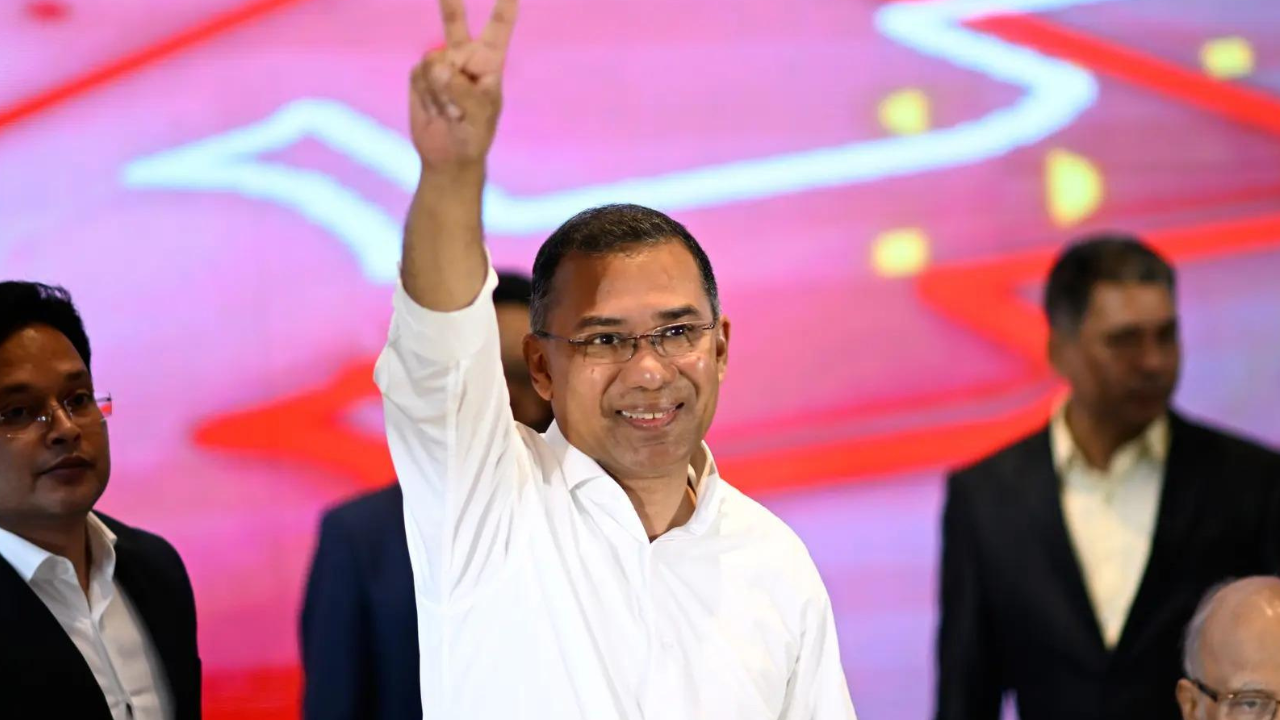
Bangladesh Nationalist Party (BNP) leader Tarique Rahman is set to become Prime Minister following his party's landslide victory in the general elections. A senior BNP leader, ANM Ehsanul Hoque Milan, has suggested that Indian Prime Minister Narendra Modi should be invited to attend the swearing-in ceremony in Dhaka. Highlighting the party's foreign policy approach, Milan emphasized "friends to all, malice to none," indicating a broader diplomatic outreach.
The BNP's decisive win marks their return to power after nearly two decades. With 209 seats secured so far and leading in two more, they have formed an alliance with other parties totaling 212 seats. The election results signal a significant shift, as the previous ruling party was defeated. Preparations for the new government are underway, with the oath-taking ceremony expected to take place within three to four days at Bangabhaban, administered by President Mohammed Shahabuddin.
The swearing-in ceremony will host around 1,000 guests, reflecting Bangladesh's diplomatic efforts on the global stage. This comes after Prime Minister Modi congratulated Tarique Rahman and reaffirmed India's commitment to strong bilateral ties. In a post on X, Modi expressed his delight at speaking with Tarique and emphasized the importance of fostering peace, progress, and prosperity between the two neighboring nations.
This development matters significantly for regional stability and economic growth in South Asia. Strong diplomatic relations between Bangladesh and India can pave the way for enhanced trade, security cooperation, and cultural exchanges. The BNP's invitation to Modi reflects their desire to strengthen ties with India, while also showcasing their inclusive foreign policy approach. As both countries share deep historical and cultural connections, fostering mutual collaboration will be crucial for addressing shared challenges and opportunities in the region.
The transition of power in Bangladesh underscores the importance of democratic processes and the impact of election outcomes on international relations. With Tarique Rahman poised to lead the country, his administration's ability to maintain amicable ties with India and other regional neighbors will be closely watched by the global community. The BNP's landslide victory not only signals a political shift but also highlights the potential for renewed diplomatic engagement in South Asia.
Verticals
worldasia
Originally published on Times of India on 2/14/2026