
'Politics of negativity': Piyush Goyal rejects Rahul Gandhi's concerns over India-US trade deal
Times of India
by TOI NEWS DESKFebruary 14, 2026
AI-Generated Deep Dive Summary
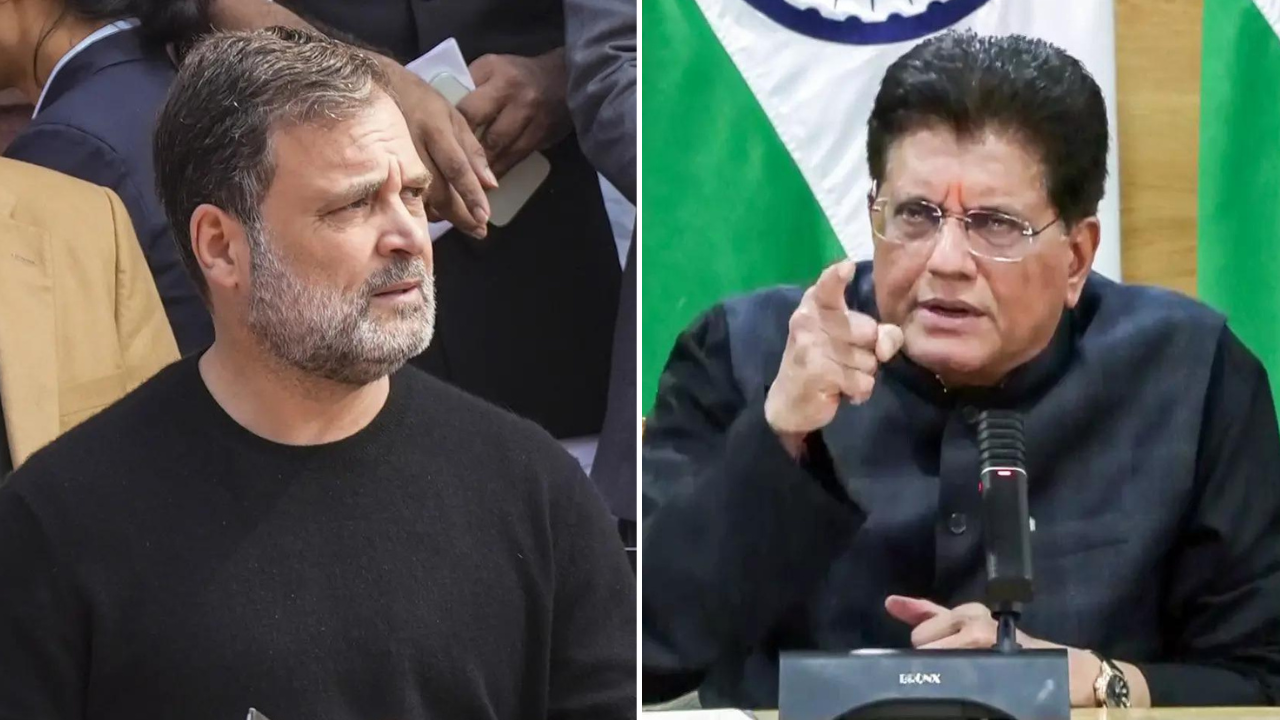
The India-US trade deal has become a battleground for political rhetoric, with Union Commerce Minister Piyush Goyal intensifying his criticism of Rahul Gandhi over the leader's concerns about the agreement. Goyal dismissed Gandhi as "exposing himself with his own foolishness," accusing him of attempting to undermine India's growth narrative through "politics of negativity." He argued that the trade deal would significantly boost India's textile exports, creating jobs and benefiting farmers by increasing demand for Indian cotton. Goyal also accused Gandhi of misrepresenting the deal's implications, particularly in areas like duty-free imports, which he claimed were already part of policies initiated by Gandhi's own party during previous governments.
Gandhi, however, has been a vocal opponent of the trade deal, warning that it could harm India's cotton farmers and textile exporters. He alleged that the government had agreed to terms that would disadvantage Indian products in the US market compared to Bangladesh. Specifically, he pointed out that while Indian garments would face an 18% tariff in the US, Bangladesh would enjoy zero-tariff access under the deal. Gandhi suggested this was a "trap" set by Prime Minister Narendra Modi's government, leaving millions of families at risk of unemployment.
The debate highlights broader tensions between the ruling Bharatiya Janata Party (BJP) and the opposition Congress over economic policy and trade negotiations. Goyal framed the agreement as a win-win for India, emphasizing its potential to expand market access and boost exports across various sectors. He also accused Gandhi of peddling "fearmongering" and misinformed farmers about the deal's impact. Meanwhile, Gandhi continued to level accusations against the government, claiming that it had failed to protect Indian interests in the negotiations.
This clash underscores the high stakes of the India-US trade deal, which has far-reaching implications for India's economy and its relationship with the US. While Goyal portrays the agreement as a strategic move to enhance India's global standing, Gandhi warns of its potential pitfalls for domestic industries and workers. The debate is likely to continue as both sides seek to sway public opinion ahead of key policy decisions and elections.
The spat also reflects deeper political divides in India over how to balance economic growth with protectionist policies. As the two leaders trade barbs, the outcome of the trade deal could shape India's economic trajectory and its relationship with one of its most important global partners. For readers interested in international trade dynamics and India's role
Verticals
worldasia
Originally published on Times of India on 2/14/2026