
'Provided logistics' for 'shirtless' protest: Why Delhi Police arrested youth Congress chief Uday Bhanu
Times of India
by TOI NEWS DESKFebruary 24, 2026
AI-Generated Deep Dive Summary
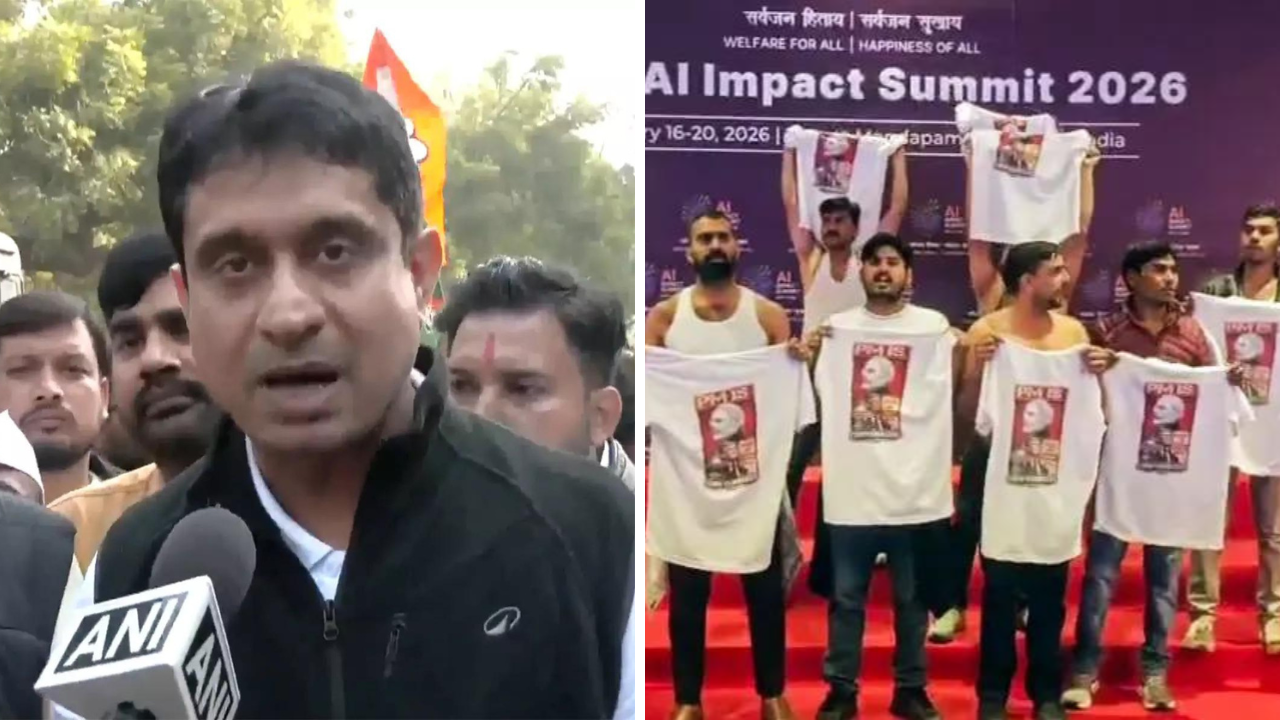
Delhi Police arrested Udhay Bhanu Chiba, the chief of the Indian Youth Congress (IYC), seeking seven days of police custody. The arrest came after an inquiry into a shirtless protest organized by youth activists at the Bharat Mandapam venue during the AI Summit in New Delhi. According to police, Chiba was the mastermind behind the protest, providing both logistical support and funding to the participants. The protest involved around 20 individuals, including IYC members from various states like Jammu, Uttar Pradesh, and Himachal Pradesh.
The protesters had undergone mandatory online registration and used QR codes for entry. Inside the venue, they removed their outerwear to reveal T-shirts with anti-Prime Minister slogans. Videos circulating online show security personnel escorting them out after chanting political slogans. The police alleged that the protest was premeditated and aimed at disrupting the summit.
The Youth Congress has strongly condemned the arrest, calling it an "anarchy" and a violation of democratic rights. They argue that peaceful protests are a legitimate form of expression in a democracy and accuse the government of targeting dissent. Congress spokesperson Pawan Khera criticized the move, highlighting the lack of progress in arresting those behind past terrorist attacks while singling out young protesters for their attire.
Chiba's arrest has sparked tensions between the opposition and the ruling Bharatiya Janata Party (BJP). The Youth Congress has vowed to continue its activism, emphasizing that the protest was a peaceful demonstration of frustration over unemployment and government policies. They also pointed out that similar protests have been held in the past without facing such harsh actions.
The case highlights the broader debate in India about the limits of free speech and the role of law enforcement in managing public dissent. It raises questions about whether the arrest reflects a broader crackdown on political opponents or a legitimate response to disruptive behavior during a high-profile event. The outcome could set a precedent for how future protests are handled in India, with implications for both civil liberties and national security
Verticals
worldasia
Originally published on Times of India on 2/24/2026