
Public patients out of pocket for accepting surgery program
Sydney Morning Herald
by Courtney KrukFebruary 23, 2026
AI-Generated Deep Dive Summary
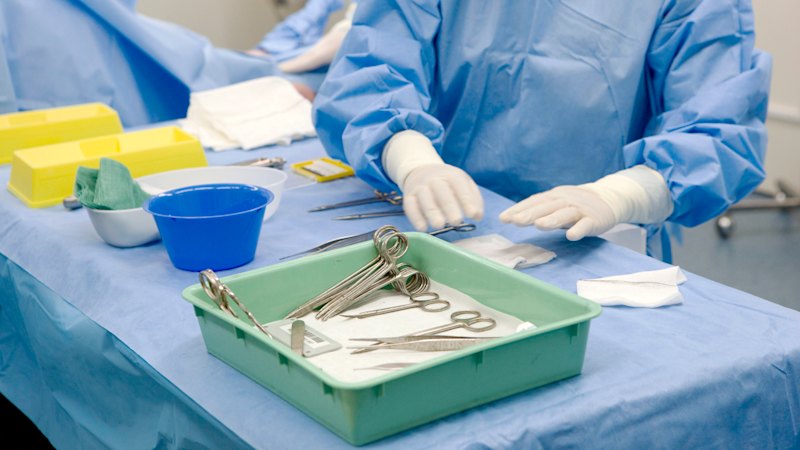
A Queensland government program aimed at reducing elective surgery waitlists has left some public patients facing financial and medical challenges. Launched in 2008 as *Surgery Connect*, the initiative outsources certain procedures to private hospitals, with a recent $49.5 million investment expected to assist up to 5600 patients. However, reports from patients highlight concerns over follow-up care, with some being forced to pay for appointments typically covered by the public system.
Patients have shared stories of inadequate post-operative support through *Surgery Connect*. A nurse who underwent hand surgeries under the program described being left without sufficient rehabilitation sessions. After receiving a joint replacement, she was initially approved for three follow-up appointments but later discovered no further sessions would be covered. Despite her protests, she was unable to return to the public hospital system and now faces significant out-of-pocket expenses for physiotherapy.
Another patient undergoing ACL surgery through *Surgery Connect* reported similar frustrations. She was not provided with information about post-operative care and was surprised when her treatment costs began piling up after being assured of Medicare coverage. Physiotherapy sessions cost $140 each, leading to expenses exceeding $1,000. Such experiences have left patients feeling exploited by a system designed to ease public hospital pressures but failing in its follow-up obligations.
Experts and officials have weighed in on the issue. The Australian Medical Association Queensland expressed concern over patients being “left in limbo” post-operation, emphasizing the need for clearer communication about aftercare before surgery. A spokesperson for Queensland Health defended the program, stating that private providers are contractually responsible for follow-up care at no cost to patients during a 90-day window post-discharge. Beyond this period, responsibility shifts to GPs or relevant health services.
Critics argue that while *Surgery Connect* may benefit some by reducing wait times, it risks creating disparities in care quality between public and private systems. Patients like these nurses and other individuals highlight the unintended
Verticals
worldaustralia
Originally published on Sydney Morning Herald on 2/23/2026