
Radio waves could help driverless cars see around corners
Popular Science
by Mack DeGeurinFebruary 14, 2026
AI-Generated Deep Dive Summary
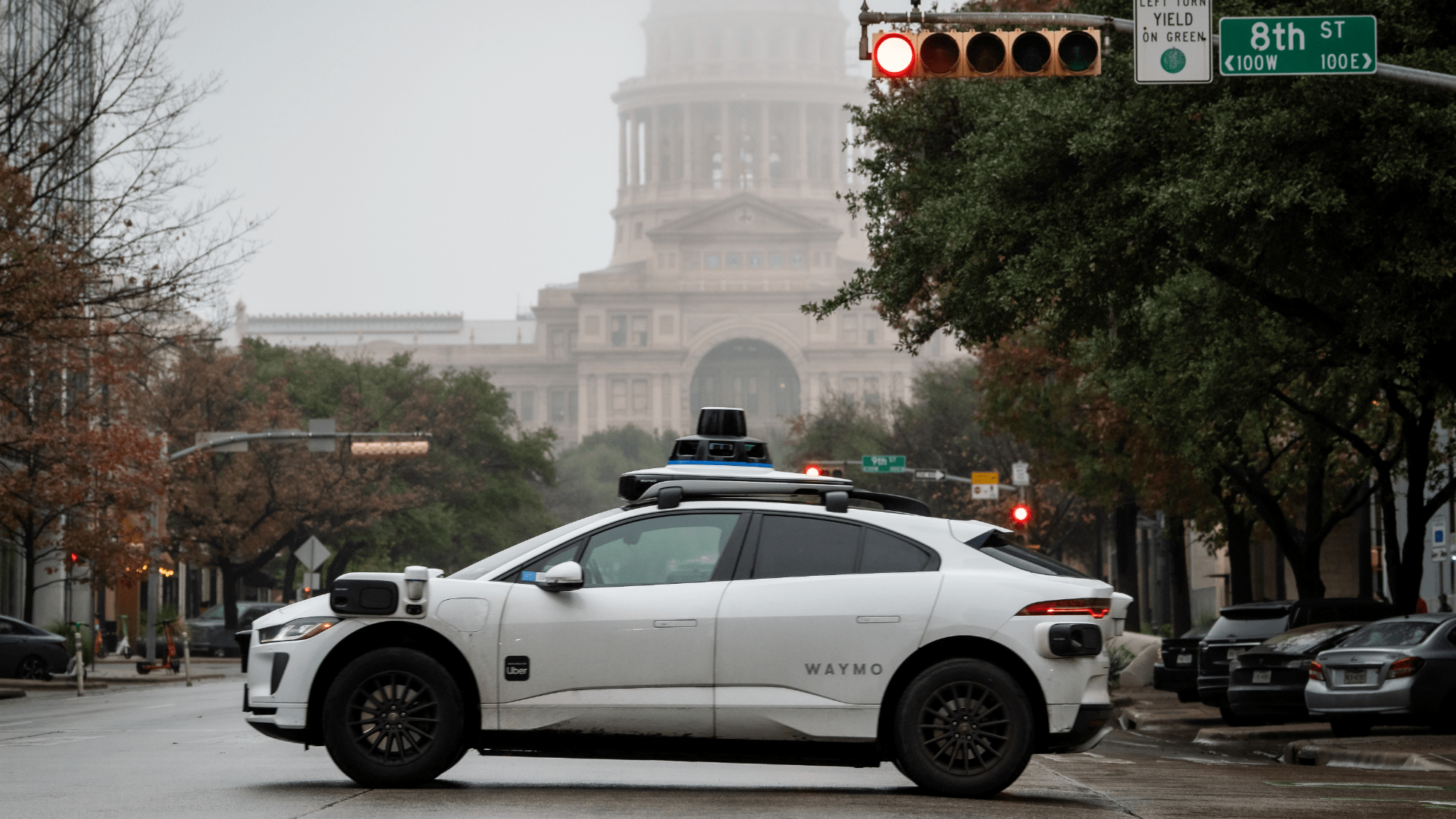
A groundbreaking development in autonomous vehicle technology could soon make driverless cars safer by enabling them to "see" around corners and through obstacles like walls or parked vehicles. Researchers at the University of Pennsylvania have introduced HoloRadar, a sensor system that uses radio waves to detect objects or people hidden from view, potentially filling a critical blind spot for self-driving cars.
HoloRadar operates by bouncing radio signals off surfaces, such as walls or pavement, which then reflect back to the source. This allows the system to identify objects or individuals behind these barriers with remarkable accuracy. During campus tests, the technology successfully detected hidden people and navigated around obstacles, demonstrating its potential for enhancing autonomous navigation.
The significance of this innovation lies in its ability to overcome limitations of existing sensor systems like LiDAR, which struggles when faced with large obstacles or blind corners. By using radio waves—longer wavelengths that can penetrate surfaces more effectively than visible light—the HoloRadar system achieves higher resolution and clarity for detecting hidden objects.
This advancement could revolutionize autonomous vehicles by giving them a 360-degree awareness of their surroundings, reducing the risk of accidents caused by unseen obstacles or pedestrians. While still in early stages, the technology's success in real-world testing suggests promising applications for safer self-driving cars and robots.
For readers interested in science, this breakthrough highlights the potential of radio wave-based sensing to transform autonomous systems. It also underscores ongoing efforts to address critical challenges in AI navigation, ensuring future vehicles can operate with greater precision and safety.
Verticals
sciencetech
Originally published on Popular Science on 2/14/2026