
Rajaji statue to replace Lutyens' at Prez house that he designed
Times of India
by DIPAK K DASH, KUMAR RAKESH, MALLICA JOSHIFebruary 22, 2026
AI-Generated Deep Dive Summary
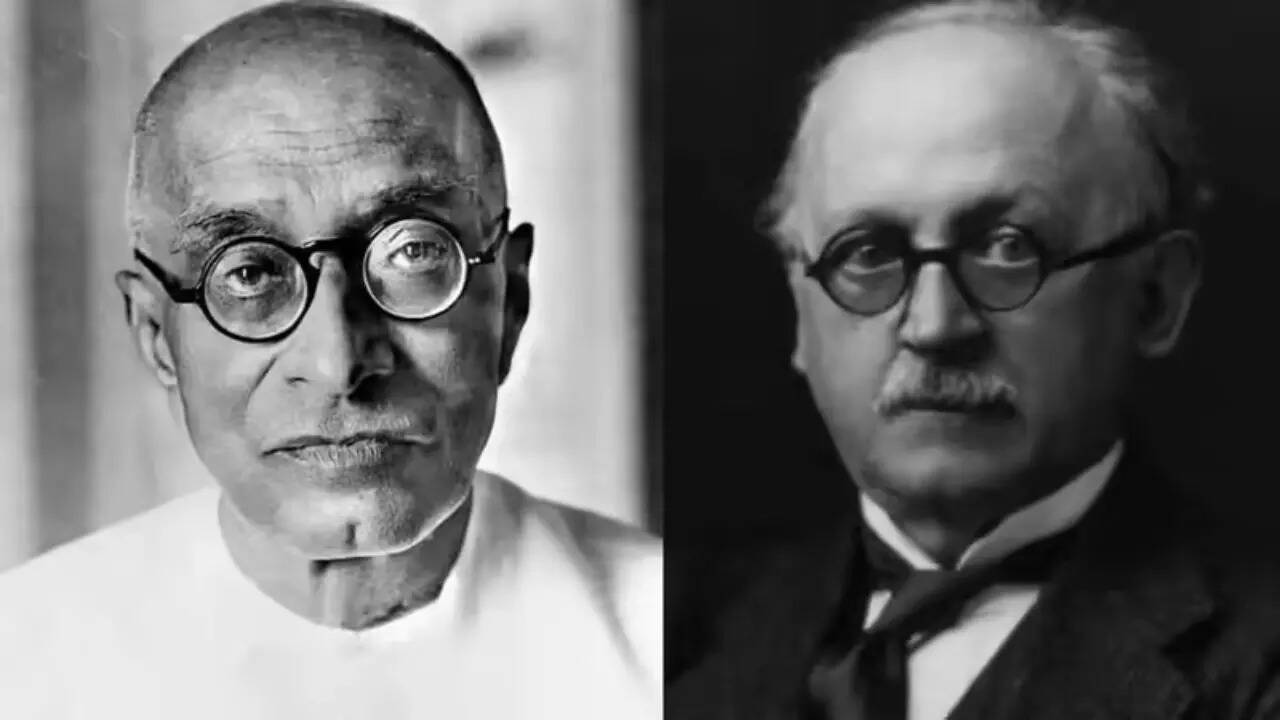
NEW DELHI: Prime Minister Narendra Modi has announced the removal of Edwin Lutyens' statue from Rashtrapati Bhavan, replacing it with a statue of C. Rajagopalachari, a prominent freedom fighter who served as the first Indian Governor General after independence. This move is part of a broader effort by Modi to dismantle symbols of colonial influence and promote Indian heritage. During his monthly 'Mann Ki Baat' address, Modi praised Rajagopalachari for his selflessness and contributions to India's freedom struggle. He also highlighted the statue replacement as a step toward erasing the "slave mentality" and reaffirming India's cultural identity.
The decision to replace Lutyens' statue with Rajagopalachari's aligns with Modi's ongoing campaign to remove British-era symbols from prominent public spaces. This shift reflects his administration's focus on celebrating Indian legacy and traditions, as seen in previous actions like renaming streets, honoring Netaji Subhas Chandra Bose, and promoting Hindi and other indigenous languages. The statue replacement is particularly significant given Lutyens' role in designing New Delhi, which has often been criticized for symbolizing a colonial elite.
Architectural experts have noted that while Lutyens played a key role in shaping the city's layout, his designs often overlooked Indian architectural styles. Historian Swapna Liddle and town planner A.K. Jain have emphasized that New Delhi's development involved contributions from Indian engineers and leaders like the Maharaja of Jaipur. Modi's decision to replace Lutyens' statue with Rajagopalachari's is a symbolic assertion of India's indigenous identity and its post-independence ethos.
Modi also praised J Jayalalithaa, a former Chief Minister of Tamil Nadu, during his speech, highlighting her contributions to governance and women empowerment. This comes as polls intensify in the southern state, with Modi's remarks serving both political and cultural significance. The replacement of Lutyens' statue is not just an architectural change but a broader cultural shift aimed at reshaping India's collective memory and identity.
This move matters globally as it reflects India's growing confidence in asserting its indigenous legacy against colonial influences. It also underscores the government's efforts to promote nationalism and cultural pride, which are key themes in Modi's tenure. By replacing Lutyens with Rajagopalachari, Modi is signaling a break from colonial symbols while celebrating Indian leaders who embodied selflessness and
Verticals
worldasia
Originally published on Times of India on 2/22/2026