
'Rebellious younger sibling': How Saudi-UAE split is reshaping the Middle East
Times of India
by TOI WORLD DESKFebruary 19, 2026
AI-Generated Deep Dive Summary
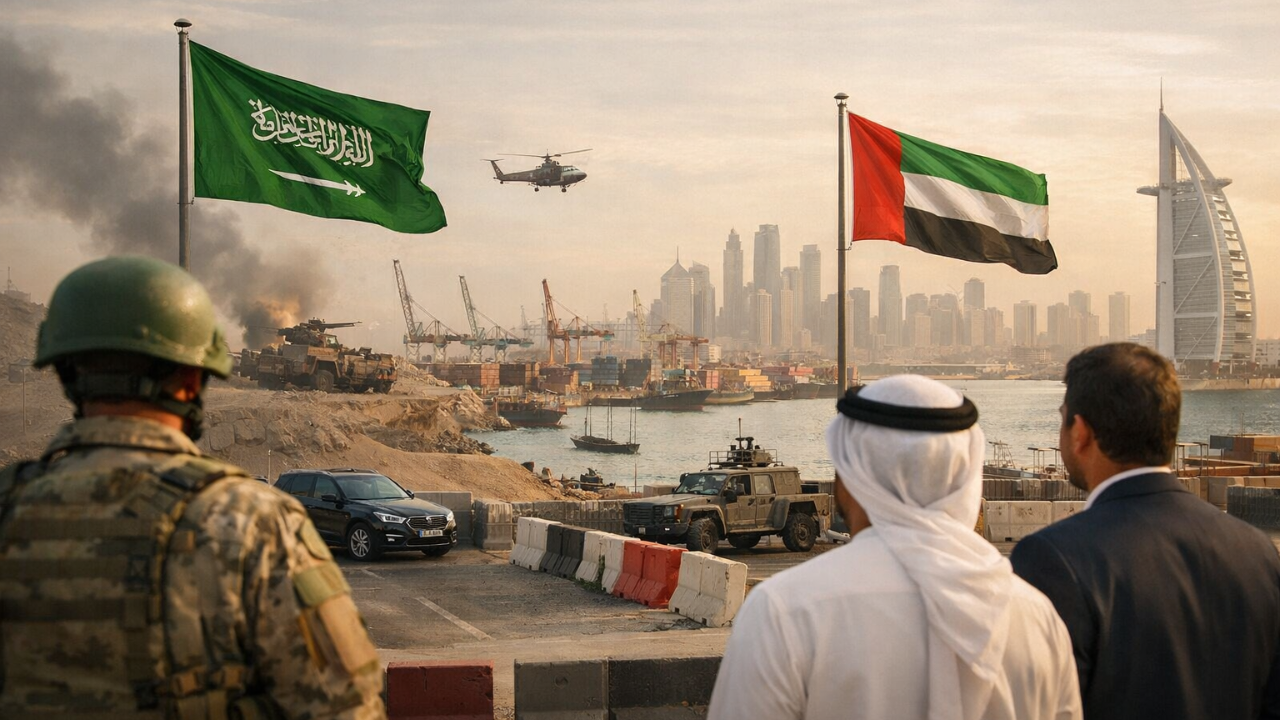
Saudi Arabia and the UAE, once close partners in the Gulf region, are now drifting toward open rivalry, a shift that is reshaping security dynamics, economic ties, and geopolitical stability across the Middle East. This growing tension has emerged as a significant challenge to long-standing assumptions about regional cooperation, with implications for global investments, cross-border commerce, and international relations.
The rift between Riyadh and Abu Dhabi began surfacing in 2018 when their priorities diverged in Yemen, where they previously shared a military mission but now back opposing factions. Tensions escalated further in December 2023 when Saudi Arabia bombed an Emirati weapons shipment, accusing the UAE of threatening its national security. This incident marked a new low in their relationship, following years of underlying economic and strategic competition. The rivalry is no longer just about tactical disagreements but has become a broader struggle over regional stability and influence.
The UAE's backing of separatist groups in Yemen, such as the Southern Transitional Council, has deepened the divide. Meanwhile, Saudi Arabia has taken a more assertive stance against Emirati-aligned forces, signaling its determination to maintain control over key regions like southern Yemen, which lies along critical global trade routes. This proxy competition is not only intensifying conflicts in fragile states but also creating new risks for cross-border business and diplomatic relations.
The economic stakes are high: Saudi Arabia's Vision 2030 initiative aims to position itself as a global hub for finance, tourism, and tech, directly competing with the UAE's established role as the Gulf's commercial center. This bid for primacy in strategic sectors has heightened competition, particularly if global markets cannot sustain both nations' ambitions simultaneously.
The implications of this split extend beyond the Middle East. Investors are growing nervous about the potential impact on Gulf-linked investments and trade corridors, which could lead to higher geopolitical risk premiums. Additionally, the unraveling of Saudi-UAE relations challenges the cohesion of the Gulf Cooperation Council (GCC) and raises
Verticals
worldasia
Originally published on Times of India on 2/19/2026