
Relying on decades-old rulings, SC acquits stepdad of 6-yr-old's murder
Times of India
by DHANANJAY MAHAPATRAFebruary 20, 2026
AI-Generated Deep Dive Summary
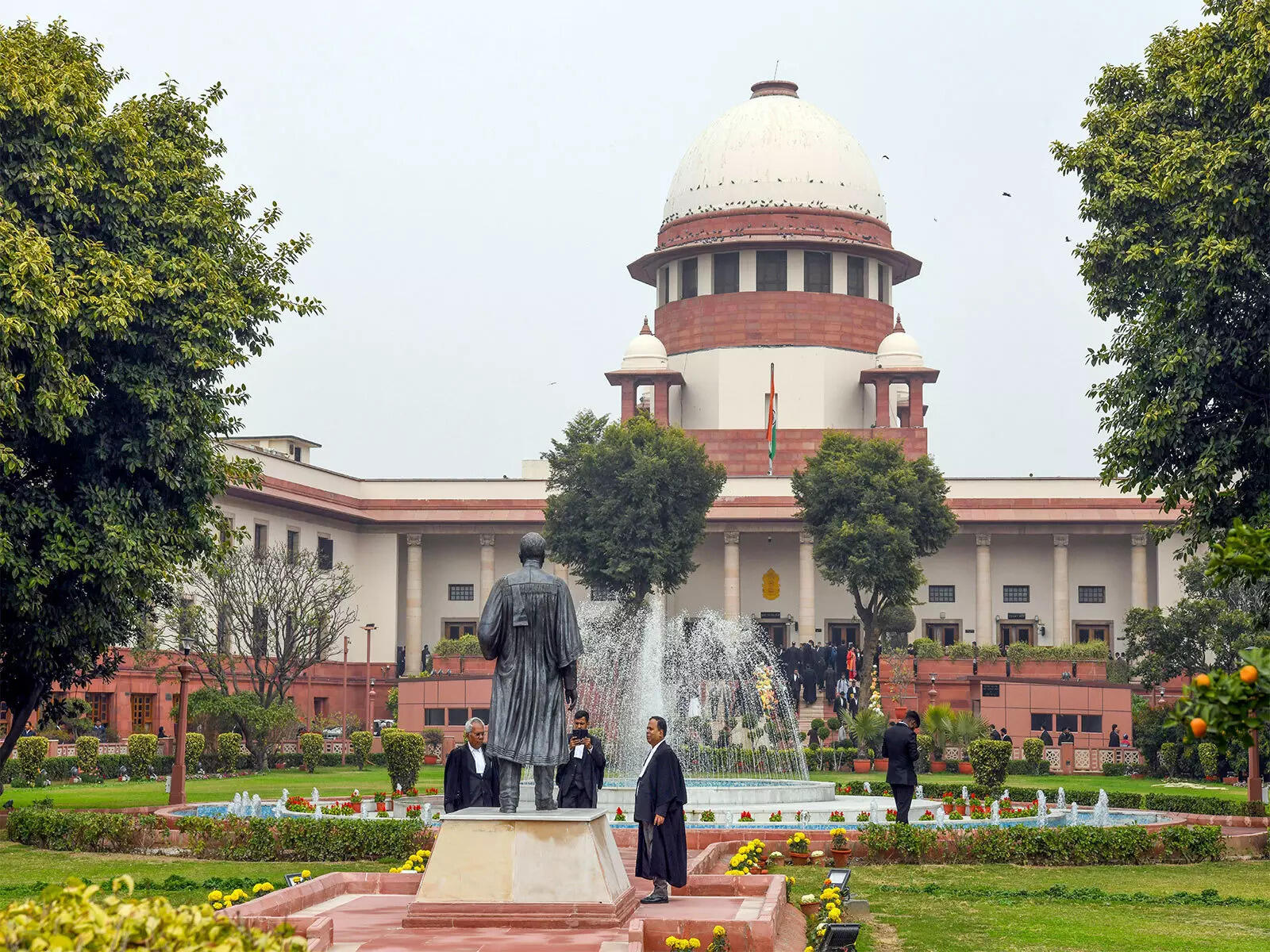
New Delhi: The Supreme Court acquitted Rohit Jangde, the stepfather of a six-year-old girl who went missing in 2018, relying on decades-old legal precedents to overturn his conviction. Despite Jangde leading police to the charred remains of the girl after her disappearance, the court found the evidence weak and ruled that his statement during custody was not admissible under Section 27 of the Indian Evidence Act. The bench emphasized that such statements can only corroborate evidence but cannot lead to a conviction on their own.
The case hinged on the interpretation of two landmark rulings from 1954 and 1931, which established that an accused’s statement leading to crime-related discoveries is admissible only if made in custody. The court noted that Jangde’s role as the last person seen with the girl and his subsequent actions raised suspicions but lacked concrete evidence linking him to her murder. The bench also highlighted the lack of a complaint about the child’s disappearance for over eight days, casting doubt on the case against him.
Justice K Vinod Chandran pointed out that while Jangde’s knowledge of the remains’ location was significant, it did not meet the legal threshold for guilt. The court stressed that without definitive proof of when the girl died or who was responsible, Jangde must be given the benefit of doubt. This ruling underscores the challenges in relying solely on circumstantial evidence and highlights the need for a more robust legal framework to address such cases.
The acquittal has sparked debate about the adequacy of India’s legal system in handling complex criminal cases. Critics argue that the reliance on outdated precedents undermines justice in high-profile cases, particularly those involving children. The case also raises questions about the quality of police investigations and the importance of collecting comprehensive
Verticals
worldasia
Originally published on Times of India on 2/20/2026