
‘Reversed parenting’: China couples copy kids, throw tantrums to promote equal talk
South China Morning Post
by Yating YangFebruary 19, 2026
AI-Generated Deep Dive Summary
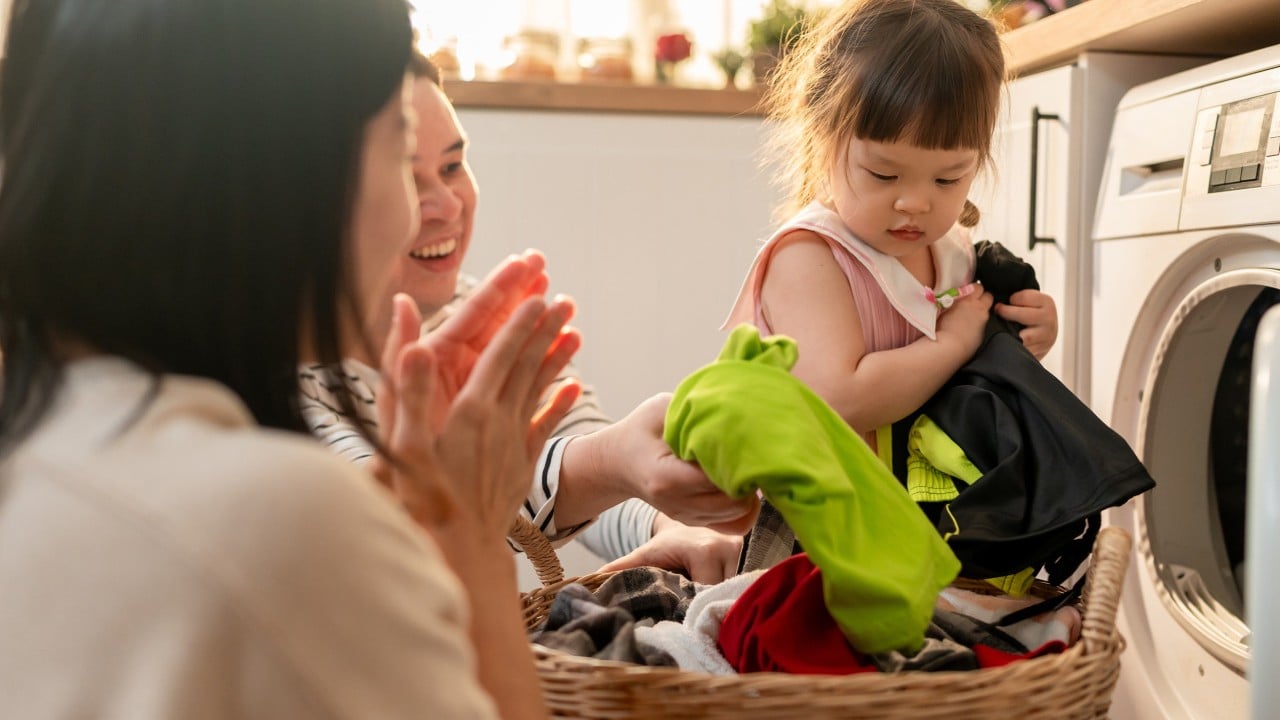
A groundbreaking parenting trend called "reversed parenting" is gaining traction in China, where millennial parents are adopting unique methods to foster better communication with their children. This innovative approach involves parents mimicking their kids' behavior and actions during conversations, aiming to create a more equal and understanding dialogue between generations. The movement originated from a viral incident in November 2022, when a mother in Heilongjiang province allowed her three-year-old daughter to experience the cold by letting her wear a thin princess dress despite freezing temperatures. Instead of forcing her child to follow traditional norms, the mother chose to let her daughter learn through personal experience, a decision that resonated with many parents online.
The concept of reversed parenting is rooted in the idea of fostering self-responsibility and mutual understanding. By stepping into their children's shoes—literally and figuratively—parents can better comprehend their kids' perspectives and emotions. This method also encourages children to take ownership of their actions and learn from natural consequences, which many modern parents believe is more effective than traditional disciplinary approaches. For instance, one father shared how he acted as his son during a conversation about homework, allowing him to express his frustrations and feelings of pressure in school.
This trend reflects broader shifts in parenting styles among Chinese millennials, who are increasingly prioritizing open dialogue over authoritarian methods. By embracing reversed parenting, parents aim to break down hierarchical barriers and create stronger emotional connections with their children. The approach has garnered significant attention online, with many praising its potential to promote empathy, independence, and self-awareness in both kids and adults. As more families experiment with this unconventional method, it highlights the evolving dynamics of family relationships in modern China and offers insights for parents worldwide seeking innovative ways to nurture their children.
Verticals
worldasia
Originally published on South China Morning Post on 2/19/2026