
Row over speakers on Indonesian ‘island of 1,000 mosques’ sparks debate on compromise
South China Morning Post
by Resty Woro YuniarFebruary 25, 2026
AI-Generated Deep Dive Summary
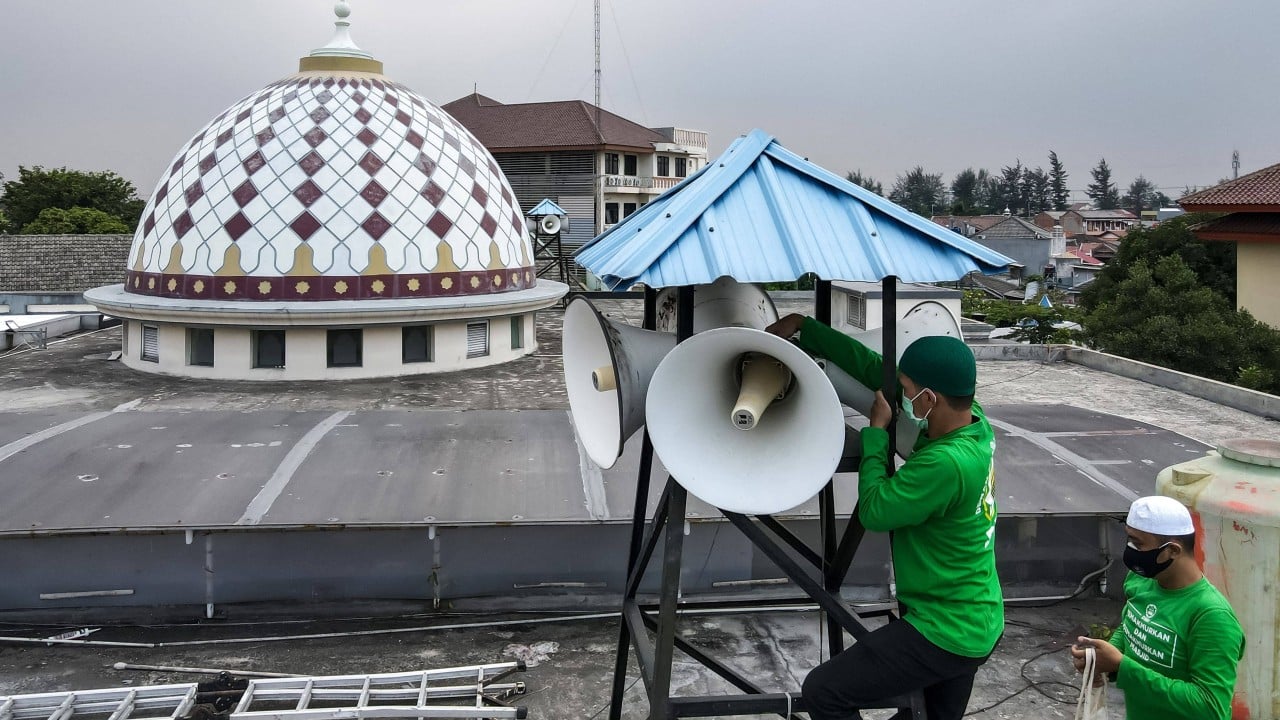
A confrontation between a foreign tourist and residents on Gili Trawangan, a popular Indonesian holiday island known as the "island of 1,000 mosques," has sparked fresh debates over the regulation of mosque loudspeakers in Indonesia. The incident, involving a New Zealand national who disrupted a Koran recitation night session at a musalla (a small prayer room) on February 18, has reignited discussions about whether government guidelines on the use of mosque loudspeakers should be made into binding laws. This issue touches on cultural and religious norms in Indonesia, where Islam is the majority religion and mosque loudspeakers play a significant role in daily life.
The dispute highlights the delicate balance between preserving Islamic traditions and accommodating the needs of non-Muslim tourists and residents in areas with high tourism. Gili Trawangan, a destination popular for its beaches and vibrant nightlife, has long been a site of cultural exchange but also occasional tension. The use of mosque loudspeakers is deeply rooted in Indonesian Muslim culture, serving as a call to prayer and a symbol of faith. However, the loudness and timing of these broadcasts have sometimes clashed with the expectations of foreign visitors and local residents alike.
The incident has drawn attention to broader questions about how Indonesia manages its religious spaces in a multicultural society. While government guidelines currently exist, they are not always strictly enforced. Advocates for stricter regulations argue that this would help prevent similar conflicts and ensure respect for Islamic traditions. On the other hand, opponents argue that such measures could lead to greater tensions or限制 religious freedom. As Indonesia grapples with balancing its rich cultural heritage with modern realities, the debate over mosque loudspeakers serves as a microcosm of larger discussions about coexistence and compromise in a diverse nation.
This issue also raises important questions for global audiences interested in multiculturalism, religious harmony, and tourism management. How do societies balance preserving their cultural identity while accommodating outsiders? The case of Gili Trawangan offers
Verticals
worldasia
Originally published on South China Morning Post on 2/25/2026