
Royal editor unpacks the fallout following Andrew's arrest
Sydney Morning Herald
February 20, 2026
AI-Generated Deep Dive Summary
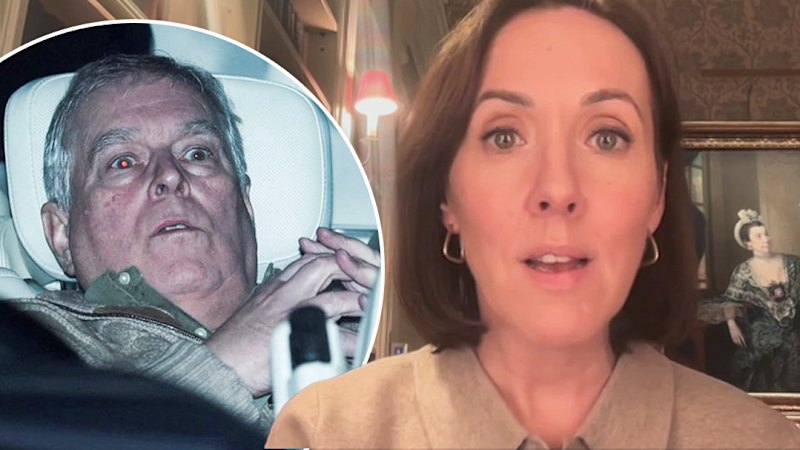
The arrest of Prince Andrew, also known as Andrew Mountbatten-Windsor, has sparked significant attention and controversy. In a recent analysis, Camilla Tominey, an Associate Editor at *The Telegraph*, delves into the aftermath of this high-profile incident and its implications for the British royal family. As Andrew returns to his home in Sandringham following his arrest, questions about his legal troubles and the broader impact on the monarchy continue to dominate public discourse.
Andrew’s legal woes stem from a 2019 civil lawsuit filed by Virginia Giuffre, who指控 he sexually assaulted her when she was underage, with Jeffrey Epstein acting as her handler. Despite initially winning the case in 2022, the New York State Court of Appeals overturned the ruling last year, allowing the legal proceedings to resume. This latest development has reignited public interest in Andrew’s past actions and his connection to Epstein, further tarnishing his reputation. The timing of his arrest, just days before Giuffre’s expected testimony at his civil trial, has led to speculation about how this could influence the case.
The fallout from Andrew’s arrest extends beyond legal proceedings; it has also cast a spotlight on the British monarchy itself. Public opinion in the UK and globally remains divided, with some calling for Andrew to step back from public life entirely. As he faces potential consequences for his actions, the royal family continues to navigate a PR crisis that has weakened trust in their institution. Camilla Tominey’s analysis highlights how this situation underscores broader challenges facing the monarchy in the modern era.
This story matters because it reflects the ongoing tension between tradition and accountability in institutions like the British monarchy. Andrew’s legal troubles and public image struggles serve as a microcosm of larger issues, including the need for transparency and ethical behavior from public figures. For readers interested in world news, this provides insight into how one individual’s actions can impact an entire institution’s reputation and influence.
In conclusion, Camilla Tominey’s exploration of Andrew Mountbatten-Windsor’s arrest offers a compelling look at the intersection of law, media, and monarchy. As Andrew faces potential consequences for his past actions, the broader implications for the British royal family and its image remain uncertain. This story will likely continue to evolve, making it a crucial topic for anyone following global news and the dynamics within one of the world’s most iconic institutions.
Verticals
worldaustralia
Originally published on Sydney Morning Herald on 2/20/2026