
Rumours are swirling once again around Intel ditching its hybrid P-core and E-core chip architectures for a single, 'unified core' design, although it looks like we might have a long wait yet
PC Gamer
by Andy Edser February 23, 2026
AI-Generated Deep Dive Summary
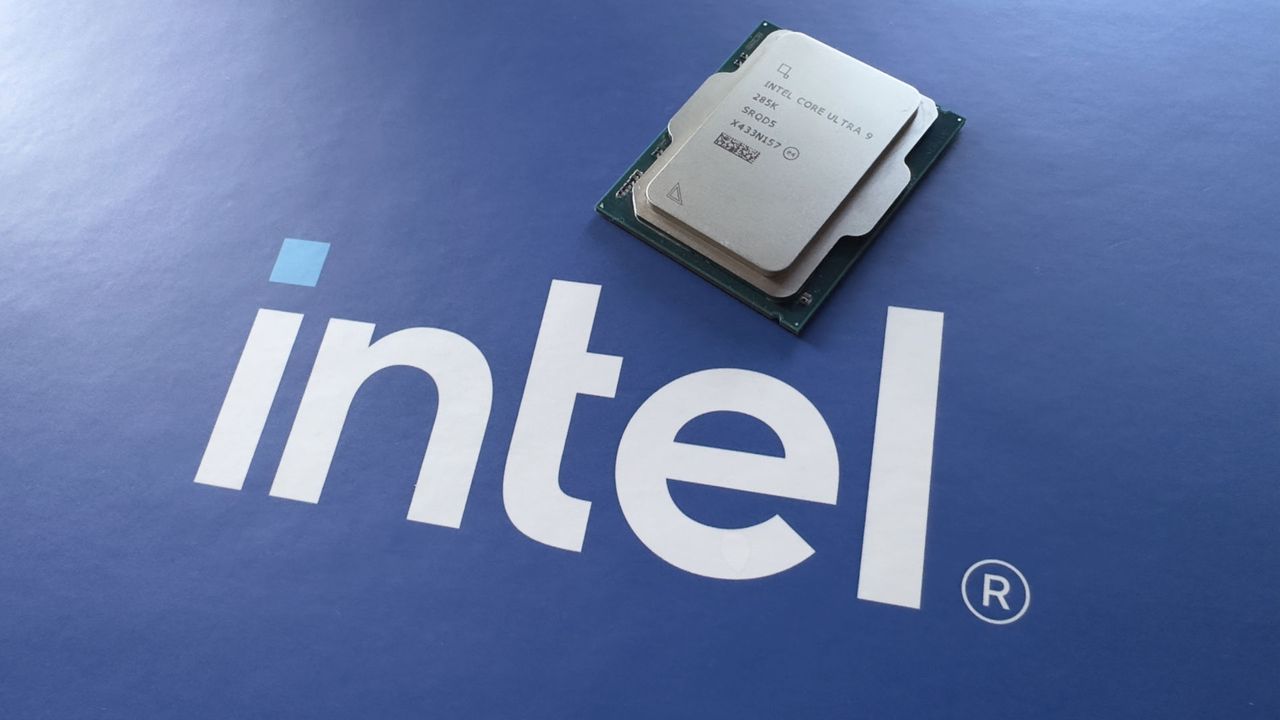
Intel is reportedly considering a significant shift in its processor design by moving away from its hybrid P-core and E-core architecture towards a unified single core design. This change, if implemented, would mark a departure from the segmented approach that has defined Intel's processors since the Alder Lake generation (12th Gen). The current architecture features Performance cores for heavy tasks and Efficient cores for lighter duties, as seen in chips like the Intel Core Ultra 9 285K. Rumors suggest that this hybrid design could be phased out in favor of a unified core, potentially starting with Intel's Titan Lake processors, which are expected to launch after 2028.
The idea behind a unified core is to simplify the architecture by eliminating the need to manage tasks across multiple core types. This could lead to improved efficiency and better performance per die space, though it may also introduce challenges in balancing high-performance and low-power tasks. Reports indicate that Intel is actively hiring for its Unified Core design team, signaling a commitment to this potential transition.
For gamers, this shift could have mixed implications. While a unified core might streamline processing and potentially reduce complexity in chip design, it remains unclear how this would affect gaming performance or efficiency. Gamers will likely be interested in whether the new architecture delivers better performance per watt or if it introduces any trade-offs that could impact their experience.
The timeline for such a transition appears lengthy, with some sources suggesting availability as early as 2028 and possibly extending into the late 2020s or beyond. This long wait period means that gaming hardware based on Intel's current hybrid architecture will likely remain dominant for several years. As the industry evolves, the success of a unified core design will depend on how effectively Intel can optimize it for both general-purpose computing and high-performance tasks like gaming.
In the meantime, gamers can expect continued advancements in processor technology under the existing hybrid model, which has proven effective for balancing power and efficiency. Whether Intel's unified core design will meet or exceed these capabilities remains to be seen, but it certainly represents a significant shift in the company's strategy that could shape the future of PC hardware.
Verticals
gamingpc
Originally published on PC Gamer on 2/23/2026