
Russia killed opposition leader Alexei Navalny using dart frog toxin, 5 European nations say
Times of India
by TOI WORLD DESKFebruary 14, 2026
AI-Generated Deep Dive Summary
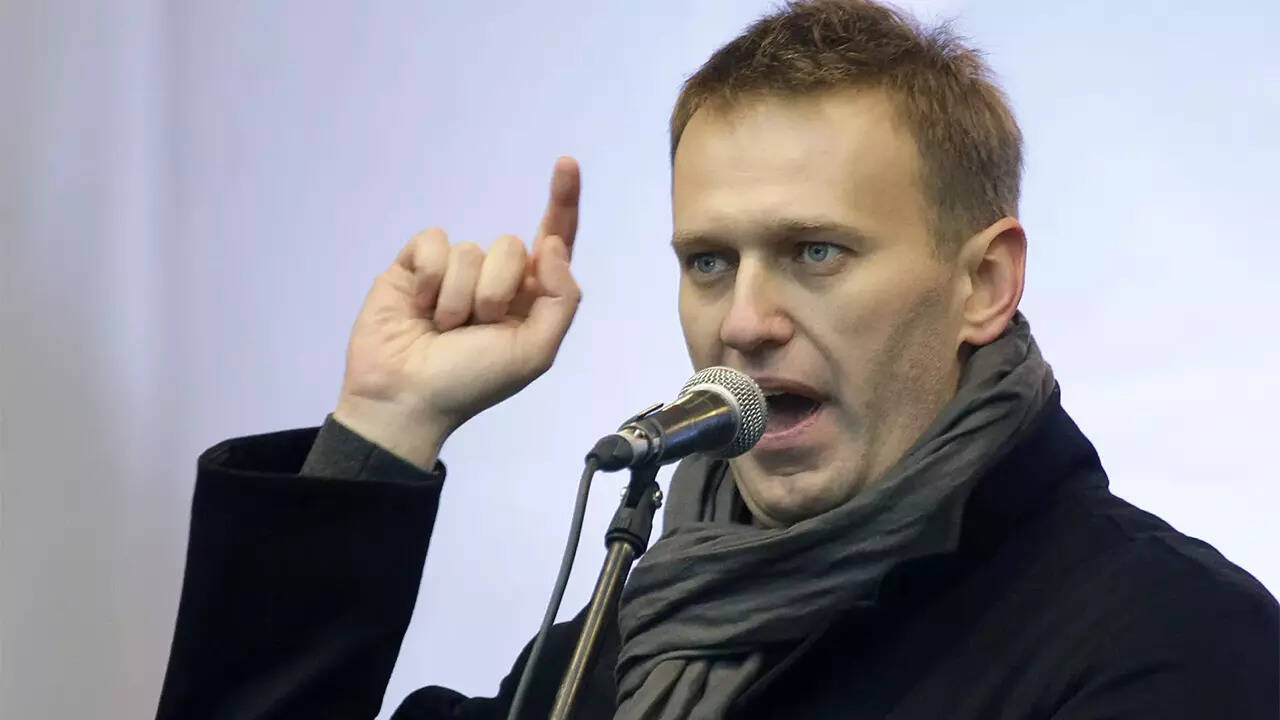
Five European countries have confirmed that Russian opposition leader Alexei Navalny was poisoned with a lethal toxin derived from South American poison dart frogs. In a joint statement, the foreign ministries of the UK, France, Germany, Sweden, and the Netherlands accused the Russian state of responsibility for his death. Laboratory tests revealed the presence of epibatidine—a powerful neurotoxin not naturally found in Russia—in samples taken from Navalny before his death in February 2024. The nations cited Russia's "means, motive, and opportunity" to carry out the poisoning and announced plans to report the matter to the Organisation for the Prohibition of Chemical Weapons (OPCW), accusing Moscow of violating the Chemical Weapons Convention.
Navalny, a prominent critic of Russian President Vladimir Putin, had been serving a 19-year prison sentence after being convicted in a politically motivated trial. He had previously survived a poisoning attempt in 2020 with a nerve agent he claimed was orchestrated by the Kremlin. Following treatment in Germany, he returned to Russia but was promptly re-arrested and imprisoned until his death. His widow, Yulia Navalnaya, has described his murder as a "science-proven fact," while Russian authorities continue to insist that Navalny's death was due to natural causes following a walk.
The European nations' accusations have heightened concerns over political repression in Russia and raised questions about the Kremlin's willingness to adhere to international chemical weapons agreements. British Foreign Secretary Yvette Cooper highlighted that Russia viewed Navalny as a threat, emphasizing the despicable tools at its disposal to silence opposition. The case has drawn global attention, with critics arguing it underscores Russia's pattern of targeting dissidents through toxic substances, as seen in previous incidents like the 2018 poisoning of Sergei Skripal.
This matter is significant for readers interested in global politics and human rights, as it highlights the ongoing tensions between Russia and Western democracies. The involvement of five European countries in accusing Russia underscores the international concern over alleged state-sponsored poisonings and the erosion of trust in Russian accountability. Navalny's death serves as a stark reminder of the dangers faced by political dissidents in authoritarian regimes and the lengths to which governments may go to eliminate opposition.
Verticals
worldasia
Originally published on Times of India on 2/14/2026