
SCOTUS vs POTUS: Who really runs America? A throwback to the (in)famous tug-of-wars
Times of India
by AASTHA JHAFebruary 22, 2026
AI-Generated Deep Dive Summary
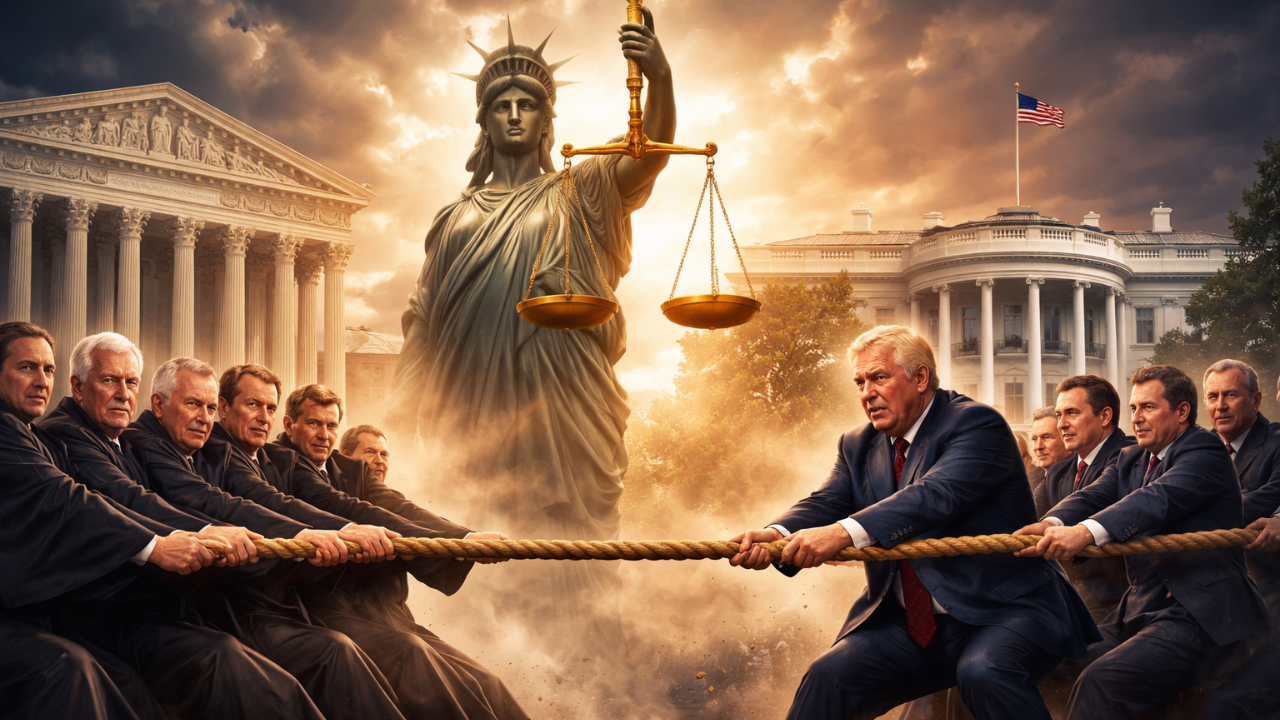
The clash between the executive branch and the Supreme Court has long been a defining feature of American governance, as seen in recent events involving President Donald Trump's tariffs and broader historical precedents. This tension dates back to key cases like Marbury v Madison (1803), where Chief Justice John Marshall established judicial review, reshaping the balance of power. More recently, Trump's imposition of global tariffs following a Supreme Court ruling highlights how presidents often test their authority, pushing boundaries while courts respond by upholding constitutional limits.
One notable example is Andrew Jackson's defiance in Worcester v Georgia (1832), where the Court ruled against state laws affecting Cherokee lands but lacked enforcement without presidential cooperation. Jackson's refusal to comply exposed the judiciary's reliance on executive branch support, underscoring the fragility of judicial authority when opposed by a determined president.
During the Civil War, Abraham Lincoln's suspension of habeas corpus and the Supreme Court's pushback in Ex Parte Milligan (1866) tested the limits of presidential power. The case questioned whether military tribunals could operate without Congress's authorization, sparking debates over civil liberties versus national security that resonate today.
These historical clashes illustrate a recurring theme: while courts interpret laws and challenge executive actions, their rulings depend on enforcement by the executive branch. This dynamic continues to shape U.S. governance and constitutional law, offering insights into how power is balanced in a democracy. Understanding these conflicts is crucial for global audiences interested in American political dynamics, as they reflect broader debates about权力制衡和法治原则
Verticals
worldasia
Originally published on Times of India on 2/22/2026