
'Scrap the deal': Rahul Gandhi dares PM Modi to abandon trade pact, repeats 'sold India' claim
Times of India
by TOI NEWS DESKFebruary 24, 2026
AI-Generated Deep Dive Summary
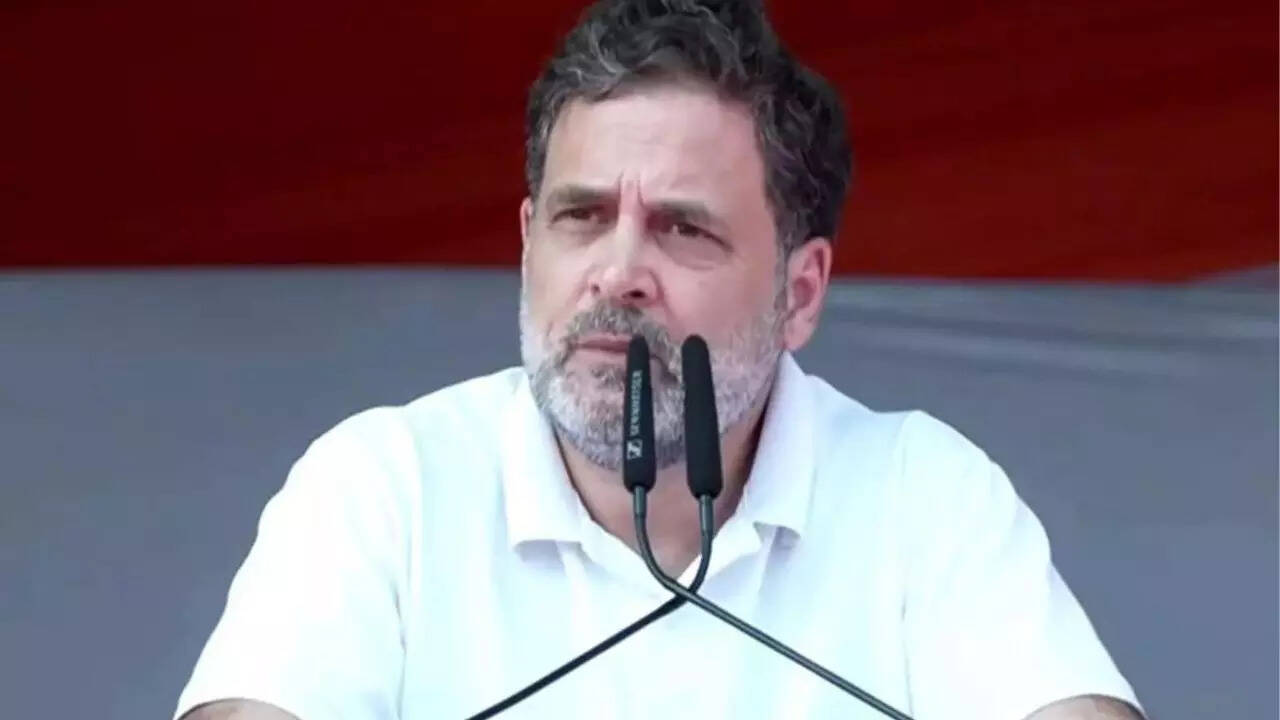
Rahul Gandhi has sharply criticized Prime Minister Narendra Modi over the India-US trade deal, calling it detrimental to Indian farmers and accusing Modi of rushing into the agreement for personal and political reasons. Speaking at a farmers' rally in Bhopal, Gandhi described the deal as an "arrow piercing the hearts of Indian farmers" and challenged Modi to scrap it following a US Supreme Court ruling against Trump-era tariffs. He alleged that Modi finalized the deal without consulting his Cabinet, claiming it was influenced by individuals like Union Minister Hardeep Puri and industrialist Gautam Adani, whom Gandhi referred to as key figures in the BJP's financial network.
Gandhi further accused Modi of being "compromised" and "trapped," suggesting that Modi’s decision to sign the trade deal with Trump was influenced by external pressures. He claimed that Modi’s actions were driven by a desire to protect his political allies, including Adani, who faces criminal charges in the US. Rahul also alleged that Modi’s government fabricated a false excuse about an attempted attack on him during a parliamentary session to cover up Modi’s decision to call Trump and finalize the deal without proper deliberation.
The Congress leader’s remarks come amid ongoing tensions between the ruling NDA and opposition parties over economic policies and international agreements. Gandhi’s accusations add another layer of political drama to an already contentious issue, with implications for India’s trade relations and domestic politics. The debate highlights the broader challenges of balancing national interests with international partnerships, a concern that resonates globally as countries navigate complex geopolitical landscapes.
This controversy underscores the delicate balance of power and influence in Indian politics, where personal allegations and accusations often overshadow policy decisions. For readers interested in global affairs, the situation offers insight into how internal political dynamics can impact international trade agreements and relationships. The ongoing tensions between Modi and Gandhi also reflect deeper divisions within India’s political landscape, with significant implications for the country’s future policies and international standing.
Verticals
worldasia
Originally published on Times of India on 2/24/2026