
Self-styled China doctors nabbed for performing ‘bloodletting therapy’ to ‘remove’ evil energy
South China Morning Post
by Fran LuFebruary 24, 2026
AI-Generated Deep Dive Summary
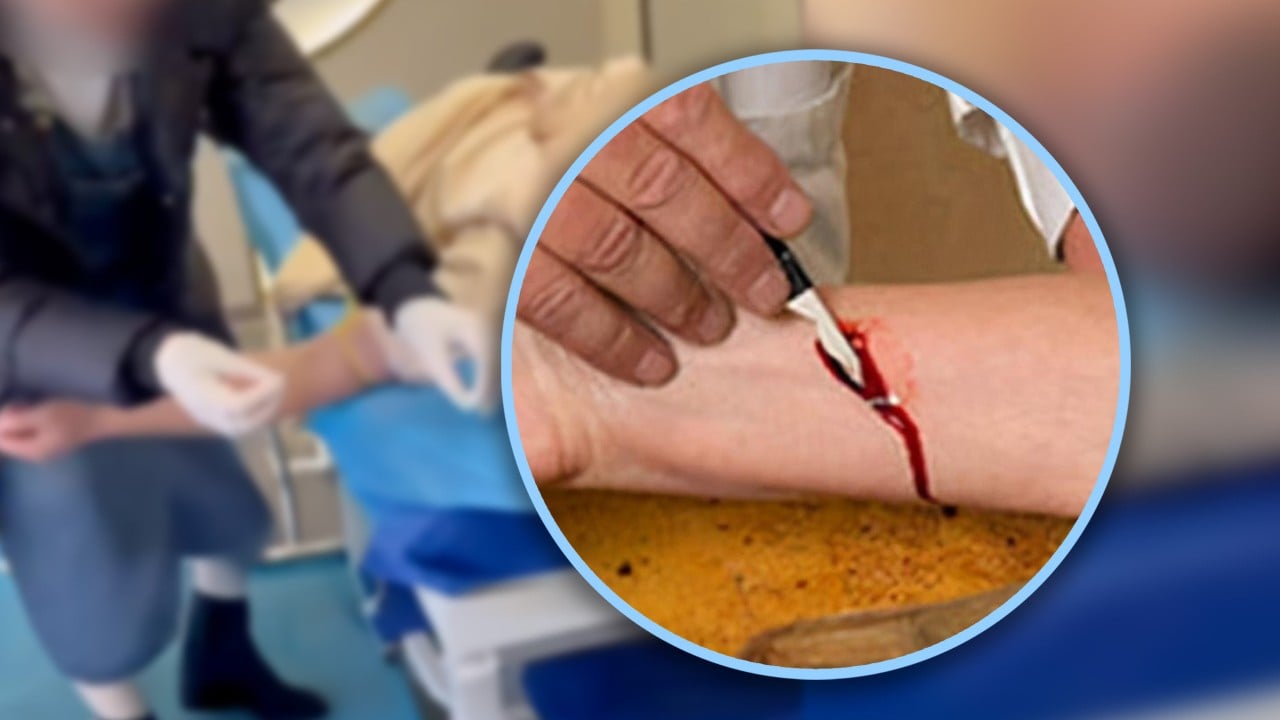
The Shanghai authorities have dismantled a group of self-proclaimed doctors who practiced an unconventional "bloodletting therapy," claiming it could eliminate so-called "evil energy" from individuals. The therapy, which involved inserting needles into patients' arms to draw blood, was captured in a video released by Shanghai TV that quickly went viral on social media. The footage showed three unlicensed practitioners performing the procedure on a man, with blood pooling on the floor as they allegedly aimed to cleanse him of negative forces.
This incident has raised significant concerns about alternative medical practices and their potential risks. The self-styled doctors, who lacked proper medical licenses, claimed that their therapy could cure various ailments by removing "evil energy" from the body. While they reassured the patient during the procedure, the practice itself is highly unconventional and poses serious health dangers, including infection, blood loss, and improper medical intervention.
The case highlights the growing trend of alternative therapies in China and around the world, often blending traditional beliefs with modern practices. However, it also underscores the importance of regulating such treatments to ensure public safety and prevent harm. The Shanghai authorities have emphasized the need for licensed medical professionals to carry out procedures, especially those involving blood extraction, to avoid potential risks.
The incident has sparked broader discussions about the clash between traditional healing methods and evidence-based medicine. While some view alternative therapies as complementary to conventional healthcare, others argue that unregulated practices can lead to serious consequences. This particular case serves as a cautionary tale, reminding the public of the importance of seeking medical treatment from qualified professionals.
Ultimately, this story matters because it sheds light on the intersection of cultural beliefs, alternative medicine, and public health safety. It challenges readers to think critically about the sources of their healthcare and the potential risks associated with unverified treatments. As alternative therapies gain popularity globally, cases like these underscore the need for education, regulation, and awareness to protect individuals from harm.
Verticals
worldasia
Originally published on South China Morning Post on 2/24/2026