
Seoul gains from Tokyo’s pain over Lunar New Year as politics reshapes China’s tourism map
South China Morning Post
by Yeon Woo Lee,Alice LiFebruary 24, 2026
AI-Generated Deep Dive Summary
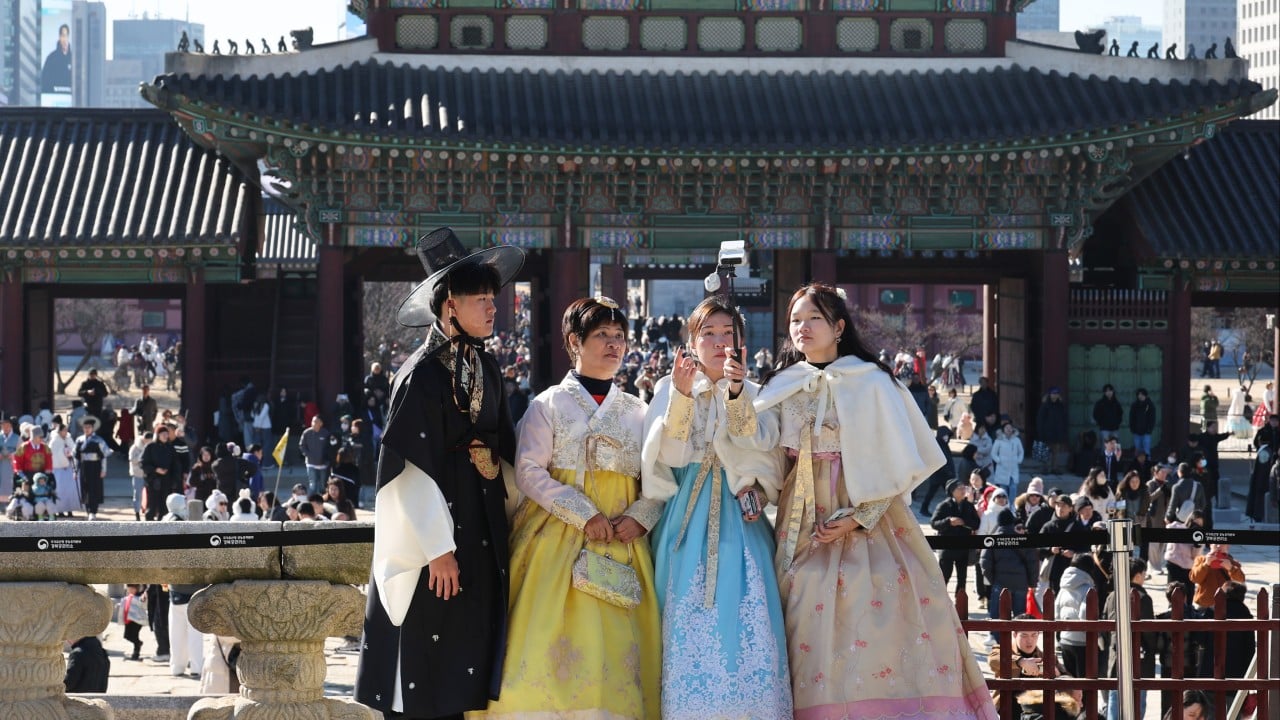
South Korea is seeing a surge in tourism as tensions rise between China and Japan, with travelers like Tang Junjie shifting their plans amid political turmoil. The young traveler from Sichuan province initially planned to visit Japan during China's extended Lunar New Year break but found his itinerary disrupted by deteriorating relations between the two nations. Instead of heading to Japan, he opted for South Korea as an alternative destination, reflecting a broader trend among Chinese tourists seeking safer and more politically stable travel options.
The strain in Sino-Japanese relations stems from ongoing disputes over territorial issues and historical grievances, which have led to diplomatic spats and mutual mistrust. This has created uncertainty for travelers planning trips to Japan, with many opting for alternative destinations like South Korea. The Lunar New Year holiday, the longest on record in China, typically sees a massive influx of tourists looking to travel domestically and internationally. However, geopolitical tensions have redirected some of this traffic toward neighboring countries like South Korea.
South Korea is strategically positioned as a popular transit hub for travelers heading to Japan, but the current situation has presented an opportunity for the country to attract more visitors directly. This shift in tourism dynamics highlights how political factors can reshape travel patterns and consumer behavior. As Chinese tourists seek alternatives to Japan, South Korea stands to benefit economically, with increased hotel bookings, restaurant visits, and overall spending contributing to its tourism revenue.
The broader implications of this trend underscore the interconnectedness of politics and economics in global travel. Countries like South Korea are not only benefiting from the geopolitical tensions but also demonstrating their ability to adapt and capitalize on shifting tourist preferences. For readers interested in world affairs, this story illustrates how international relations can influence everyday decisions, such as where people choose to vacation, and how that impacts economies and cultural exchanges.
In a broader sense, this phenomenon reflects the growing importance of Asia as a global tourism hub and the delicate balance countries must strike between political rivalries and economic interests. As tensions continue to evolve, the dynamics of travel and trade in the region will likely remain a focal point for both policymakers and travelers alike.
Verticals
worldasia
Originally published on South China Morning Post on 2/24/2026