
Share where risky oysters are from, authorities urged after food poisoning cases
South China Morning Post
by Ng Kang-chung,Theodora YuFebruary 14, 2026
AI-Generated Deep Dive Summary
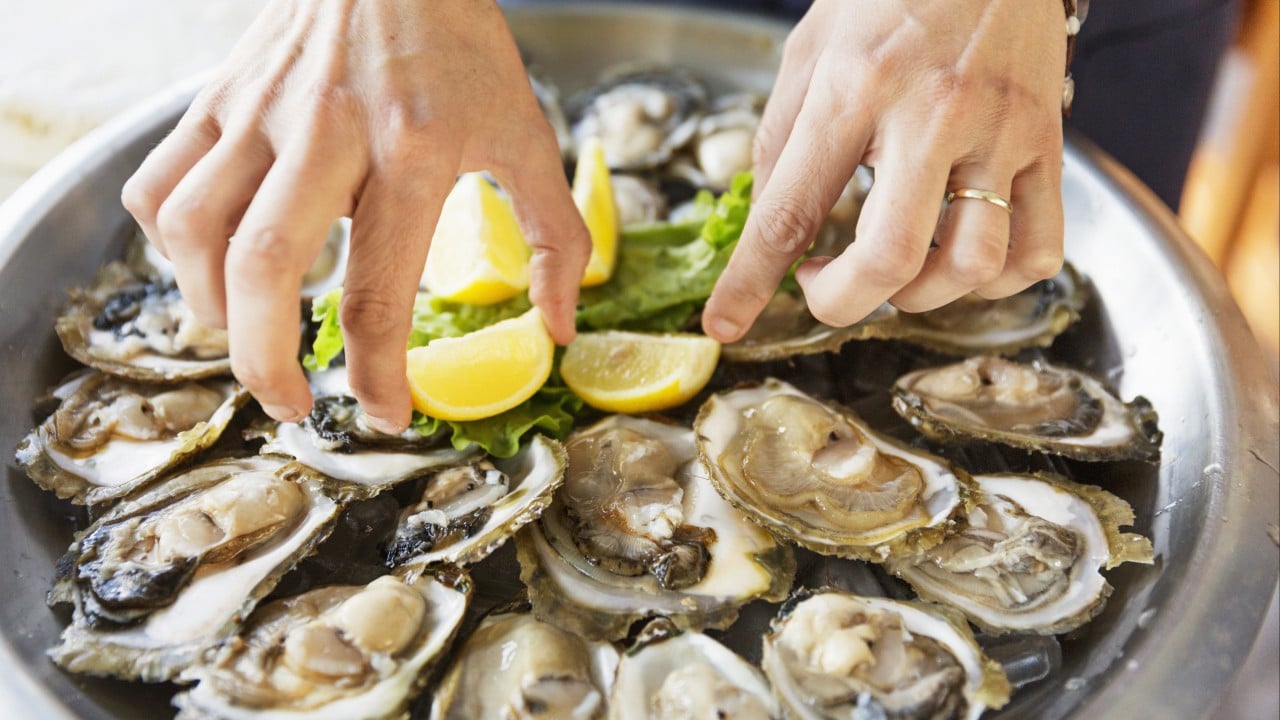
Hong Kong restaurant operators are calling on authorities to clearly identify the origins of oysters linked to recent food poisoning cases caused by norovirus. With Lunar New Year approaching—a peak season for oyster consumption—restaurants worry that the lack of clear information is harming their business as demand drops. Some diners have stopped eating raw oysters altogether, mistakenly believing all oysters are unsafe.
The issue gained attention after 13 out of 37 norovirus-related food poisoning cases were traced to Korean imports. Restaurants report that consumers are now favoring oysters from European markets over Asian ones, particularly avoiding Korean-sourced oysters. Health officials have advised against eating raw seafood during winter months, as it poses higher risks of foodborne illnesses.
Restaurants emphasize the importance of clear communication from authorities. "Hong Kong people love eating oysters," said Wilson Lau, director of an oyster restaurant in Yuen Long. "But without clarity, we're all being tarred with the same brush." The Centre for Food Safety confirmed that some patients had consumed multiple types of oysters from markets including South Korea, Spain, France, Japan, and Ireland.
This situation highlights the delicate balance between public health advisories and their economic impact. While transparency is crucial, it must be carefully managed to avoid unnecessary panic and protect livelihoods in the food industry. Authorities are urged to provide accurate information so consumers can make informed choices while ensuring that businesses are not unfairly penalized.
Verticals
worldasia
Originally published on South China Morning Post on 2/14/2026