
She tried to fix the Liberals’ women problem. Now she’s quitting the party
Sydney Morning Herald
by Natassia ChrysanthosFebruary 15, 2026
AI-Generated Deep Dive Summary
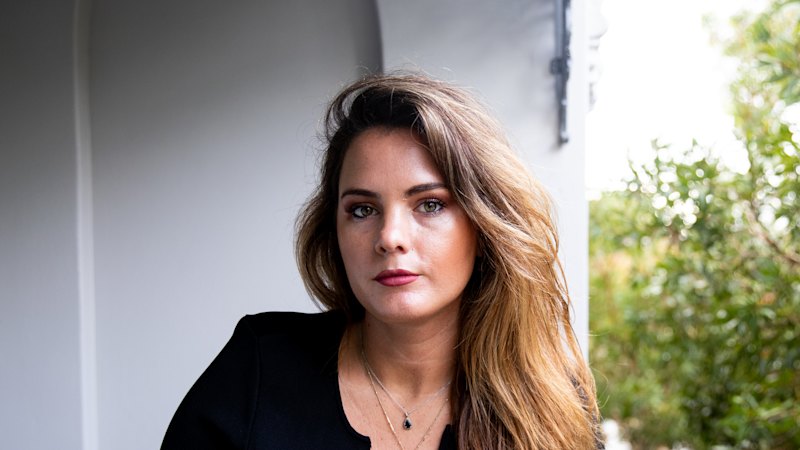
The founder of Hilma’s Network, Charlotte Mortlock, has resigned from both her role as executive director and the Liberal Party following the recent ousting of Sussan Ley, the party’s first female leader. Mortlock’s departure comes amid growing dissatisfaction within the party over its handling of women’s representation and leadership opportunities. Her exit underscores the broader challenges the Liberal Party faces in addressing gender imbalance and fostering inclusivity within its ranks.
Mortlock established Hilma’s Network four years ago to address the underrepresentation of women in the Liberal Party, particularly after the 2022 election loss under Prime Minister Scott Morrison. However, her decision to step down reflects the broader fallout from Ley’s short tenure as leader and the party’s failure to implement meaningful reforms for women. This includes a recent rejection by the NSW branch of proposed gender quotas, which Mortlock had helped draft with other Liberal women.
The resignation highlights the deepening divide within the party over how to attract and retain female members. Independent MP Allegra Spender noted that the party’s lack of responsiveness to such initiatives contributes to its declining appeal among women voters. The Liberals have struggled to meet their target of 50% female representation, with only a third of MPs being women in the lower house and even fewer in leadership roles.
The timing of Mortlock’s departure coincides with internal conflicts over Ley’s leadership, which ended when she was replaced by Jane Hume in a ballot following Andrew Taylor’s challenge. While many MPs cited performance issues as the reason for Ley’s removal, supporters argue that gender played a role in her treatment, further eroding trust in the party’s commitment to equality.
This situation matters because it signals a broader危机 for the Liberal Party’s reputation among women voters and within its own membership. With women increasingly seeking representation from other parties, such as Labor, the Liberals risk losing their ability to influence policy and lead on critical issues affecting Australian women. Mortlock’s decision to leave is a stark reminder of the work still needed to make the party truly representative and inclusive.
Verticals
worldaustralia
Originally published on Sydney Morning Herald on 2/15/2026