
Short-term loan dependence puts Pakistan’s economic stability at risk
Times of India
by TOI BUSINESS DESKFebruary 14, 2026
AI-Generated Deep Dive Summary
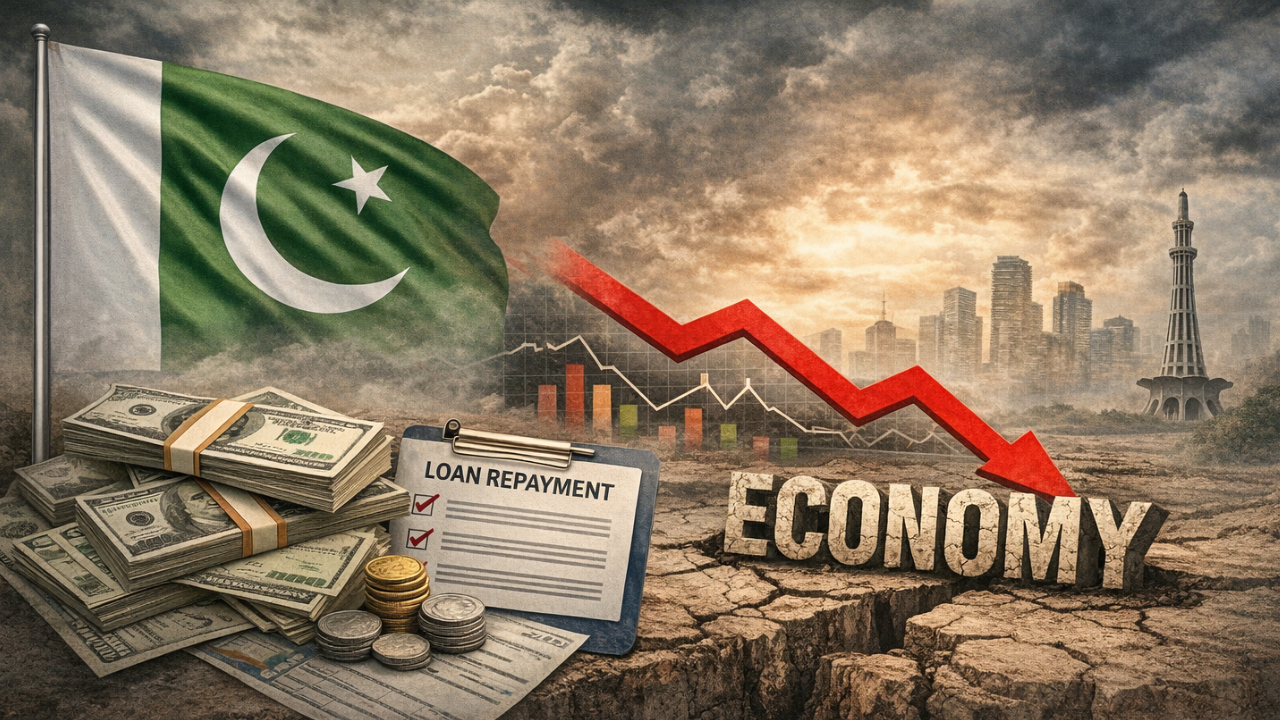
Pakistan’s economic stability is under threat due to its heavy reliance on short-term foreign loans, according to business leaders and economists. The country faces significant challenges as it struggles with repayment obligations, despite its foreign reserves growing to $21 billion in January 2026. Experts warn that this improvement is too dependent on temporary support from international institutions and friendly nations, which may not be sustainable long-term. Raja Waseem Hassan, vice chairman of the Pakistan Industrial and Traders Associations Front (PIAF), has called for urgent negotiations with friendly countries to secure longer repayment periods and alleviate pressure on foreign exchange reserves.
Pakistan’s trade performance remains concerning, with exports at $32 billion in FY25 while imports continue to outpace export earnings. Dr. Saleem Ahmed, a senior economist, emphasized that Pakistan cannot rely indefinitely on short-term rollovers and deposits. He highlighted the need for sustained economic growth of 5-6% annually to stabilize its debt-to-GDP ratio, which currently stands at around 70%. This level of growth is critical to ensuring long-term economic stability.
The country’s economic prospects are further complicated by modest growth projections. The IMF predicts 3.6% GDP growth for FY26, while the State Bank of Pakistan projects a slightly higher range of 3.75-4.75%. However, strict monetary policies aimed at curbing inflation— which dropped from its peak of 38% in 2023—have slowed industrial growth and business lending. These measures have created a delicate balance between controlling inflation and fostering economic expansion.
Experts recommend focusing on export-oriented sectors like textiles, IT, and agricultural processing to boost economic resilience. Additionally, improving tax collection, reducing energy waste, and enhancing remittances—which are expected to reach $42 billion in FY26—could provide much-needed economic relief. Increasing foreign direct investment beyond its current annual level of $1.5-2 billion is also crucial to reducing dependence on external borrowing.
While Pakistan’s strategic military importance has helped strengthen diplomatic ties with Gulf states and the United States, economic strength remains vital for long-term stability. Hassan stressed that without strong economic buffers and self-reliance
Verticals
worldasia
Originally published on Times of India on 2/14/2026