
Snakes on a plane, skinks in the post: The slippery and growing problem of animal smuggling
Sydney Morning Herald
by Grant McArthurFebruary 14, 2026
AI-Generated Deep Dive Summary
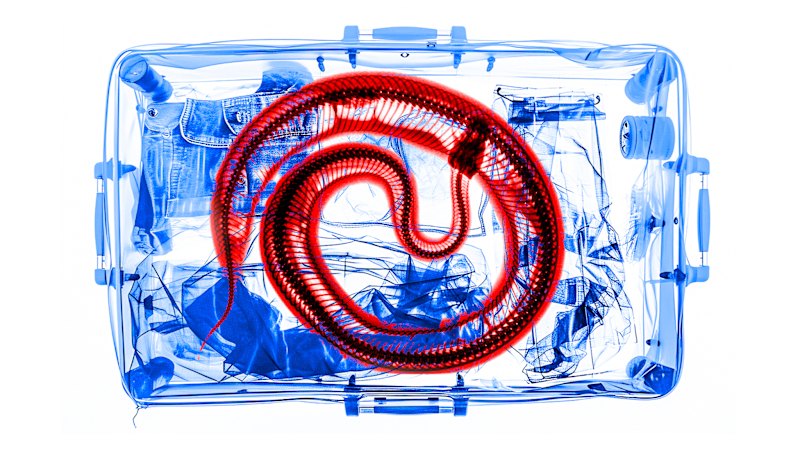
The illegal trade of Australian native animals, particularly rare reptiles like blue-tongue skinks and snakes, has surged in recent years, driven by organized crime syndicates cashing in on a booming black market. This lucrative industry, valued at $32 billion annually, ranks as the fourth-largest illegal market globally, behind only drugs, counterfeiting, and human trafficking. While enforcement efforts have increased, with authorities seizing over 1,100 trafficked animals last year alone, experts estimate that only one in ten smuggling attempts are detected, allowing criminals to profit wildly.
The problem is particularly acute for Australia’s unique wildlife, which fetches high prices on international black markets. Reptiles such as blue-tongue skinks and rare snakes are frequently targeted, with destinations including Hong Kong, Romania, South Korea, and Sri Lanka. Smugglers employ creative—and often disturbing—methods to transport these animals, including hiding them in toys, boots, electrical goods, or even bags of popcorn. Despite these efforts, authorities have made significant strides in cracking down on wildlife traffickers through operations like "Operation Django" and collaborations with law enforcement agencies.
The stakes are high: the illegal trade threatens biodiversity by decimating animal populations, risks Australia’s biosecurity, and undermines conservation efforts for species already at risk of extinction. Recent cases highlight the severity of the issue—such as a record-breaking
Verticals
worldaustralia
Originally published on Sydney Morning Herald on 2/14/2026