
‘So much tariff coming in’: Trump floats $2,000 direct payments to Americans without Congress approval
Times of India
by TOI BUSINESS DESKFebruary 23, 2026
AI-Generated Deep Dive Summary
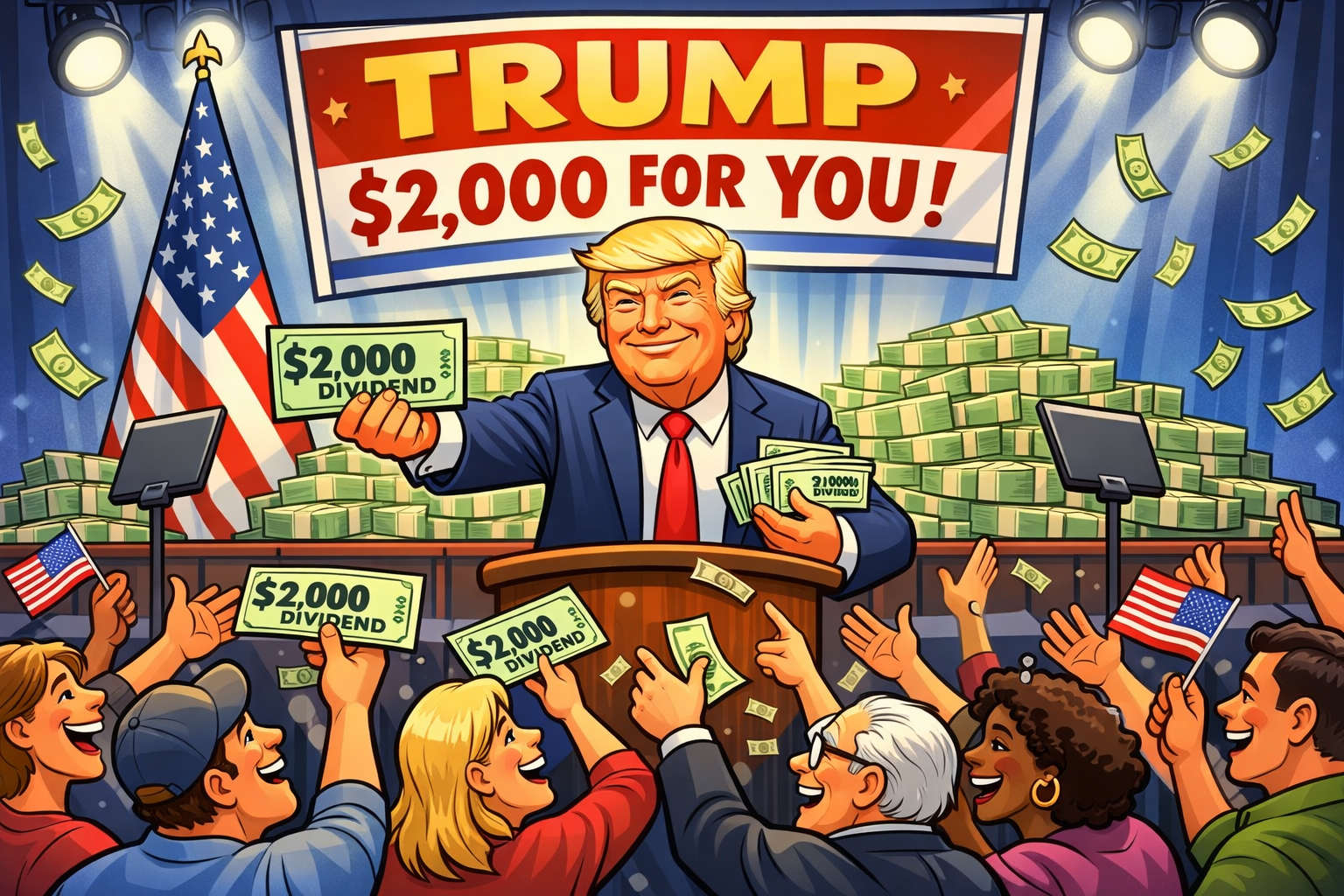
US President Donald Trump has proposed providing direct payments of $2,000 to Americans, funded through tariff revenues, potentially bypassing congressional approval. He claims the strong collections from tariffs have created a surplus that could allow for these payments while also helping to reduce the national debt. However, this plan faces significant challenges following a Supreme Court ruling that invalidated certain tariffs, including those related to Trump's "Liberation Day" measures. The court ruled 6-3 in *Learning Resources, Inc. vs Trump* that Trump exceeded his authority under the International Emergency Economic Powers Act (IEEPA) in imposing these tariffs. This decision could result in refunds of over $175 billion in tariff collections, according to economists.
The Supreme Court’s decision marks a major blow to Trump’s aggressive trade policies and raises questions about the feasibility of his proposed $2,000 payments. Despite the ruling, Trump has moved to adjust his approach, increasing global tariffs to 15% under Section 122 of the Trade Act, which allows the president to impose duties to address balance-of-payments deficits. Trump had initially floated the idea of tariff-funded rebates last year as a way to help households应对rising living costs, but the legal challenges and financial implications now cast doubt on whether this plan can be implemented.
The situation highlights the ongoing tensions between executive authority and judicial oversight in shaping US trade policy. While Trump has sought to frame his tariff increases as legally compliant, critics argue that the court’s ruling limits his ability to unilaterally impose tariffs without congressional approval. This争议 underscores the broader debate over the extent of presidential power in international trade and economic policies.
For readers interested in global economics and US-China relations, this development is significant. It not only impacts the future of Trump’s tariff-based initiatives but also raises questions about the long-term viability of using tariffs as a tool for domestic economic relief. The outcome of these legal and policy battles will have far-reaching implications for trade negotiations, national debt management, and the overall direction of US economic strategy.
Verticals
worldasia
Originally published on Times of India on 2/23/2026