
'Some of the cracks had penetrated through': Chinese astronauts reveal new details about spacecraft that…
Space.com
by Leonard David February 24, 2026
AI-Generated Deep Dive Summary
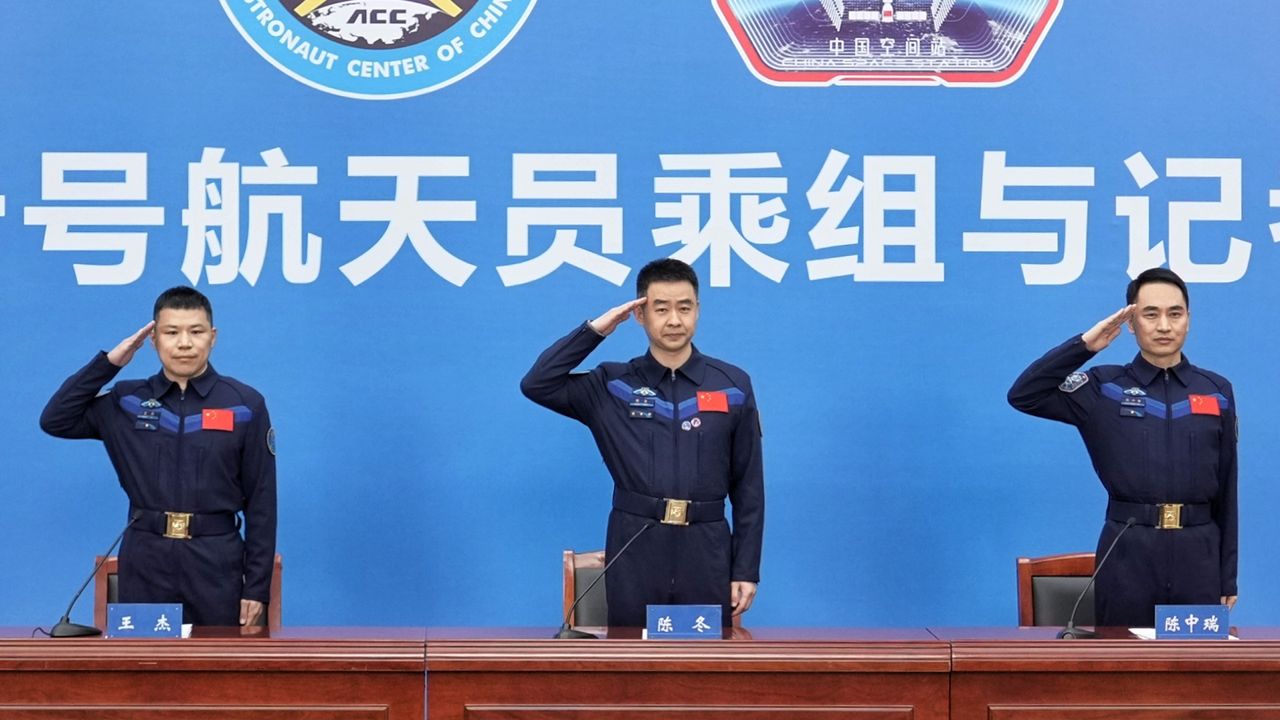
China's Shenzhou-20 astronauts faced an unexpected challenge during their mission when they discovered small cracks in the viewport of their spacecraft, forcing a delay in their return to Earth. Commander Chen Dong first noticed the damage while preparing for re-entry, initially suspecting it might be a leaf but quickly realizing the cracks were caused by space debris. Despite this, the crew remained calm, with Wang Jie noting that multiple protective layers ensured their safety. Ground teams sprang into action, postponing the original return plan and instead launching an uncrewed Shenzhou-22 spacecraft to deliver supplies and tools to address the issue. The crew safely returned using the Shenzhou-21 vehicle, while the problematic capsule was later brought back unmanned.
The incident marked China's first emergency response in its human spaceflight program, showcasing the country's ability to adapt and ensure astronaut safety. Ground experts analyzed the situation, prioritizing crew well-being by postponing the mission and deploying a backup spacecraft within days. The astronauts used available tools on the Tiangong Space Station, including a microscope connected to a tablet, to document the cracks and assess the damage.
This event highlights the critical importance of robust safety protocols and contingency planning in space exploration. While space debris poses a growing threat to missions, China's prompt response demonstrated its commitment to astronaut safety. The success of the emergency operation underscores the nation's advancing capabilities in human spaceflight, particularly in managing unforeseen challenges in orbit. For readers interested in space, this story illustrates how even minor issues can lead to significant operational changes and the importance of preparedness in ensuring mission success.
Verticals
spacescience
Originally published on Space.com on 2/24/2026