
Some Tai Po fire survivors doubtful over government’s ‘unfair’ rehousing plan
South China Morning Post
by Emily HungFebruary 23, 2026
AI-Generated Deep Dive Summary
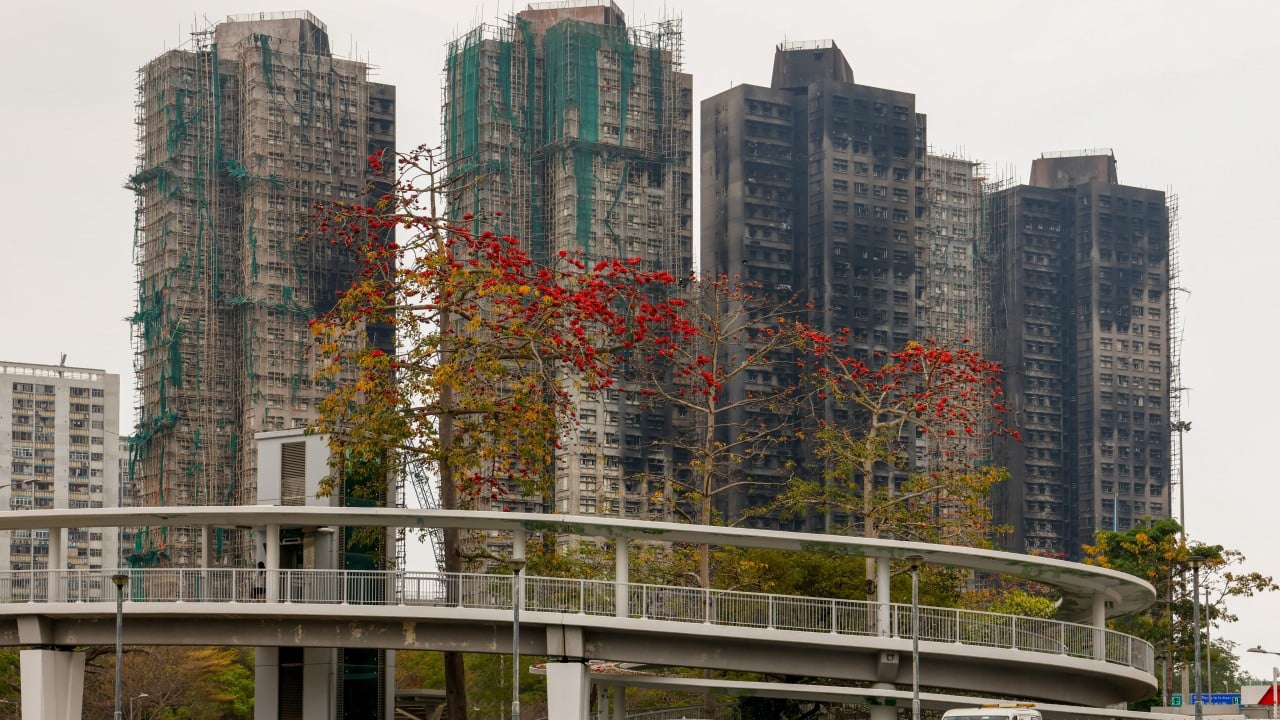
Hong Kong’s Tai Po fire survivors are expressing skepticism over the government's rehousing plan, which offers HK$6.8 billion (US$870 million) for a flat buy-back and subsidized housing options. Many residents prefer in situ redevelopment, citing concerns about an unfair flat selection process that could leave their families with smaller homes. They have urged the government to provide clearer guidelines on how new homes will be allocated, as they feel the current timeline forces them to commit without knowing the specifics of what’s being offered.
Under the proposal, homeowners must indicate their choice by August 31, with those signing provisional agreements by June 30 prioritized for September's flat selection. Some residents, like a 40-year-old named Mr. Fong, have criticized this approach, calling it a "blind commitment." He questioned how they can commit to a provisional agreement without knowing which flats are available and whether alternatives would be provided if they are dissatisfied with the options. This lack of clarity has left many feeling uncertain about the fairness of the process.
Additionally, residents who choose a cash buyout over the "flat-for-flat exchange" option have expressed concerns about being priced out of the secondary market. They worry that demand for housing could drive prices beyond their means, forcing them to pay out of pocket. This financial uncertainty has added to the overall skepticism surrounding the government’s plan.
The situation highlights broader issues of trust and fairness in government rehousing policies, particularly in the context of disaster recovery and urban redevelopment. It also underscores the importance of clear communication and transparency in such processes to ensure that affected residents feel heard and protected. For readers interested in global affairs, this story reflects challenges faced by governments worldwide in balancing public needs with financial constraints while maintaining trust and equity in their policies.
Verticals
worldasia
Originally published on South China Morning Post on 2/23/2026