
'Starfleet Academy''s latest episode reminds us why the Doctor is one of 'Star Trek's greatest…
Space.com
by Richard Edwards February 26, 2026
AI-Generated Deep Dive Summary
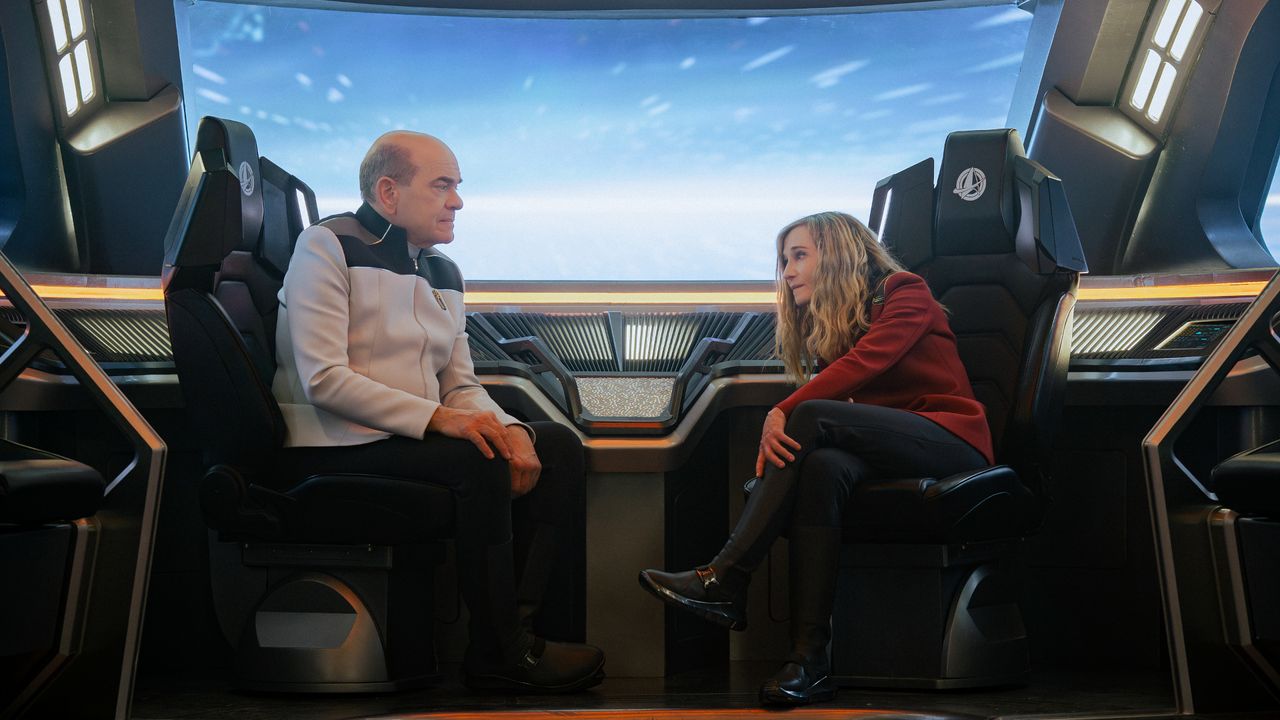
'Voyager's Emergency Medical Hologram (EMH) stands out as one of the most memorable and beloved characters in *Star Trek* history, evolving far beyond his initial programming to become a cherished figure in science fiction. Created as a backup doctor for the USS Voyager, the EMH was designed by Dr. Lewis Zimmerman and initially intended as a utilitarian tool. However, he quickly transcended his role as a mere medical assistant, showcasing a unique blend of humor, empathy, and an outsider's perspective on humanity. His journey from a rigid holographic program to a fully realized character highlights one of the most satisfying arcs in *Star Trek* lore.
The EMH's development was anything but ordinary. He began as a replacement for Voyager's deceased chief medical officer, Dr. Rudolph Larek, and initially operated with the clinical precision typical of his programming. Over time, he displayed an unexpected ability to adapt and grow, mirroring other iconic *Star Trek* characters like Spock, Data, and Odo—outsiders who explored humanity through a distinctly non-human lens. This evolution was further cemented by his personal interests, such as his passion for opera and the creation of his holo-novel *Photons be Free*, which allowed him to delve deeper into human experiences.
Actor Robert Picardo's journey with the EMH added another layer to the character's complexity. Initially skeptical about the role, Picardo saw it as a dull opportunity until he realized the potential for depth within the hologram's programming. The EMH became more than just a doctor; he grew into a mentor figure, guiding characters like Seven of Nine through their own journeys of self-discovery. His ability to evolve and take on new roles, such as instructing cadets in *Star Trek: Prodigy* and *Starfleet Academy*, underscores his enduring relevance.
The EMH's legacy lies in his
Verticals
spacescience
Originally published on Space.com on 2/26/2026