
Stone Age burial ground reveals deep family trees
Popular Science
by Margherita BassiFebruary 23, 2026
AI-Generated Deep Dive Summary
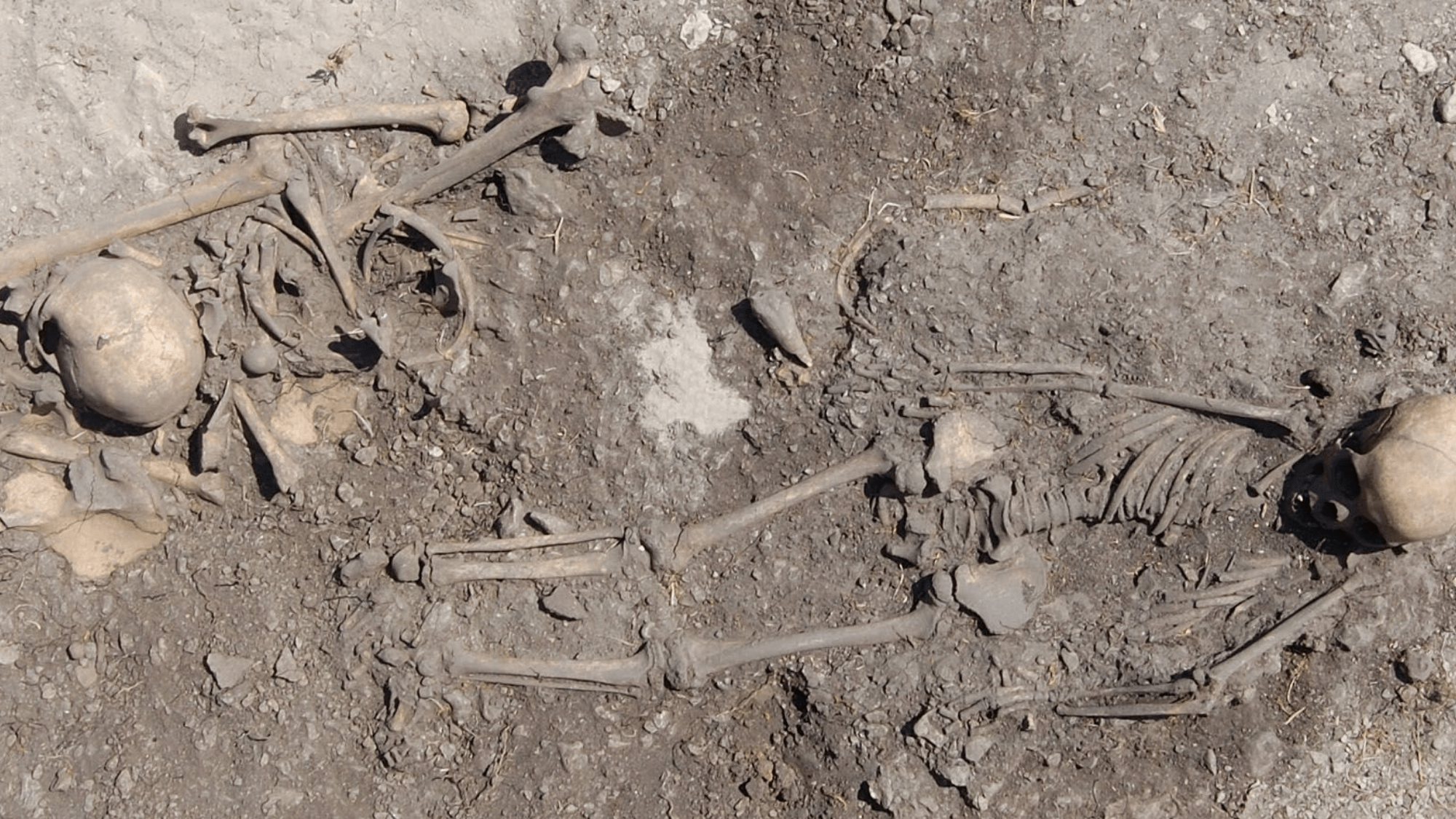
A groundbreaking study of DNA from a Stone Age burial site in Sweden has revealed that individuals buried together were often extended family members rather than immediate relatives. Researchers analyzed remains from eight shared graves at the Ajvide archaeological site on Gotland, dating back 5,500 years ago, and discovered unexpected familial connections. While some graves contained full siblings or parent-child pairs, others showed relationships like cousins or great-aunts, challenging previous assumptions about Stone Age burial practices.
The study, published in *Proceedings of the Royal Society B Biological Sciences*, utilized DNA analysis to determine the sex of individuals and their genetic relationships. For example, one grave held a 20-year-old woman alongside two children who were full siblings, with the woman likely being their aunt or half-sister. Another grave contained a young girl buried next to her adult father, whose remains had originally been elsewhere. These findings suggest that Stone Age hunter-gatherers had an intricate understanding of family lineages and valued extended family ties in their social structures.
The team also examined four additional graves, identifying relationships such as third-degree relatives (cousins or great-grandparents) and exploring gender roles through DNA markers. This research not only sheds light on the social organization of ancient hunter-gatherer cultures but also challenges the rarity of preserved Stone Age burial sites, which typically limits genetic studies. By analyzing over 70 individuals from the site, the researchers hope to uncover more details about life histories, migration patterns, and burial practices in early societies.
This study is significant for readers interested in archaeology and genetics, as it provides new insights into how family ties and social structures functioned in prehistoric times. The findings underscore the complexity of Stone Age societies and their deep understanding of genealogical connections. By revisiting these ancient traditions, modern researchers can better understand human migration, cultural evolution, and the role of extended families in early communities.
Verticals
sciencetech
Originally published on Popular Science on 2/23/2026