
Stones, chains and a whistle: this is a show of surprising connections
Sydney Morning Herald
by Andrew Fuhrmann, Cameron Woodhead, Jessica Nicholas, Nadia Bailey, Marcus TeagueFebruary 19, 2026
AI-Generated Deep Dive Summary
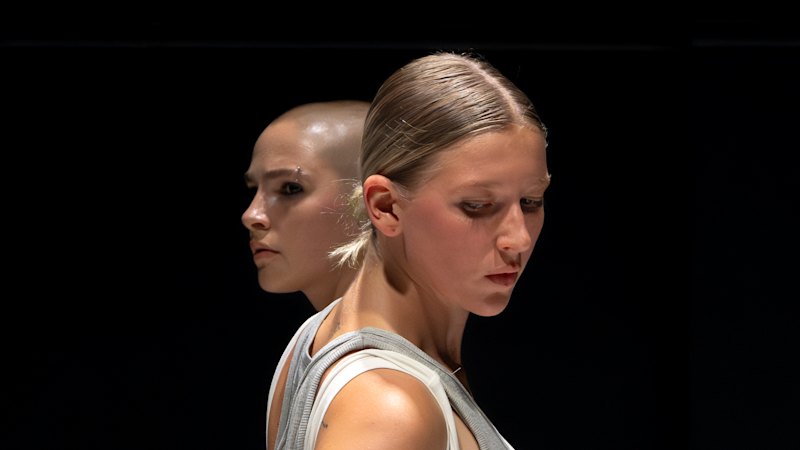
Stones, chains, and a whistle are unexpected elements at Dancehouse, where two unique performances captivate audiences with their contrasting yet equally compelling approaches to dance. *Never Are*, a solo piece by Emma Riches, explores movement in reverse, creating a calming yet thought-provoking experience. Starting with slow, deliberate backward walks, Riches builds layers of movement and vocal fragments that challenge traditional forward progress. Her performance is both meditative and theatrical, blending simplicity with depth. Meanwhile, *Sync Well*, created by Gemma Sattler and Molly McKenzie, immerses viewers in a world of water-inspired themes, using objects like stones and a whistle to symbolize connections between earth and body. The duo’s intricate choreography and stillness highlight the beauty of messiness and leakage, leaving audiences to ponder the subtleties of human interaction.
The performances at Dancehouse are part of a broader cultural landscape that reflects Australia’s evolving artistic identity. *Never Are* challenges conventional storytelling by focusing on process rather than outcome, inviting viewers to reflect on themes like progress and stagnation. Riches’ use of vocal elements adds another layer of complexity, turning simple words into meaningful fragments that mirror the dance itself. In contrast, *Sync Well* delves into the primal imagery of water and its ability to connect or disconnect, using sound and stillness to evoke emotions tied to both comfort and chaos.
Meanwhile, at Malthouse Theatre, *Black Light* offers a powerful exploration of family, identity, and resistance. Jada Alberts’ play follows three generations of Larrakia women navigating the aftermath of an extreme weather event, blending domestic drama with existential themes. The production highlights the cyclical nature of revolution—both as motion and as rebellion against colonial legacies. Central to this narrative is the role of traditional knowledge, carried by the elderly Nan (Trisha Morton-Thomas), who embodies resilience and resistance. The play’s layered approach, combining naturalism with poetry, creates a rich tapestry of conflict and solidarity, urging audiences to reflect on Australia’s colonial past and present.
These works matter because they
Verticals
worldaustralia
Originally published on Sydney Morning Herald on 2/19/2026