
Stop staring at screens so much. Here’s how.
Popular Science
by Justin PotFebruary 22, 2026
AI-Generated Deep Dive Summary
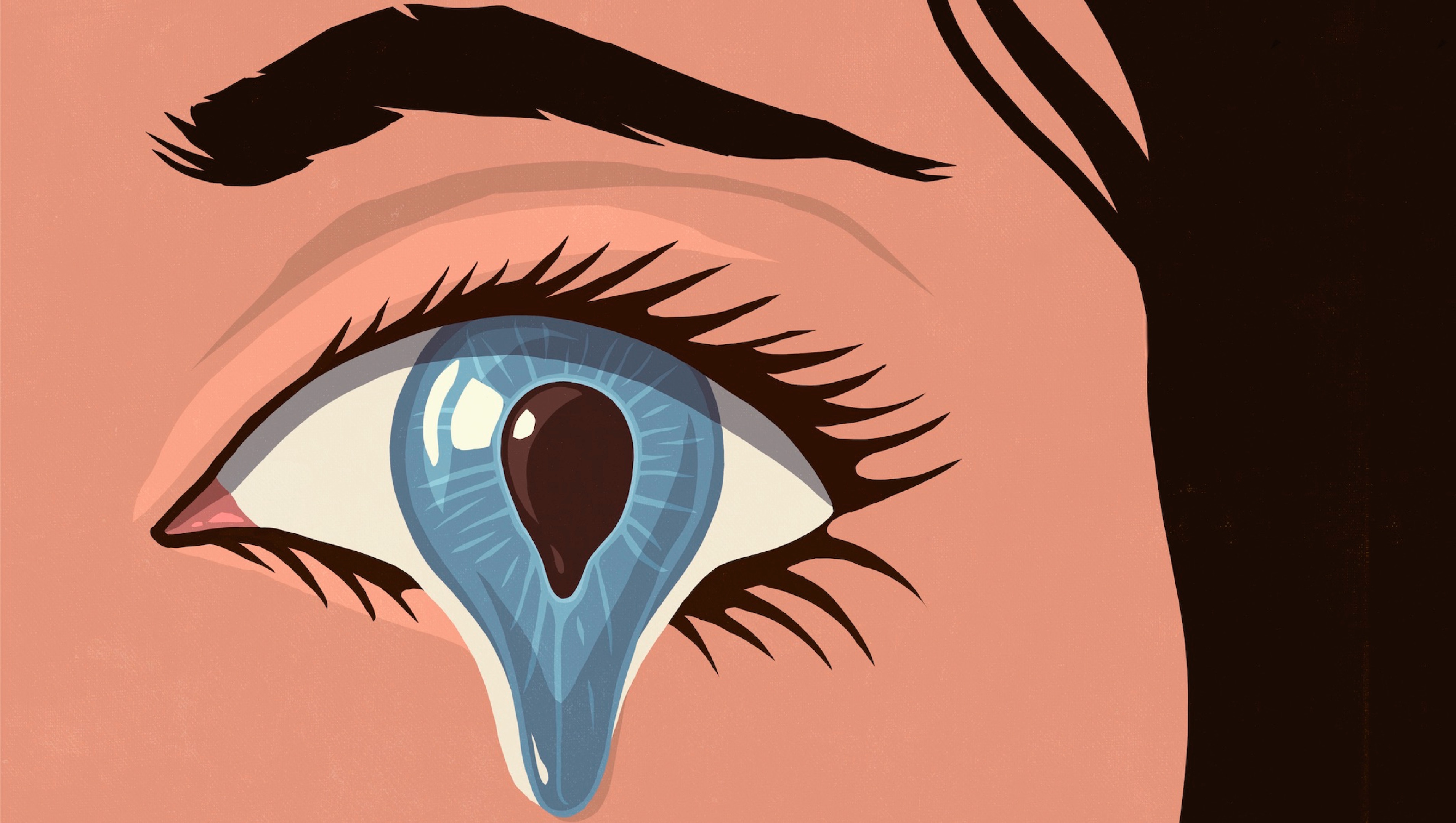
Staring at screens for extended periods can lead to discomfort and dryness in your eyes, often referred to as digital eye strain. The American Academy of Ophthalmology explains that reduced blinking is a primary cause, as people blink about half as often when looking at screens compared to normal conditions. This habit contributes to symptoms like dryness, itching, blurred vision, and headaches. While the long-term effects remain uncertain, the immediate discomfort from digital eye strain is very real and worth addressing.
According to a 2022 study by Kirandeep Kaur and colleagues, factors contributing to digital eye strain include poor lighting, screen glare, incorrect viewing angles, and posture. These issues can worsen symptoms, making it essential to adjust your environment for better eye health. The study also highlights the importance of regular breaks to reset focus and blinking rates.
The CDC recommends taking a 20-second break every 20 minutes by looking at something 20 feet away. This simple practice can significantly reduce eyestrain. Additionally, limiting screen time to four hours daily, maintaining proper lighting, and wearing glasses instead of contacts during long sessions are effective strategies. Software tools like Stretchly can also help remind users to take regular breaks, offering flexibility in timing and duration.
For those concerned about eye health, understanding the science behind digital eye strain is crucial. While more research is needed to determine if screen time causes permanent damage, addressing these issues now can prevent discomfort and potentially protect long-term eye health. Implementing these tips not only improves comfort but also supports overall well-being in our increasingly screen-dependent world.
Verticals
sciencetech
Originally published on Popular Science on 2/22/2026