
Supreme Court dismisses plea seeking pan-India curb on Babur-named mosques
Times of India
by TOI NEWS DESKFebruary 20, 2026
AI-Generated Deep Dive Summary
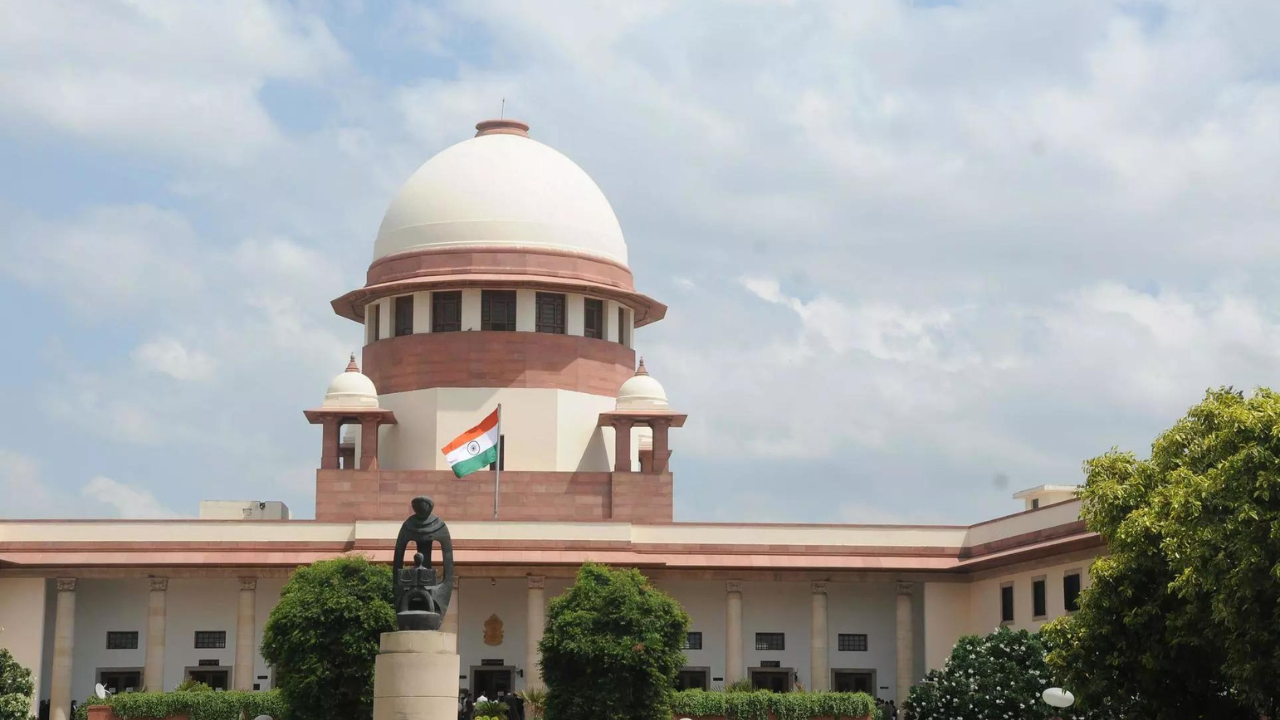
The Supreme Court of India dismissed a plea seeking restrictions on the construction of mosques named after Mughal emperor Babur. The petitioner argued that such mosques should not be built in India, as Babur was an anti-Hindu invader. A bench headed by Justices Vikram Nath and Sandeep Mehta rejected the matter after brief submissions from the petitioner's counsel, who highlighted concerns over a mosque being constructed in Murshidabad named Babri Masjid despite historical tensions.
The case gained attention due to Jan Unnayan Party chief Humayun Kabir, a former Trinamool Congress MLA, who laid the foundation stone for the mosque in December 2023. Kabir emphasized constitutional rights to build places of worship and dismissed legal challenges as inconsequential, stating that Allah would protect the construction. He also announced plans to establish a hospital and university alongside the mosque, aiming to benefit the local population.
This development underscores broader debates over historical representation and religious freedom in India. The court's dismissal reflects its commitment to upholding constitutional provisions guaranteeing the right to build places of worship. Meanwhile, Kabir's actions highlight the complex interplay between politics, religion, and community identity, particularly in regions with significant Muslim populations like West Bengal. The case also raises questions about how historical figures are commemorated in modern India, balancing cultural heritage with contemporary sensitivities.
Verticals
worldasia
Originally published on Times of India on 2/20/2026