
Taiwan arms deals may be first to fall through as result of political deadlock
South China Morning Post
by Lawrence ChungFebruary 24, 2026
AI-Generated Deep Dive Summary
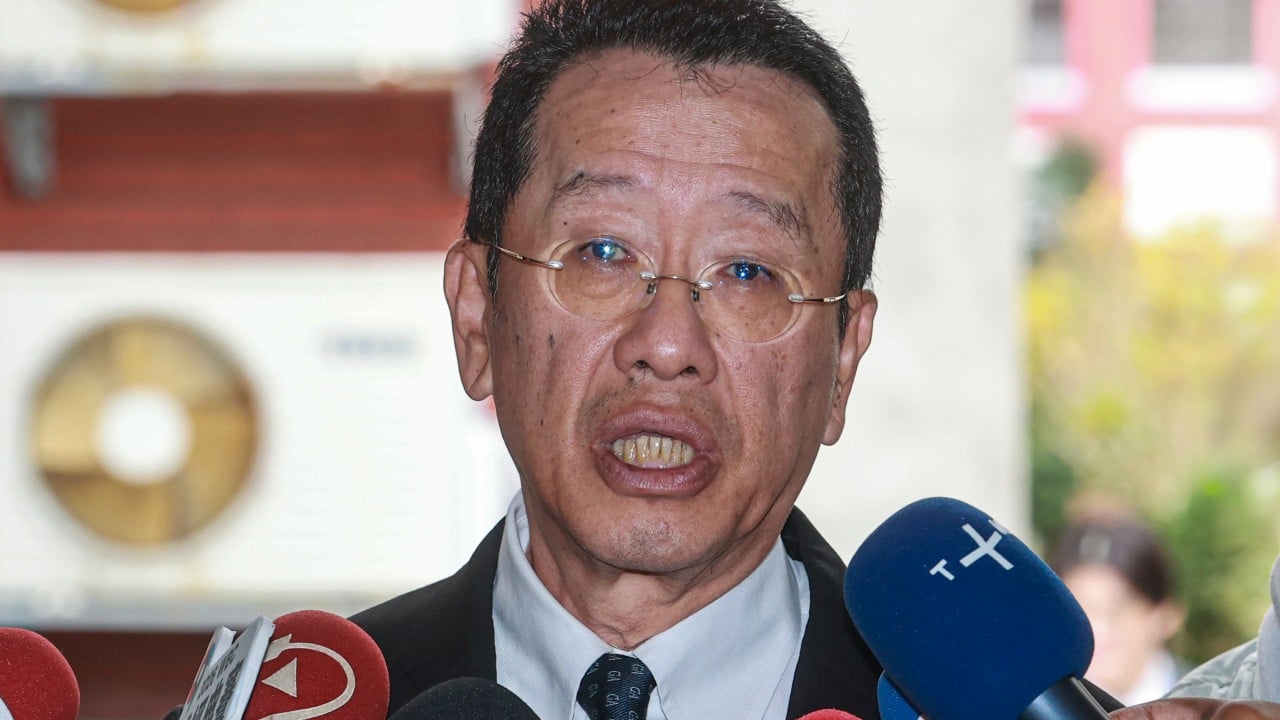
Taiwan faces a potential first in its history: missing out on crucial US arms deals due to legislative gridlock rather than external hesitation. Defence Minister Wellington Koo Li-hsiung has called on opposition lawmakers to approve a $40 billion defence budget before March 15, when three major arms agreements with the US will expire. These deals include purchases of M109A7 self-propelled howitzers and Javelin and Tow anti-tank missiles. Failure to secure legislative authorisation could undermine Taiwan’s reputation for maintaining its defense capabilities, according to Su Tzu-yun, a senior analyst at the Institute for National Defence and Security Research. This delay could also push Taiwan further back in the queue for critical military systems, as other approved buyers like Bahrain and Norway move ahead with their procurement plans.
The situation highlights the growing tension between Taiwan’s political factions over defence spending. While the US has consistently supported Taiwan’s arms acquisitions to bolster its defensive capabilities against China, this case marks a shift in dynamics. For the first time, it is internal political divisions rather than external factors that could derail these deals. Experts warn that missing this window would not only weaken Taiwan’s military readiness but also signal a lack of commitment to self-defense in the eyes of international partners.
Taiwan’s ability to secure these arms deals is crucial for maintaining its strategic edge in the region, particularly as tensions with China remain high. The delay underscores the challenges of balancing political priorities with national security needs. If the budget is not approved in time, Taiwan could face significant delays in acquiring critical defence systems, leaving it more vulnerable. This situation also raises questions about how other nations view Taiwan’s reliability as a partner and ally in the Asia-Pacific region.
Ultimately, the outcome of this legislative battle will have far-reaching implications for Taiwan’s defense capabilities and its relationship with the US and global partners. The stakes are high: not only does it affect Taiwan’s ability to defend itself, but it also impacts perceptions of its commitment to regional stability and security. As time runs out, the pressure is on lawmakers to act swiftly to avoid a historic lapse in defence preparedness.
Verticals
worldasia
Originally published on South China Morning Post on 2/24/2026