
Taiwan seeks clarity after US Supreme Court upends Trump’s tariff powers
South China Morning Post
by Lawrence ChungFebruary 23, 2026
AI-Generated Deep Dive Summary
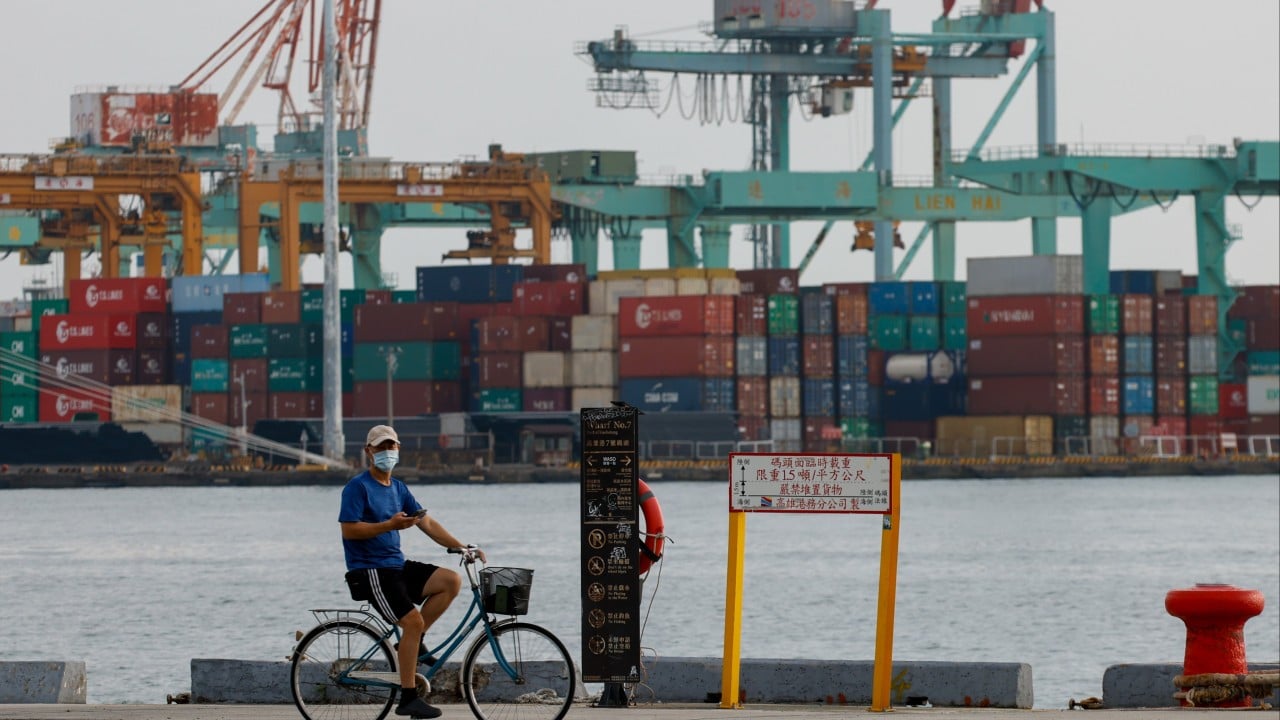
Taiwan is scrambling for clarity after the U.S. Supreme Court invalidated former President Donald Trump’s tariff authority, raising uncertainty over its trade agreements with Washington. The court’s ruling has prompted Taiwan to seek further understanding from the U.S. regarding how the new legal framework under Section 122 of the U.S. Trade Act of 1974 will affect existing trade exemptions and preferential treatment policies. While officials emphasize that previously agreed investment and trade arrangements remain intact, concerns linger about whether these agreements will hold if Washington relies on a different statutory basis for future tariffs.
The legal shift has cast doubt over Taiwan’s ability to maintain its favorable trade status, particularly under Section 232 of the U.S. Trade Expansion Act of 1962, which allows the U.S. president to impose tariffs deemed necessary for national security and grant exemptions to key partners. Taiwanese Premier Cho Jung-tai confirmed that Taipei has already reached out to Washington to “understand the legal pathways” behind the new tariff policy. This proactive approach aims to ensure that Taiwan’s trade benefits under existing agreements are preserved.
The situation highlights the broader implications of the Supreme Court ruling, which not only affects U.S.-Taiwan relations but also raises questions for other countries relying on similar trade frameworks with the U.S. As Taiwan navigates this uncertain terrain, its actions underscore the importance of clear communication and legal clarification in maintaining international trade agreements.
This development is significant for global trade dynamics, as it challenges the stability of existing trade partnerships and prompts a reevaluation of how future tariffs and exemptions will be handled under shifting legal frameworks. For readers interested in world affairs, this case illustrates the delicate balance of power and legal interpretation in international trade
Verticals
worldasia
Originally published on South China Morning Post on 2/23/2026