
Takaichi’s anti-China stance won’t bolster Japan’s security
South China Morning Post
by Peter T. C. ChangFebruary 13, 2026
AI-Generated Deep Dive Summary
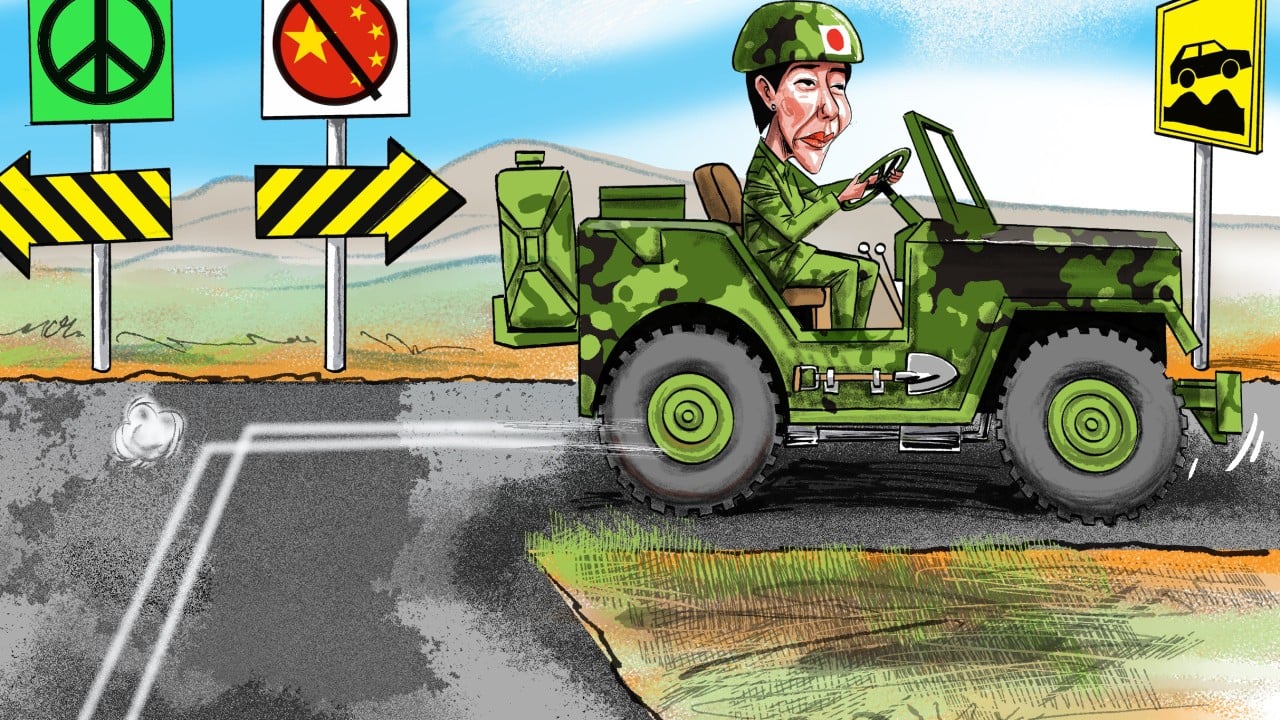
Japanese Prime Minister Sanae Takaichi’s overwhelming electoral victory signals a concerning shift toward nationalism and away from Japan’s post-war pacifist values, raising questions about the country’s security strategy in an evolving global order. Takaichi’s win has been interpreted as a move to the right, with his administration likely to prioritize military expansion and greater defense spending. This shift comes amid growing tensions between Japan and China, particularly over issues like Taiwan and territorial disputes in the East China Sea. Critics argue that abandoning Japan’s long-standing pacifist constitution could undermine regional stability and strain relations with both the United States and its neighbors.
Takaichi’s anti-China stance has been a central theme of his campaign, positioning him as a strong defender of Japanese sovereignty. However, experts warn that aligning too closely with U.S. foreign policy and adopting a more confrontational approach toward China could backfire. Japan’s security in the post-American world order would require maintaining its pacifist constitution, which has historically underpinned its role as a responsible global actor. The recent admission by Canadian Prime Minister Mark Carney at the World Economic Forum highlighted the inherent flaws in the U.S.-led international system, suggesting that even close allies like Canada have recognized the need for a more equitable approach to global governance.
The implications of Takaichi’s leadership extend beyond Japan’s borders, with potential reverberations across Asia and the broader international community. As the world grapples with
Verticals
worldasia
Originally published on South China Morning Post on 2/13/2026