
The controversial tax break driving down carbon emissions for the first time since COVID
Sydney Morning Herald
by Mike Foley, Nick ToscanoFebruary 24, 2026
AI-Generated Deep Dive Summary
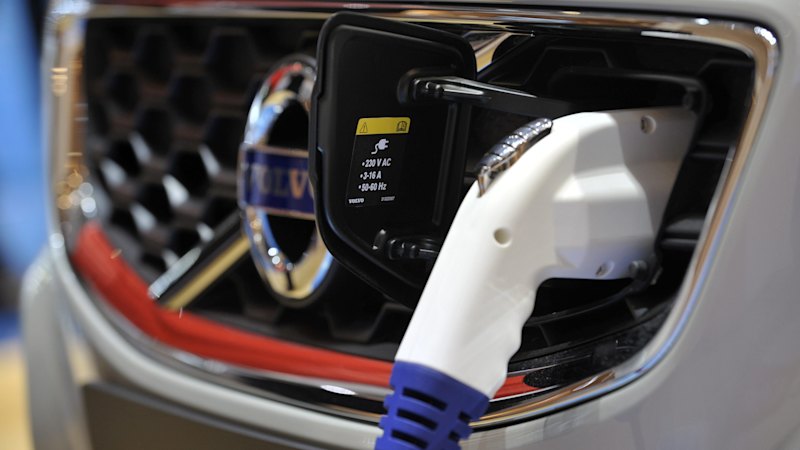
A recent decline in carbon emissions in Australia’s transport sector marks a significant milestone, with electric vehicles (EVs) playing a pivotal role in reversing years of rising pollution. For the first time since the COVID-19 pandemic, greenhouse gas emissions from transportation dropped by 0.4% over the year to September 2025, driven largely by reduced petrol consumption due to increased EV adoption. This shift aligns with broader trends in Australia’s green energy transition, where renewable energy sources like wind and solar are increasingly outcompeting fossil fuels.
The rise in EV sales has been remarkable, tripling over the past three years to account for 13% of all new car sales in 2025. This surge is partly attributed to government tax incentives, such as fringe-benefit tax discounts for leasing EVs, which have made clean vehicles more accessible and affordable for many Australians. These policies have contributed to a broader reduction in national emissions, with overall greenhouse gas levels down by 1.9% over the year.
However, achieving long-term climate goals will require sustained efforts. Australia aims to reduce emissions by 43% by 2030 and at least 62% by 2035, compared to 2005 levels. To meet these targets, experts estimate that nearly half of all new car sales in the next decade must be electric, translating to approximately 9 million EVs on the road by 2035. Despite progress, challenges remain, particularly as two major coal-fired power plants are set to close over the next four years, potentially complicating efforts to transition away from fossil fuels.
The debate over EV subsidies has intensified, with critics arguing that continuing generous tax breaks is essential to meet climate targets. While the federal government’s policies have boosted EV adoption, some voices, including the Productivity Commission, suggest scaling back these incentives could hinder progress. The Electric Vehicle Council warns that reducing subsidies now risks derailing Australia’s efforts to achieve its ambitious emissions reduction goals.
This shift in transport sector emissions highlights a broader global trend toward prioritizing clean energy and sustainable transportation. For readers interested in global climate efforts, Australia’s experience underscores the potential of policy-driven transitions in challenging sectors like transportation, offering insights into how incentives and innovation can drive meaningful environmental change.
Verticals
worldaustralia
Originally published on Sydney Morning Herald on 2/24/2026