
The Democrats Have a Fraud Problem | RealClearPolitics
RealClearPolitics
by Ruy Teixeira, SubstackFebruary 20, 2026
AI-Generated Deep Dive Summary
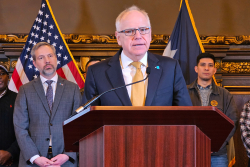
The Democrats are grappling with a significant issue of welfare fraud, which has the potential to resonate politically much like it did during the Reagan era. The recent scandal in Minnesota, involving hundreds of millions of dollars in fraudulent welfare claims, has led to the downfall of Governor Tim Walz. This incident raises questions about whether such abuses can be exploited for broader political impact today, mirroring the conservative movement's rise in the 1970s and '80s.
Historically, concerns over misuse of government programs have been a potent tool for political mobilization. The Minnesota case, where fraudulent activity contributed to increased costs and strained resources, has already had significant consequences for the state’s Democratic leadership. This parallels earlier instances where welfare fraud fueled conservative backlash against perceived liberal overreach.
The implications for national politics are profound. Welfare fraud scandals often become rallying points for opponents of expansive social programs, casting doubt on their effectiveness and fostering skepticism among voters. If leveraged effectively, such issues could shift public opinion and influence policy debates, potentially undermining Democratic efforts to uphold or expand welfare initiatives.
This matter is particularly relevant in today’s political climate, where economic anxieties and distrust in government are prevalent. Voters may view fraud as a failure of oversight and accountability, further eroding trust in leadership. For Democrats, addressing such scandals will be crucial to maintaining their base and countering Republican attacks on welfare programs.
Ultimately, the Minnesota case serves as a cautionary tale
Verticals
politicsnews
Originally published on RealClearPolitics on 2/20/2026