
The director of the first Assassin's Creed with naval battles found it 'bizarre' to watch Skull and Bones' agonisingly long development, because it was 'essentially the same stuff re-shipping 14 years after we made it'
PC Gamer
by Fraser Brown February 24, 2026
AI-Generated Deep Dive Summary
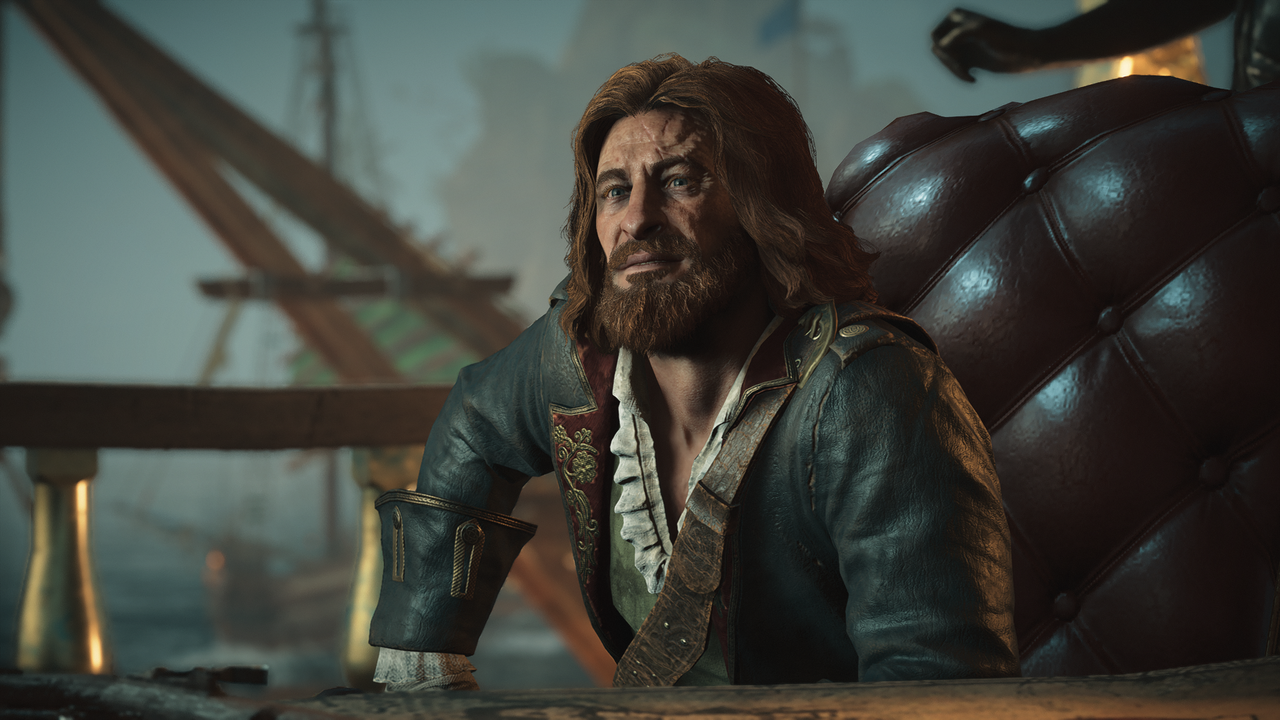
The director of *Assassin’s Creed III*, Alex Hutchinson, found it “bizarre” to watch Ubisoft’s long-awaited *Skull and Bones* struggle through its agonizingly slow development process. As someone who helped pioneer naval battles in the *Assassin’s Creed* series, which later became a cornerstone of hits like *Black Flag*, Hutchinson was left perplexed by how Ubisoft seemed to be rehashing similar mechanics 14 years after his team first introduced them. The game, initially pitched as a *Black Flag*-inspired expansion or MMO spin-off, eventually morphed into a live-service title with little direction and no clear vision. Despite being hyped as a “quadruple-A” project by Ubisoft CEO Yves Guillemot, *Skull and Bones* failed to deliver on its promises and was met with widespread disappointment.
The game’s troubled development highlights broader issues within Ubisoft during the mid-2010s. By 2013, when work on *Skull and Bones* began, Ubisoft Singapore had grown to over 300 employees but lacked the experience needed for such an ambitious project. Many developers from other studios treated their time in Singapore as a “holiday,” rather than a serious effort to build a sustainable development hub. This lack of expertise contributed to the game’s eventual missteps, including its reliance on overused mechanics and its inability to stand out in a crowded live-service market. Hutchinson pointed out that ideas like naval battles have a limited shelf life, and without fresh innovation, even tried-and-true concepts can feel stale after years.
The story of *Skull and Bones* serves as a cautionary tale for gaming enthusiasts and developers alike. It underscores the challenges of maintaining relevance in an ever-evolving industry, particularly when relying on formulaic gameplay and overambitious marketing. The game’s failure also raises questions about Ubisoft’s approach to global
Verticals
gamingpc
Originally published on PC Gamer on 2/24/2026