
The history of clocks is one of tyranny and revolution
Popular Science
by Julia DayeFebruary 20, 2026
AI-Generated Deep Dive Summary
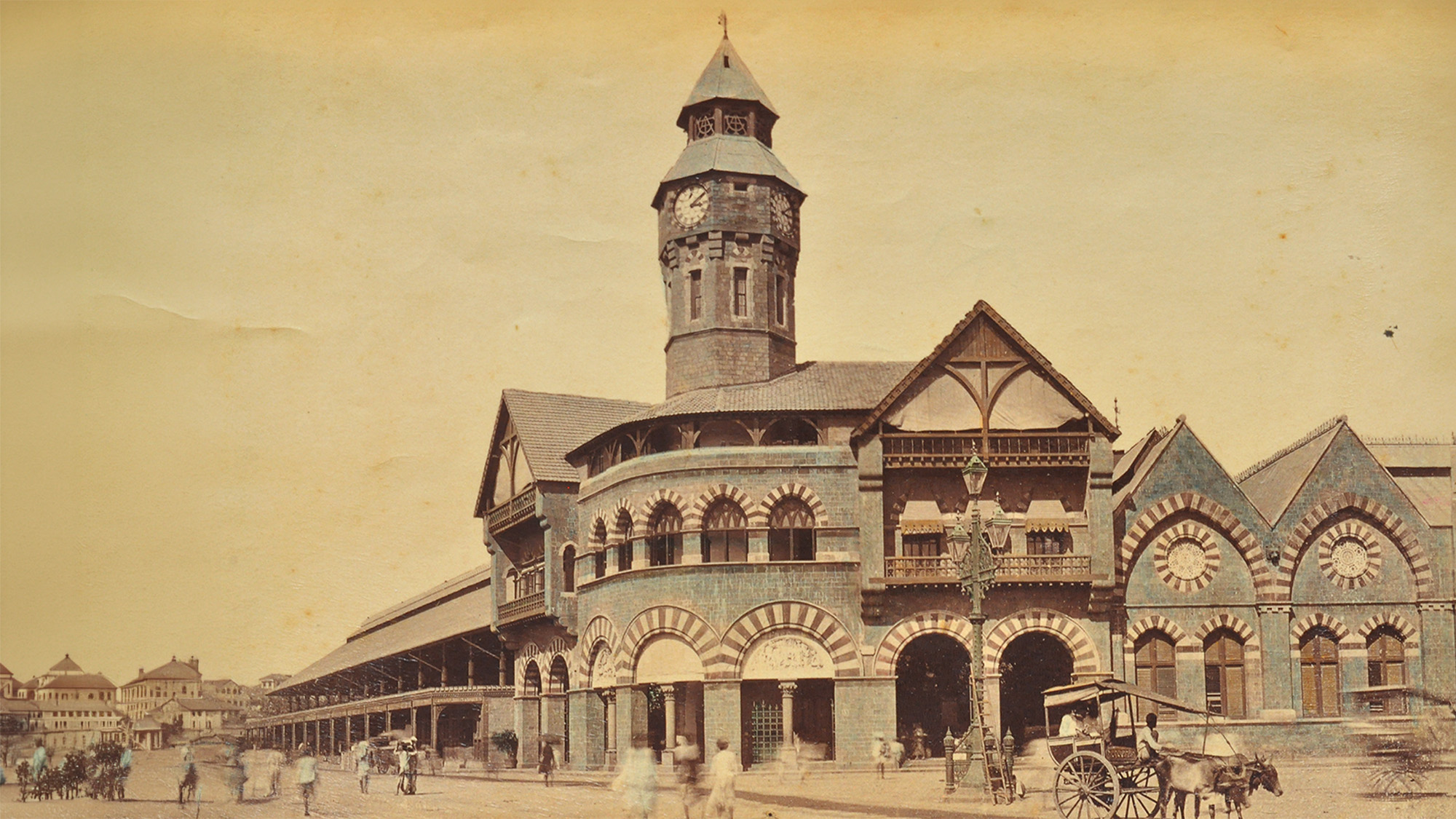
The history of clocks reveals a complex interplay between technology, power, and human psychology. From their origins in medieval Europe to their role in shaping modern timekeeping, mechanical clocks have been both tools of progress and symbols of oppression. In 1898, Indian protesters attacked a public clock tower in Mumbai, seeing it as a symbol of British colonial control over time—and by extension, life itself. This act highlights how clocks became deeply intertwined with issues of power, governance, and cultural identity.
Mechanical clocks first emerged in northern Italy during the 13th century, driven by innovations like the verge escapement mechanism. These early devices were designed to work with bell towers, automating the ringing that regulated daily life. By the 15th century, clocks had spread across Europe, adorning city centers and becoming central to urban timekeeping. Their adoption likely contributed to the rise of Western concepts of time discipline, as people began to synchronize their lives around standardized schedules.
The introduction of mechanical clocks fundamentally changed how humans experienced time. Prior to this, people relied on natural cues like sunlight or candle lengths for timekeeping. Clocks introduced a new level of precision and predictability, reshaping human behavior and psychology. As historian David Rooney explains, the clock became both a tool of liberation—freeing people from manual timekeeping—and a symbol of oppression as it was used to enforce colonial rule.
The psychological impact of standardized time is profound. People began to internalize clock time, using their subjective perceptions of duration to align with external measurements. This shift likely influenced modern concepts of productivity and efficiency, shaping the way societies organize work, rest, and daily routines. The history of clocks reminds us that technology doesn’t just reflect culture—it actively shapes it.
Understanding this legacy matters for anyone interested in science, history, or human behavior. Clocks didn’t just measure time; they rewrote how humans experience it. Their story offers insights into the ways technology can both empower and constrain, reflecting the broader interplay between innovation and society. As we continue to navigate our increasingly timed world, the lessons of clock history remind us to think critically about the tools that shape our lives—and the power dynamics they often encode.
Verticals
sciencetech
Originally published on Popular Science on 2/20/2026