
The most British place on Earth is almost 13,000km from Britain
Sydney Morning Herald
by Craig TansleyFebruary 25, 2026
AI-Generated Deep Dive Summary
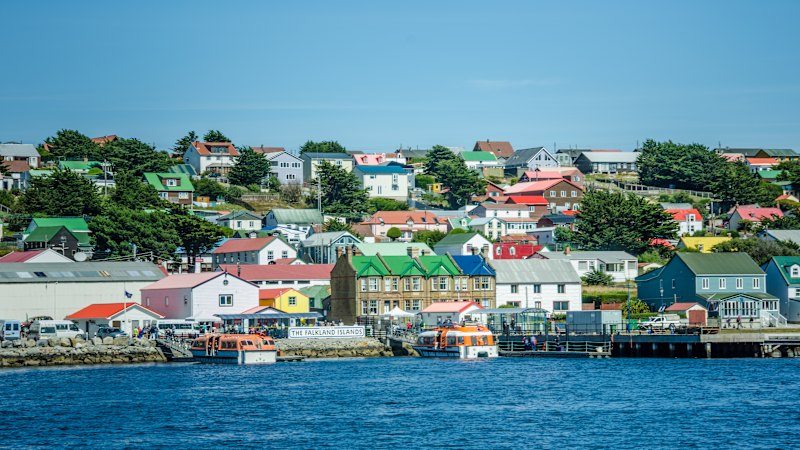
The Falkland Islands, a remote British territory located nearly 13,000 km from Britain, are often described as the most British place in the world. Despite their distance from the UK, the islands retain a strong connection to British culture and history. The article highlights the unique blend of British traditions and local quirks that make the Falklands stand out. From black pudding breakfasts and red phone boxes to Victorian architecture, the islands feel distinctly British amidst the vast, mostly Spanish-speaking South American continent.
The Falklands are a haven for adventure seekers and wildlife enthusiasts, with their rugged landscapes and abundant wildlife drawing only about 3,000 visitors annually. The islands’ capital, Stanley, offers a glimpse into this unique way of life, where residents proudly embrace their British heritage despite the isolation. Locals speak a dialect that mixes accents from across the UK, including West Country English, Scottish, and Welsh, with some influences from other English-speaking regions like Australia and New Zealand.
The islands’ remote location near Antarctica makes them a stopover for those heading to the frozen continent. The article describes the stark contrast between the British traditions of the Falklands and the surrounding Argentinean and South American cultures. This cultural disconnect adds to the islands’ intrigue, as they feel oddly misplaced in their geographic context.
For readers interested in history, culture, or travel, the Falkland Islands offer a fascinating case study of how British identity can thrive in one of the world’s most isolated corners. The islands’ unique blend of tradition and isolation makes them a compelling destination for those seeking to explore off-the-beaten-path locations while immersing themselves in British heritage.
Verticals
worldaustralia
Originally published on Sydney Morning Herald on 2/25/2026