
The reason behind Craig Tiley’s massive Australian Open success
Sydney Morning Herald
by Michael GleesonFebruary 25, 2026
AI-Generated Deep Dive Summary
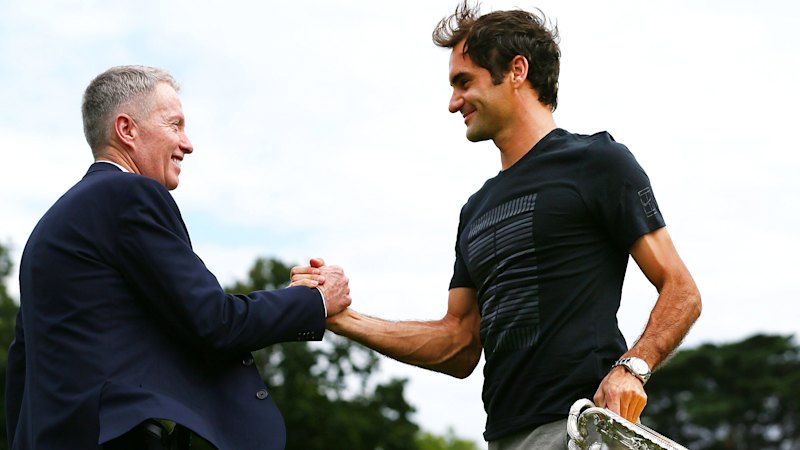
Craig Tiley’s leadership at the Australian Open has transformed the tournament into a globally influential event, reshaping Melbourne’s image and solidifying its status as one of the world’s premier sporting competitions. Under his tenure, the Grand Slam event moved beyond its reputation as the fourth and least prestigious major, resisting pressures to relocate while expanding its physical footprint in Melbourne and capturing a global audience. Tiley’s departure from Tennis Australia to lead tennis operations in the U.S. marks the end of an era, with his innovative approach to player-centric experiences and strategic vision driving the tournament’s success.
Key to Tiley’s success was his understanding that players are the heart of the sport. Drawing on his background as a former South African Army tennis player and college coach in the U.S., he prioritized enhancing the player experience, from prize money increases to state-of-the-art facilities. In 2007, total prizemoney was $20 million; by this year, it had surged to $111.5 million, with winners earning $4.15 million each. This focus on players’ needs, coupled with the tournament’s growing prestige, attracted top talent and elevated its status. As Roger Federer noted, Tiley made players feel valued and integral to the event’s ecosystem, fostering a sense of community and loyalty.
The Australian Open’s transformation also highlights the importance of storytelling in modern sports. By focusing on player narratives—whether through fly-on-the-wall documentaries or social media—the tournament created a deeper connection with fans. This shift not only boosted attendance but also elevated Melbourne as a global sports destination. Tiley’s legacy is evident in the tournament’s physical expansion, from additional roofed courts to improved amenities that cater to players’ every whim.
This story matters because it underscores the power of strategic leadership and player-centric innovation in reshaping sports events. Tiley’s success challenges traditional notions of Grand Slam hierarchy, proving that a tournament’s global reach can be redefined through bold vision and a focus on what truly resonates with athletes and fans alike. His achievements set a benchmark for how other sports organizations can adapt to changing fan expectations and compete on a global stage.
Verticals
worldaustralia
Originally published on Sydney Morning Herald on 2/25/2026