
These 70 dusty galaxies at the edge of our universe could rewrite our understanding of the cosmos
Space.com
by Robert Lea February 20, 2026
AI-Generated Deep Dive Summary
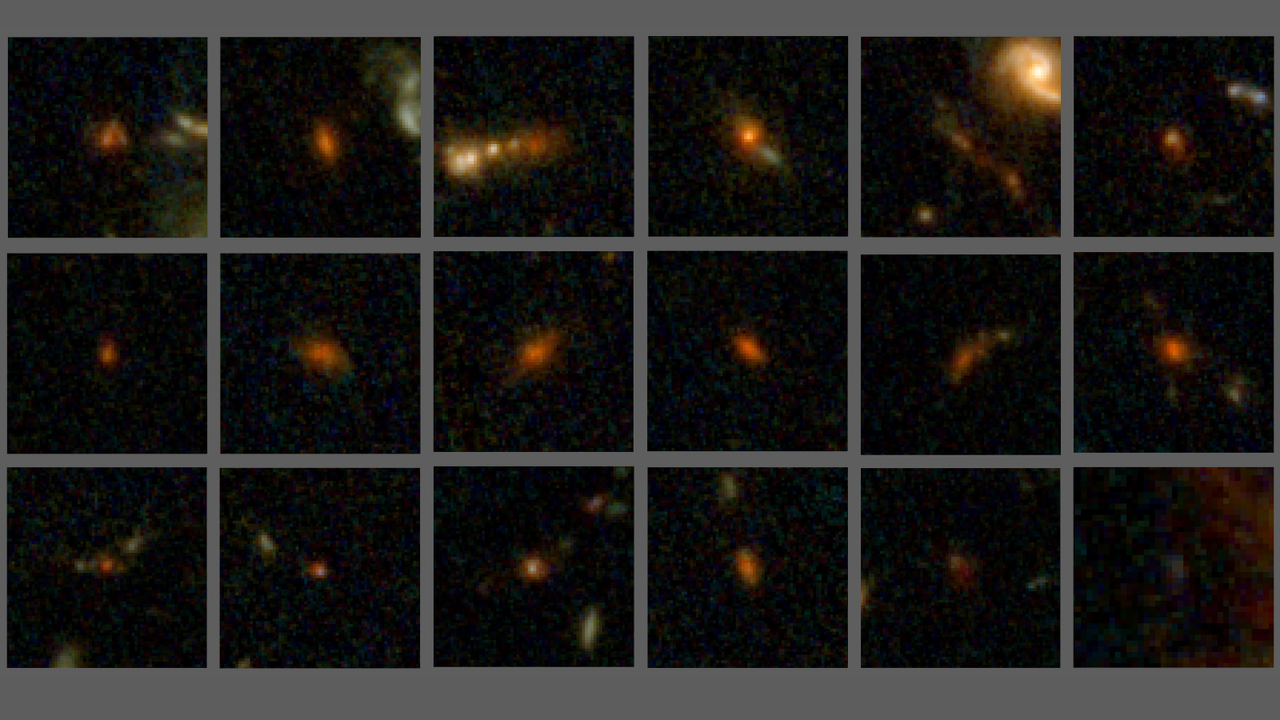
A groundbreaking discovery by astronomers using the James Webb Space Telescope (JWST) and the Atacama Large Millimeter/sub-millimeter Array (ALMA) has uncovered 70 dusty, star-forming galaxies near the edge of the universe. These galaxies, observed as they existed less than a billion years after the Big Bang, challenge existing models of cosmic evolution by showing an unexpected abundance of "metals"—elements heavier than hydrogen and helium—far earlier than previously thought.
The research began with ALMA identifying 400 bright galaxies, which were then narrowed down to 70 faint candidates using JWST. These galaxies date back as far as 500 million years after the Big Bang, revealing that star formation occurred much sooner than current theories predict. This finding not only reshapes our understanding of how galaxies evolve but also links these distant objects to two other types: extremely bright, star-forming galaxies and older, "dead" galaxies that no longer produce stars. The study suggests a potential lifecycle for galaxies, from young and active to old and quiescent.
This discovery implies a missing piece in our knowledge of cosmic history. If these three galaxy populations are connected, it indicates that star formation and metal distribution must have started earlier than previously believed. This breakthrough could redefine how we view the early universe's evolution and the processes that shaped galaxies over time. For space enthusiasts, this research offers new insights into the universe's origins and paves the way for further exploration of its mysteries.
Verticals
spacescience
Originally published on Space.com on 2/20/2026