
‘These are preventable deaths’: 40 Victorians suing hospitals over the loss of their loved ones
Sydney Morning Herald
by Henrietta CookFebruary 22, 2026
AI-Generated Deep Dive Summary
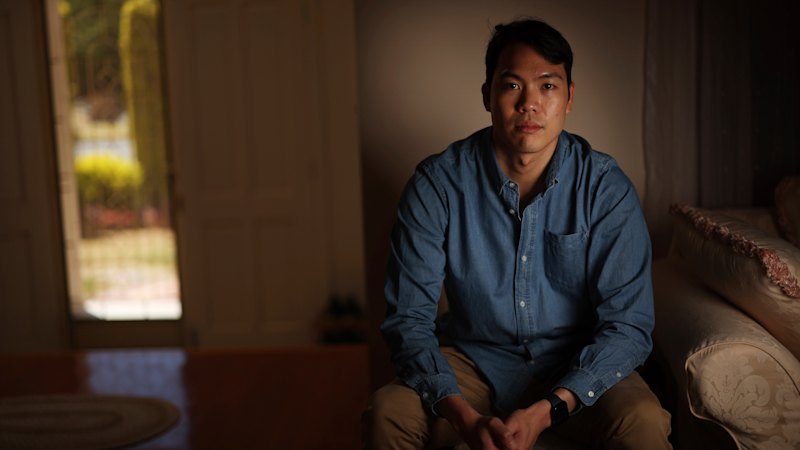
At least 40 Victorians are preparing to sue hospitals over the preventable deaths of loved ones who died by suicide after being discharged too early from mental health units. Cases like that of Richard Ang, a patient deemed at high risk of suicide just hours before his discharge, highlight a concerning pattern where individuals are sent home despite clear warning signs. These incidents have sparked calls for increased mental health resources, including more beds, staff, and community support services.
The situation has gained attention due to cases like Martin Ang’s father, Richard, who died by suicide less than two days after being discharged from Maroondah Hospital. Despite clinicians noting his high risk of suicide in hospital records, a psychiatrist revoked the treatment order holding him in care. This decision left Richard in a critical state, and he was found dead just 48 hours later.
Daniel Opare, a medical law expert at Shine Lawyers, is representing dozens of families who have lost loved ones under similar circumstances. He describes these deaths as part of a larger pattern where patients seeking help are turned away or discharged prematurely. Clinicians face immense pressure to free up beds, often prioritizing system efficiency over patient welfare.
Experts like Professor Patrick McGorry, director of Orygen and a leading mental health advocate, have warned that patients are being discharged too early from mental health units. He compares current practices to the 1980s, when acute episodes were managed with longer hospital stays. Today, many individuals receive only brief care before being sent home, leaving them vulnerable to fatal outcomes.
These preventable deaths underscore a systemic failure in mental health care. While the Victorian government has invested over $223 million in suicide prevention initiatives, more funding and reforms are needed to address the ongoing crisis. Advocates emphasize the importance of expert panels to review discharge decisions and ensure patient safety. For families like Martin Ang’s, the loss of loved ones is a tragic reminder of the urgent need for change in mental health care delivery.
Verticals
worldaustralia
Originally published on Sydney Morning Herald on 2/22/2026