
'They bombed our civilian compatriots': 'Dozens' killed after Pakistan conducts airstrikes in Afghanistan
Times of India
by TOI WORLD DESKFebruary 22, 2026
AI-Generated Deep Dive Summary
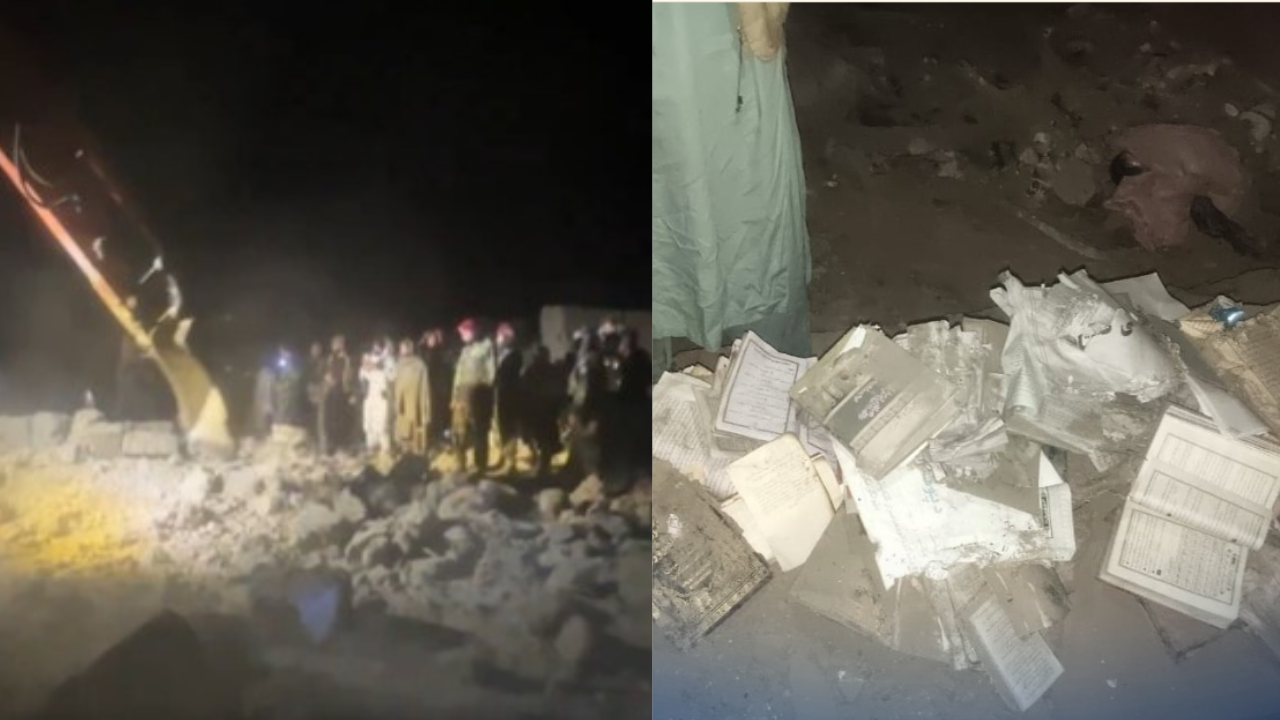
Afghanistan reported that "dozens" of civilians were killed and wounded after Pakistan carried out airstrikes in eastern border provinces, marking one of the deadliest escalations between the two nations. The strikes targeted Nangarhar and Paktika provinces, with particularly devastating incidents including the bombing of a civilian house in Behsud district, which left 23 members of a single family dead. Additionally, a religious seminary in Bermal district was hit, further intensifying tensions.
Pakistan confirmed the cross-border operations, stating they were aimed at dismantling militant groups blamed for recent suicide attacks within its territory. The airstrikes targeted alleged camps and hideouts of groups like Fitna al Khwarij (FAK) and Daesh Khorasan Province (DKP), which Islamabad suspects are using Afghan soil to launch attacks. This move came in response to a series of attacks, including a suicide bombing in Bajaur district that killed 11 soldiers and a child, as well as another attack in Bannu district targeting a security convoy.
Islamabad's military warned it would not "exercise any restraint" in its operations, signaling escalating tensions with Kabul. Pakistan's information minister accused Tehrik-e-Taliban Pakistan (TTP) of orchestrating the attacks under orders from Afghan-based leaders. Despite repeated urging by Islamabad for actionable steps to prevent such groups from operating on Afghan soil, little progress has been made.
The conflict reflects growing animosity between Pakistan and Afghanistan, which began escalating in October following deadly border clashes. The situation is further complicated by accusations from both sides and the involvement of international stakeholders under the Doha Agreement. As tensions rise, the potential for further escalations looms large, threatening regional stability and efforts to restore peace in the region.
This development underscores the fragile security dynamics in South Asia and highlights the challenges of combating terrorism across borders. The situation is closely monitored by the international community, which is urged to push Afghan authorities to honor commitments aimed at preventing cross-border attacks.
Verticals
worldasia
Originally published on Times of India on 2/22/2026