
‘They do listen sometimes’: Malaysians cheer US U-turn on controversial envoy
South China Morning Post
by Iman Muttaqin YusofFebruary 25, 2026
AI-Generated Deep Dive Summary
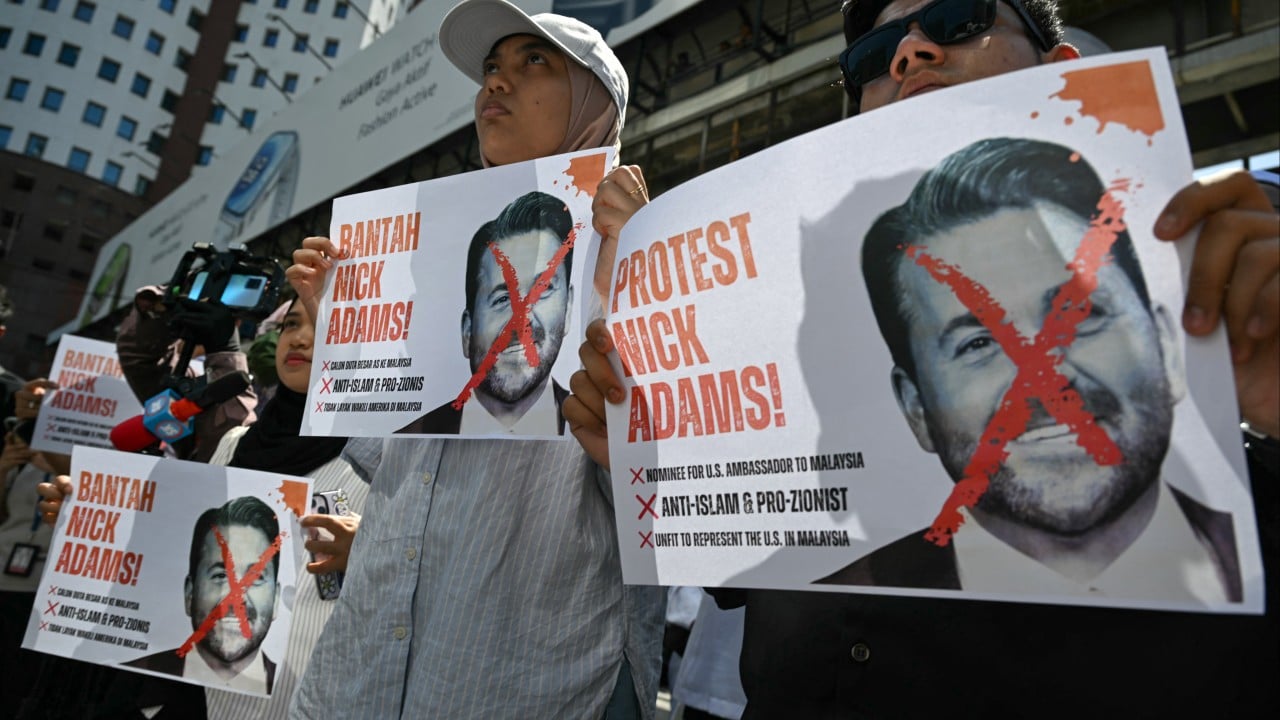
The United States' decision to withdraw Nick Adams' nomination as ambassador to Malaysia has sparked widespread relief and celebration in the country. Known for his controversial remarks and self-proclaimed status as an "alpha male," Adams had drawn significant backlash from Malaysians since his nomination by President Donald Trump in 2019. His comments, including boasts about eating rare steaks and reading the Bible daily, were seen as disrespectful to Malaysian culture and values. The final rejection of his appointment by the U.S. Senate, under a little-known rule allowing the president to withdraw nominations, came after months of public protests and pressure from Malaysian officials and citizens.
Adams himself responded to the news with a surprising claim, stating he had been "promoted" rather than rejected. This twist added fuel to an already heated situation, with many questioning his intentions and credibility. The rejection of his nomination marked a rare instance where U.S. foreign policy decisions were visibly influenced by public sentiment in another country. The move was widely seen as a victory for Malaysian diplomacy and a testament to the growing assertiveness of Southeast Asian nations in shaping their relationships with Western powers.
The case highlights the evolving dynamics between the United States and Malaysia, particularly under the Trump administration, which often prioritized ideological over strategic considerations. It also underscores the importance of cultural sensitivity in international relations, as even high-ranking envoys can face significant backlash if perceived as out of touch or insensitive. For readers interested in global politics, this story offers insight into how public pressure and diplomatic pushback can influence U.S. foreign policy decisions, particularly in regions where alliances are increasingly negotiated rather than assumed.
Verticals
worldasia
Originally published on South China Morning Post on 2/25/2026